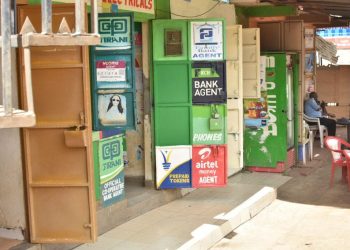

Amid internet shutdowns, Uganda faces unclear disruptions with mobile banking, messaging platforms, and a lack of real-time service transparency.
After the re-election of President Yoweri Museveni on January 17, 2026, Uganda began restoring internet access in phases, marking the end of a 5-day government-imposed internet blackout. While general connectivity returned, many Ugandans were still unable to access social media and messaging platforms, and some digital services like mobile banking experienced disruptions. The ambiguity surrounding these service disruptions pointed to broader issues of digital transparency and the fragility of the country’s digital infrastructure.
The Confusion: Technical Issues or National Restrictions?
As internet access began to return, many users struggled to determine the cause of ongoing disruptions. Initial reports indicated potential technical issues, but it was soon revealed that services such as mobile money and certain digital platforms were under a directive from the Uganda Communications Commission (UCC), limiting their availability. This raised questions about whether the disruptions were the result of localized technical faults, personal connectivity problems, or government-mandated restrictions.
For many, understanding the true cause of the disruptions was difficult. The lack of clear communication about which services were impacted and why left many citizens uncertain about whether the issues were due to personal or national issues.
A Lack of Digital Transparency
Platforms such as NetBlocks and Cloudflare’s Radar provide global internet connectivity metrics, but these services aren’t particularly useful for tracking real-time service-specific disruptions in countries like Uganda. NetBlocks, for instance, monitors internet shutdowns but doesn’t offer real-time public access to its dashboard, making it difficult for users to understand the specifics of the outage or restoration progress.
Similarly, Cloudflare’s Radar and IODA provide general summaries of internet traffic but don’t offer service-specific details. For the average Ugandan user, this lack of transparency makes it challenging to distinguish between a localized service issue and a national restriction on connectivity, particularly for high-traffic platforms like Facebook.
The Fragility of Digital Ecosystems
The internet shutdown also highlighted how vulnerable some digital economies can be to large-scale disruptions. While shutting down services can happen almost instantaneously, the process of restoring them is rarely seamless. Services like mobile banking and digital document platforms that rely on interconnected systems require careful checks to ensure proper functionality post-outage.
For countries with economies heavily reliant on online services, such as mobile banking and communication platforms, resilient infrastructure is crucial. Preparing for outages and ensuring a smooth recovery process from internet disruptions is as important as ensuring these systems remain operational during normal times.
The Need for Clearer Communication and Better Tools
Uganda’s recent experience underscores the importance of clear communication and accessible tools for tracking the status of digital services during internet shutdowns. As internet restrictions become a more common tool for governments in many parts of the world, the need for transparent, real-time information on affected services is critical for users who depend on these platforms for both business and personal purposes.
The digital ecosystem in Uganda and other countries needs to evolve in a way that promotes resilience during outages and transparency in restoration efforts. Developing public-facing tools and providing timely updates would significantly improve the user experience, ensuring that individuals are better informed about disruptions, whether they are technical or politically motivated.