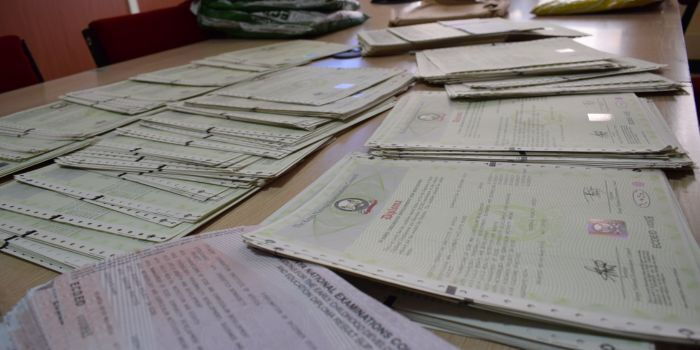
The Kenya National Examinations Council has introduced a major digital shift through the KNEC e-Certificate Portal, a platform that allows eligible candidates to access and download verifiable digital certificates online.
The system is designed to reduce the long process many Kenyans previously faced when replacing lost academic certificates, verifying examination records or visiting KNEC offices for manual assistance.
Through the new platform, applicants whose certificate records are available in the KNEC database can create an account, verify their identity, pay the required fee and download a digital certificate in PDF format.
For thousands of former candidates who lost their Kenya Certificate of Secondary Education certificates, the move offers a faster, safer and more convenient way to access official academic documents.
What Is the KNEC e-Certificate Portal?
The KNEC e-Certificate Portal is an online platform created to help candidates access digital versions of their examination certificates.
Instead of travelling to KNEC offices or returning to former schools, eligible users can complete the process online. The platform allows applicants to register, confirm their identity, submit examination details, make payment and download a verifiable certificate.
The digital certificate is issued in Portable Document Format and includes security features that allow employers, universities and other institutions to confirm whether the document is genuine.
This is part of a wider effort to modernise public services in Kenya and make academic certificate verification faster, more transparent and less vulnerable to fraud.
Who Can Use the KNEC e-Certificate Portal?
The platform is available to candidates whose certificate records are already captured in the KNEC database.
According to the details provided in the KNEC user guide, the platform covers records from 1989 to 2025, subject to successful identity and examination record verification.
Applicants are required to provide accurate personal details and examination information. This includes the examination index number, examination year and examination type.
Kenyan applicants must also provide National Identity details, which are checked automatically through the Integrated Population Registration System.
How to Register on the KNEC e-Certificate Portal
Applicants begin by visiting the KNEC e-Certificate Portal and creating an account using a valid email address.
After registration, users are required to complete their personal profile. This step is important because the details provided must match official identification and examination records.
Kenyan citizens are required to provide their National Identity information. The system then verifies the details through the Integrated Population Registration System.
Once the identity verification process is successful, applicants can proceed to enter their examination details.
How to Download a Digital KCSE Certificate Online
After creating an account and verifying identity, the applicant must enter the required examination information.
This includes the examination index number, the type of examination and the year the candidate sat for the examination.
Where the information matches KNEC records, the applicant is prompted to pay the certificate generation fee.
Once payment is confirmed, the digital certificate becomes available for download in PDF format.
This makes the process easier for former students who may have lost their original certificate, misplaced it during relocation or need a verified copy for work, education or immigration-related applications.
KNEC Digital Certificate Fee
Applicants are required to pay a certificate generation fee of Ksh1,200.
The amount is subject to VAT and applicable eCitizen transaction charges. Payment is made through the available payment options provided on the platform.
After successful payment, the system processes the request and allows the applicant to download the certificate.
How KNEC Digital Certificate Verification Works
Each digital certificate issued through the platform carries a blockchain verification hash.
This security feature helps institutions confirm that the certificate is authentic and has not been altered.
Employers, universities, government agencies and professional bodies can use the verification system to check academic documents submitted by applicants.
This is especially important in recruitment, admissions and professional licensing, where fake academic papers have been a long-running concern.
Organisations Can Verify Certificates Online
KNEC has also introduced a separate verification portal for organisations.
This service is meant for universities, employers, government agencies, professional bodies and other institutions that need to verify academic certificates.
Instead of relying on manual confirmation, organisations can use the portal to verify certificate details digitally.
For institutions handling many applications, the system supports bulk verification of up to 1,000 certificates in one request. This is done by uploading a CSV file and the relevant certificate documents.
The feature is expected to help large employers, universities and public agencies save time during recruitment, admissions and compliance checks.
Why the KNEC e-Certificate Portal Matters
The new digital certificate platform is a major improvement for candidates and institutions.
For applicants, it reduces the need to travel, queue or visit former schools. A process that once required physical follow-up can now be completed online.
For employers and universities, the platform makes academic verification faster and more reliable. This can help reduce delays in hiring, admissions and background checks.
For KNEC, the system strengthens document security and reduces the risks associated with forged or altered certificates.
Benefits for Former Students
The biggest beneficiaries are former students who have lost or damaged their certificates.
In the past, replacing or certifying academic records could be stressful, especially for candidates who completed school many years ago.
The new portal gives such candidates a more direct way to access their records, provided their details are available in the KNEC database and can be verified.
The digital certificate can be downloaded and used for official purposes where accepted by the receiving institution.
Important Details Applicants Should Check
Before using the platform, applicants should ensure they have a working email address, correct National ID details, accurate examination index number and the correct year of examination.
Any mismatch between personal details and examination records may delay or prevent successful verification.
Applicants should also confirm the current examination categories available on the portal before making an application.
Where a certificate category is not yet active, users may need to wait for KNEC to roll out support for that examination type.
Final Word
The KNEC e-Certificate Portal marks an important step in the digitisation of academic records in Kenya.
By allowing candidates to verify their identity, pay online and download a secure digital certificate, the platform offers a faster and more convenient way to access important education documents.
It also gives employers, universities and government agencies a stronger tool for verifying academic qualifications and reducing certificate fraud.
For former students who have lost their certificates, the new platform provides a practical solution that can save time, reduce paperwork and make official certificate access easier.