Musk’s lawsuit against OpenAI and Microsoft raises crucial questions about control, profit, and the future of AI.
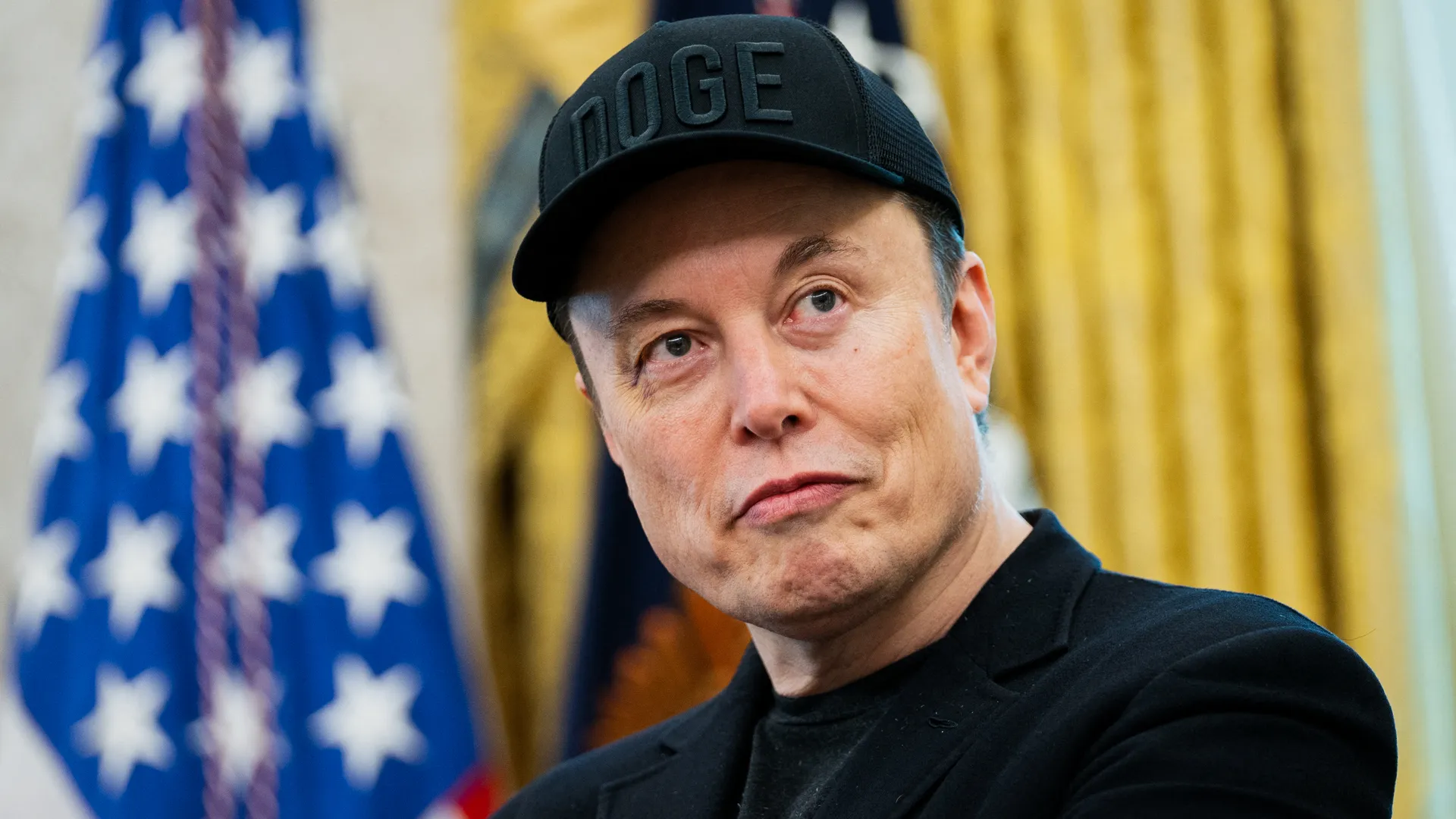
Elon Musk is back in the courtroom, but this time, it’s not about a SpaceX launch or Tesla’s latest innovation—it’s about a $134 billion lawsuit aimed at OpenAI and Microsoft. Musk, who was one of the co-founders of OpenAI, is claiming the tech giants unfairly benefited from his early contributions to AI development. The lawsuit is about more than just a massive payout—it’s about control, power, and the future of artificial intelligence (AI).
What’s the Lawsuit Really About?
Musk co-founded OpenAI in 2015 as a nonprofit with the goal of making AI accessible and safe. However, over time, OpenAI evolved into a commercial entity, partnering with Microsoft, which invested billions and integrated OpenAI’s technology into its products like Windows, Office, and Azure.
Musk claims he played a significant role in the development of OpenAI, and as such, he deserves a portion of the profits generated by the company, especially now that it has become a commercial powerhouse. However, OpenAI and Microsoft argue that Musk’s claims are baseless and politically motivated, as Musk left the company voluntarily and does not hold any ownership stake that justifies his demands.
The lawsuit is set to go to trial, and it has the tech world on edge.
Why the $134 Billion Is Not the Point
While the $134 billion figure has grabbed headlines, Musk’s true goal might not be the money—it’s about control. If Musk wins, it could set a dangerous precedent, allowing early backers or founders to come back years later and claim a share of the success, even if they’ve walked away from the company.
This case is also about the geopolitical power and economic influence that AI holds. AI isn’t just a tech product—it’s becoming an infrastructure that powers economies, politics, and societies. Whoever controls it controls the future.
The Competitive Angle: Musk vs. OpenAI
The lawsuit is not just a legal battle; it’s also a competitive strategy. Musk now runs xAI, the company behind Grok, which competes directly with OpenAI’s ChatGPT. By challenging OpenAI in court, Musk puts his rivals on the defensive while drawing attention to his own AI project. It’s clear that Grok is a direct competitor to OpenAI, and Musk is using this lawsuit as a way to make a statement and gain leverage in the AI race.
Who Owns the Future of AI?
At its core, Musk’s lawsuit asks a fundamental question: Who owns the future of AI? Should AI serve the public interest, as OpenAI originally promised, or should it be controlled by a small number of powerful companies? The outcome of this case could reshape how tech companies are built, how they evolve, and how they handle public benefit vs. profit.
OpenAI’s transition from nonprofit to for-profit has raised eyebrows, especially among its co-founders, including Musk, who now wants to hold the company accountable for straying from its original mission.
What’s at Stake for AI’s Future?
The battle is not just about who gets paid—it’s about who controls AI’s direction. If Musk wins, it could change the way partnerships and investments in AI are structured, making it riskier for new startups and investors. On the other hand, if Musk loses, OpenAI and Microsoft will solidify their dominance in the AI field, pushing smaller companies further out and entrenching the influence of the big players.