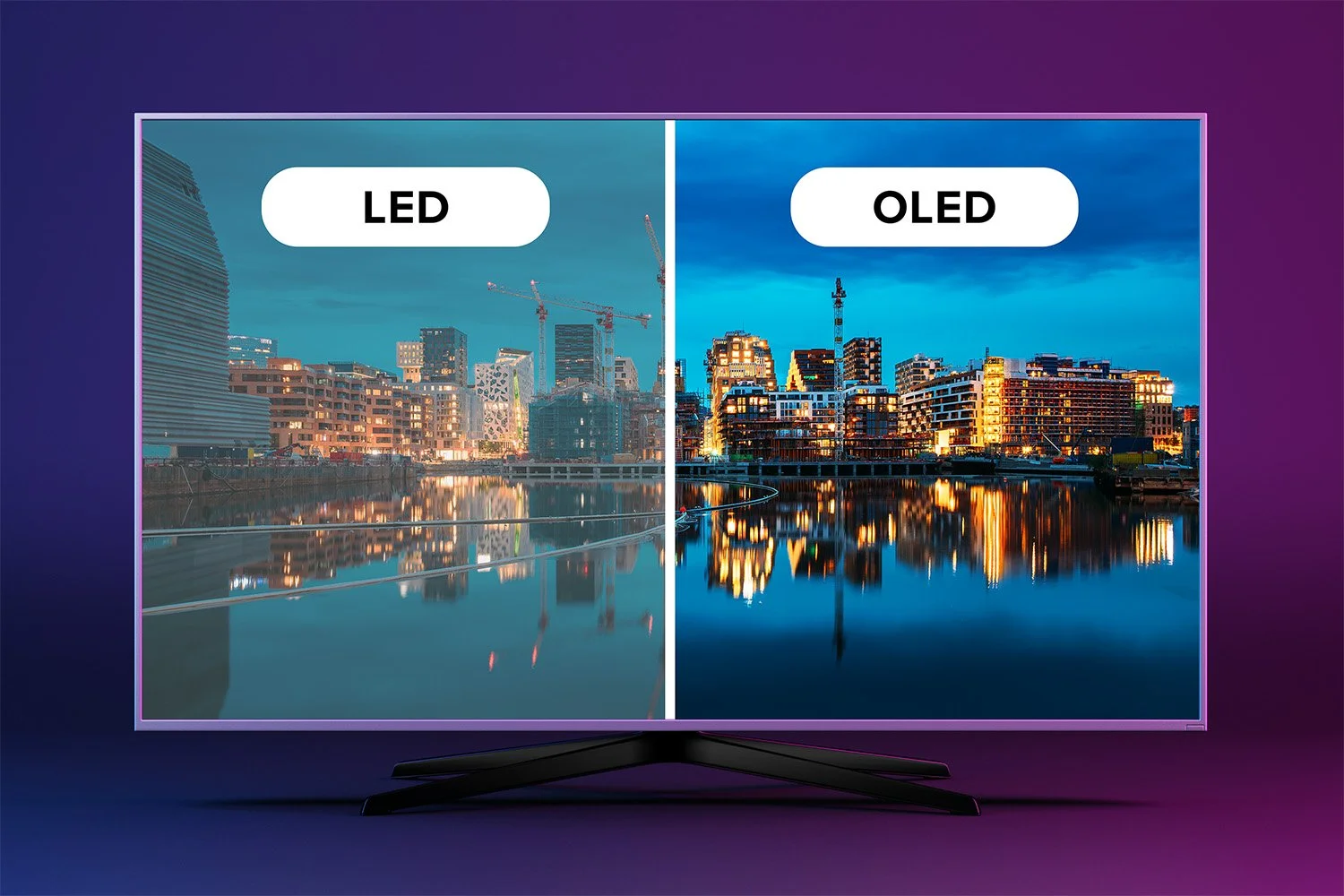
Televisions have evolved from bulky CRT models to sleek, ultra-thin flat-panels, with innovations like 4K, 8K, and OLED revolutionizing home entertainment.
Television technology has undergone a remarkable transformation, evolving from the bulky tube-style CRT models of the past to the ultra-thin, sleek flat-panel displays we see today. The leap in design and functionality has allowed televisions to become more than just entertainment devices; they’ve become integral parts of home décor, often mounted on walls like works of art.
Two major technologies dominate the modern television market: LCD and OLED. Both have evolved into various subtypes to enhance performance. LCD technology, for example, includes LED and mini-LED variations, which offer improvements in brightness and color accuracy. OLED, on the other hand, has advanced into W-OLED (white OLED) and QD-OLED (quantum dot OLED) technologies, offering deeper blacks and more vibrant colors, setting it apart as a premium choice for home viewing.
Screen sizes have also dramatically increased. Where 32-inch and 40-inch screens were once considered large, today, sizes like 85 inches are common, with some models reaching up to 98 inches. This shift in screen size has blurred the lines between televisions and projectors, which traditionally offered larger-than-life images for home theaters. Modern televisions now offer an immersive viewing experience, even at larger-than-average sizes, making them a viable alternative to projectors for big-screen viewing.
Another significant development in television technology is the integration of Wi-Fi and smart TV interfaces. With these features, users can easily access streaming services like Netflix, Amazon Prime, and YouTube, turning the TV into a hub for on-demand entertainment. Smart TVs also provide access to a range of apps, turning your television into an all-in-one device for entertainment, social media, and even productivity.
Gaming has also become one of the primary uses for televisions, with many new models offering support for 4K resolution at 120Hz. This is a major advantage for next-gen gaming consoles like the PlayStation 5 and Xbox Series X, both of which require high-refresh-rate displays to offer the smoothest and most realistic gaming experience. The combination of 4K visuals and 120Hz refresh rates means that gamers can enjoy not just sharp, detailed images, but also ultra-smooth action during gameplay.
While 8K televisions are now available, they remain a niche product due to the limited content available in that resolution. 4K, on the other hand, has become the standard for modern televisions and is supported by most streaming services, including Netflix and Amazon Prime Video. With more 4K content becoming available every day, 4K televisions are becoming increasingly popular and accessible for consumers seeking a high-quality viewing experience.
In summary, television technology has come a long way in a short time. From large, boxy CRT models to ultra-thin flat-panels with 4K and OLED capabilities, today’s TVs offer stunning visuals, superior performance, and smart features that have redefined how we watch content, play games, and interact with technology at home.