What Is an IP Rating? Waterproof and Dust Ratings Explained
IP rating is one of the most important durability terms to check before buying a phone, smartwatch, speaker, camera, power bank or any modern electronic device. You may see labels such as IP67, IP68 or IPX4 on product pages, but many people do not know what those numbers actually mean.
IP stands for Ingress Protection. It is a standard rating system used to describe how well a device enclosure protects against dust, solid objects and water. The system is defined under IEC 60529, a standard published by the International Electrotechnical Commission for classifying protection levels in electrical and electronic enclosures. The IEC says the standard rates resistance against intrusion from dust and liquids.
In simple terms, an IP rating tells you how protected a device is from things getting inside it.
How an IP Rating Works
An IP rating usually begins with the letters IP, followed by two characters.
The first digit shows protection against solid particles such as dust, sand, fingers, tools and small objects.
The second digit shows protection against liquids, mainly water.
For example, IP67 means the device is dust-tight and can withstand temporary immersion in water up to a defined test level. IP68 means it is also dust-tight, but the water immersion depth and duration are set by the manufacturer, so you should always check the product’s official specifications.
First Digit: Protection Against Dust and Solids
The first digit in an IP rating explains how well the device is protected against solid objects.
| Digit | What It Blocks | What It Means |
|---|---|---|
| 0 | Nothing | No protection against solids |
| 1 | Objects larger than 50 mm | Protects against large body parts such as a hand |
| 2 | Objects larger than 12.5 mm | Protects against fingers or similar objects |
| 3 | Objects larger than 2.5 mm | Protects against tools and thick wires |
| 4 | Objects larger than 1 mm | Protects against small wires, screws and similar objects |
| 5 | Dust protected | Dust may enter, but not enough to damage normal operation |
| 6 | Dust tight | Complete protection against dust |
For phones and wearables, the most desirable first digit is 6. That means the device is fully protected against dust entry under the test conditions.
Second Digit: Protection Against Water
The second digit explains how well the device resists water.
| Digit | What It Withstands | Real-World Meaning |
| 0 | Nothing | No water protection |
| 1 | Vertical dripping water | Light vertical drips |
| 2 | Dripping water at a 15-degree tilt | Light rain when the device is slightly angled |
| 3 | Spraying water up to 60 degrees | Light spray or mist |
| 4 | Splashes from any direction | Everyday splashes |
| 5 | Low-pressure water jets | Light hose spray |
| 6 | Powerful water jets | Stronger water spray |
| 7 | Temporary immersion up to 1 metre | Brief drop in water, usually up to 30 minutes |
| 8 | Continuous immersion beyond 1 metre | Depth and time set by the manufacturer |
| 9K | Hot, high-pressure water jets | Industrial cleaning environments |
This is where many buyers get confused. A higher number usually means stronger liquid protection, but it does not always mean the device passed every lower water test. For example, immersion protection and water-jet protection are different tests. A device rated for submersion is not automatically safe against strong water jets unless the manufacturer specifically claims that protection.
What IP67 Means
IP67 is one of the most common ratings on modern phones, smartwatches and outdoor electronics.
The 6 means the device is dust-tight.
The 7 means it can survive temporary immersion in water under the specified test conditions, commonly up to 1 metre for about 30 minutes.
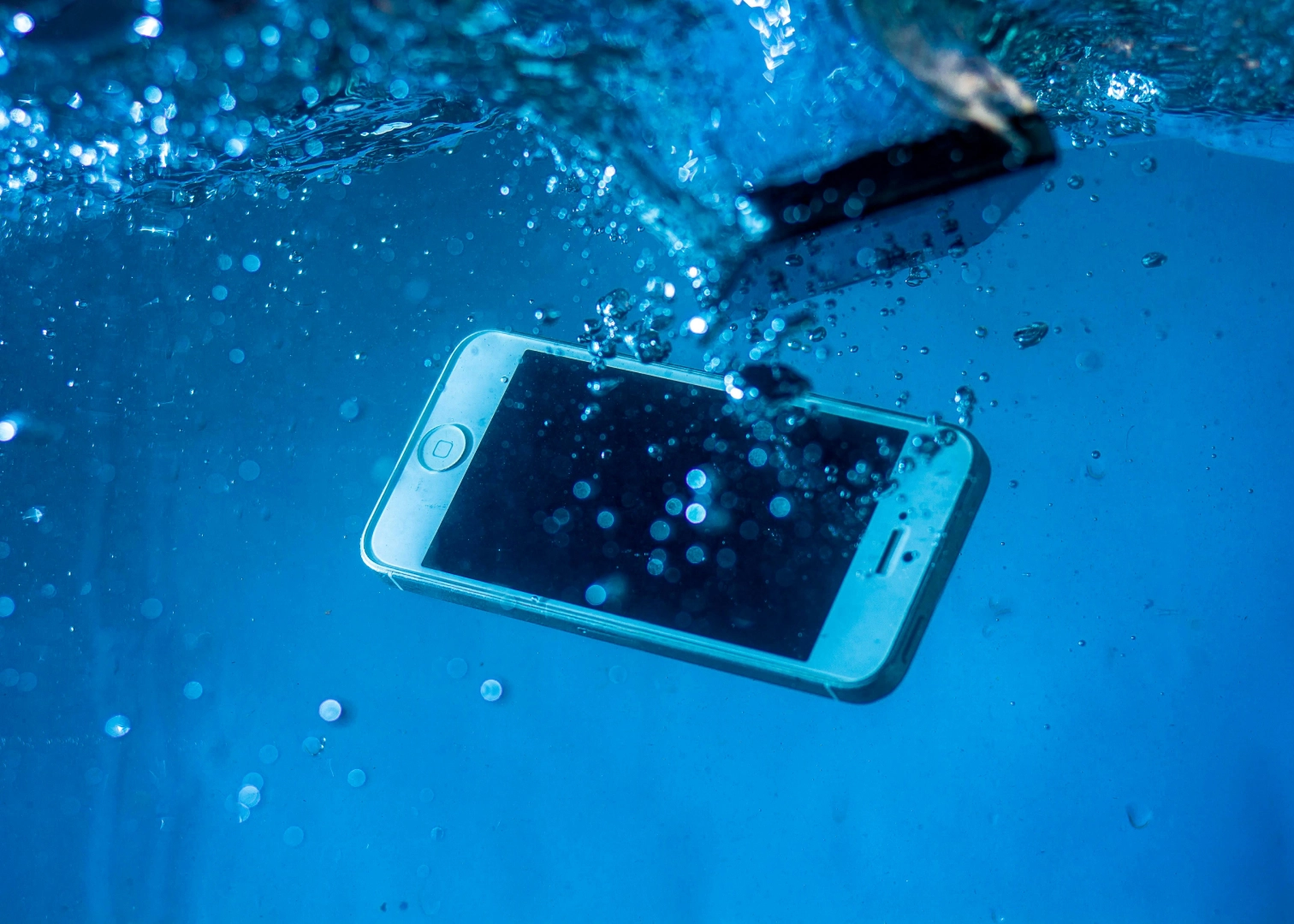
In normal language, IP67 means the device should survive dust exposure and a short accidental drop into water. It does not mean you should swim with it, shower with it or expose it to salt water, soap or chemicals.
What IP68 Means
IP68 is common on premium smartphones and higher-end devices.
The 6 means the device is dust-tight.
The 8 means it can withstand immersion beyond 1 metre, but the exact depth and duration depend on the manufacturer’s test claim.
This is important because one IP68 phone may be tested at 1.5 metres for 30 minutes, while another may be tested at a deeper level or for a longer period. Always check the official product page before assuming how much water the device can handle.
What IPX4 Means
Sometimes you will see an X in an IP rating, such as IPX4.
The X does not automatically mean the device has no dust protection. It simply means the manufacturer has not provided an official tested rating for that category.
In IPX4, the liquid protection has been tested, but the dust protection has not been officially rated. The 4 means the device is protected against splashes of water from any direction.
This rating is common on earbuds, small speakers and fitness accessories that are designed to handle sweat or light rain.
Common IP Ratings and What They Mean
| Rating | Meaning | Common Use |
| IP44 | Protected against small objects and splashes | Outdoor lights, basic electronics |
| IP55 | Limited dust protection and low-pressure water jets | Outdoor enclosures, some speakers |
| IP67 | Dust-tight and temporary water immersion | Phones, watches, sensors |
| IP68 | Dust-tight and deeper or longer immersion | Premium phones, rugged devices |
| IP69K | Dust-tight and hot high-pressure water jets | Industrial machinery, food processing equipment |
Is IP Rating the Same as Waterproof?
No. An IP rating is not the same as saying a device is fully waterproof.
The word waterproof is often used loosely in marketing. It has no single meaning unless it is backed by a specific test rating. A product described as waterproof may only survive splashes, while another may survive temporary immersion.
An IP rating gives you a clearer number to compare. It tells you what kind of dust or water protection has been tested.
Why Your Device Can Still Get Water Damage
Even if a phone has a strong IP rating, it can still suffer water damage.
IP tests are usually performed on a new device in controlled laboratory conditions. Real life is different. A phone may have tiny cracks, worn seals, repaired parts or impact damage that weakens water resistance over time.
Heat, dust, drops, pressure, salt water, pool chemicals, soap and repeated exposure can also reduce protection. That is why many manufacturers do not cover liquid damage under standard warranty, even when a device has an IP rating.
What an IP Rating Does Not Cover
An IP rating does not measure everything.
It does not tell you how strong the device is after being dropped.
It does not prove the screen will not crack.
It does not guarantee protection against salt water, soap, alcohol, oil or chemicals.
It does not mean the device is safe for swimming, diving or showering.
It does not mean water resistance will last forever.
For impact protection, you need to look at separate durability tests or rugged-device certifications.
Final Word
An IP rating helps you understand how well a phone or electronic device is protected against dust and water. The first digit covers solids, while the second digit covers liquids.
IP67 means dust-tight protection and temporary water immersion. IP68 means dust-tight protection and stronger immersion resistance, but the exact water depth and duration depend on the manufacturer.
Before buying any device, check its IP rating carefully. It is one of the easiest ways to know whether a product can handle rain, splashes, dust, sand or accidental drops into water.