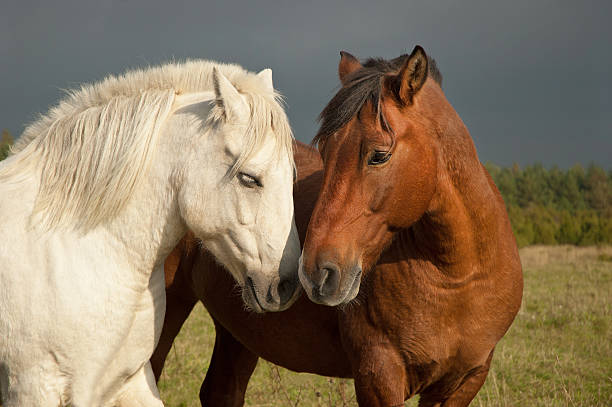
Learning how to introduce horses properly can make the process safer and less stressful for both animals. Although horses are social animals that often enjoy living alongside others, they do not automatically accept every new horse into their group. They need time to investigate one another, establish boundaries and develop a comfortable social relationship.
A careful introduction is especially important when bringing a new horse into an established herd. Horses communicate through posture, movement, vocal sounds and other forms of body language. During an initial meeting, they may sniff each other, move away, squeal or display other warning behaviors while determining how to interact. Some of these responses can be normal, but owners should remain alert to behavior that could result in injury.
Knowing how to introduce horses also means understanding the environment around them. A small enclosure, poor fencing, slippery ground or limited access to food and water can increase tension. Therefore, preparation should begin before the horses ever make direct contact. A spacious and secure area gives each horse room to move away and reduces the chance of one animal becoming trapped.
The process does not have to happen in a single day. In fact, gradual introductions can give horses more time to become familiar with one another. Starting with visual contact through a safe barrier allows them to observe and smell the other horse without the immediate pressure of direct interaction.
Owners should also consider each horse as an individual. Age, temperament, previous experiences, social history and health can all influence how an animal responds to a new companion. A horse that appears relaxed around other animals may adjust quickly, while a nervous or highly reactive horse may need a slower approach.
The objective is not to force two horses to become companions immediately. Instead, the aim is to create conditions in which they can become familiar with each other while reducing unnecessary stress and the possibility of injury.
Prepare a Safe Area Before Introducing Horses
The first step is to select an appropriate location. A large, secure paddock or enclosure is generally more suitable than a confined space because horses need room to move away from one another.
Before the introduction, inspect the area carefully. Make sure the fencing is secure and remove objects that could cause injury if a horse moves suddenly.
Consider the following:
- Use strong and secure fencing.
- Choose an area with sufficient space.
- Remove unnecessary equipment and obstacles.
- Check the ground for slippery or hazardous areas.
- Make sure gates can be operated safely.
Avoid placing unfamiliar horses in a location where either animal can become trapped in a corner or against a fence.
Let the Horses See Each Other First
Direct contact does not need to be the first stage of an introduction. Instead, place the horses in separate but neighboring areas where they can see one another safely.
This gives them time to observe the new horse without being forced into close contact. They may approach the dividing fence, move away, or simply continue with their normal activities.
During this stage, watch their reactions rather than trying to make them interact.
Look for:
- Relaxed movement
- Curiosity
- Repeated avoidance
- Excessive agitation
- Threatening body language
Allowing this stage to continue until both horses appear more settled can make the next step easier.
Allow Safe Investigation Through a Barrier
Horses rely heavily on their senses when investigating unfamiliar animals. Once they have become accustomed to seeing each other, they may begin approaching the barrier to investigate the other horse more closely.
Do not force either horse toward the fence. Instead, allow them to approach voluntarily.
Sniffing and brief vocalizations can occur during this stage. A horse may also move away after investigating its potential companion. Giving the animals control over the distance between them can help reduce pressure.
A secure barrier remains important because it prevents direct contact while allowing the horses to gather information about each other.
Introduce Horses Through Controlled Contact
When both animals appear reasonably settled, the next stage can involve a carefully managed direct introduction.
Choose a large, enclosed area with good footing and minimal hazards. Ideally, an experienced person should be present to monitor the interaction.
The horses may sniff each other, walk around one another or briefly display warning behaviors. These reactions can be part of establishing social boundaries.
However, do not assume every interaction is harmless. Pay close attention if either horse begins repeatedly charging, striking, biting or aggressively pursuing the other.
The introduction should be stopped if the situation becomes unsafe.
Give Horses Plenty of Space
Adequate space is one of the most important factors when introducing unfamiliar horses.
A horse may react defensively if another animal approaches too closely while there is nowhere to move. A spacious paddock gives each animal an opportunity to create distance.
During the first meetings, avoid crowded environments and narrow spaces.
Make sure:
- There is room to move away.
- Fences are secure.
- Gates are accessible.
- There are no sharp or dangerous objects.
- Other animals are not creating additional pressure.
More space does not guarantee a peaceful meeting, but it can reduce the risk of one horse being cornered.
Supervise the First Direct Meeting
Do not leave unfamiliar horses together without supervision during their first direct interaction.
Remain nearby and pay attention to their movements. Avoid unnecessarily interfering with normal communication, but be prepared to separate the animals if the situation becomes dangerous.
Important behaviors to monitor include:
- Repeated chasing
- Charging
- Biting attempts
- Striking
- Persistent kicking
- One horse repeatedly cornering another
Understanding equine body language can help an owner recognize when a situation is becoming more serious.
Manage Food, Water and Other Resources
Resources can become a source of competition when unfamiliar horses are placed together.
Food is particularly important. Avoid placing a single feed pile in a location where both horses must approach it at the same time.
Instead, provide adequate separation between feeding areas. Multiple water sources may also be useful, particularly when horses are beginning to share an environment.
Other resources to consider include:
- Shelter
- Hay
- Water
- Feeding areas
- Resting spaces
Reducing competition gives each horse more opportunity to access essential resources without unnecessary conflict.
Learn the Warning Signs of Aggression
Horse body language provides important information during an introduction.
Warning behaviors can include pinned ears, threatening movements, biting attempts, charging and repeated kicking. A horse may also show increased tension or repeatedly attempt to drive another animal away.
Not every warning behavior means that the horses cannot eventually live together. However, repeated or escalating aggression should be taken seriously.
If the interaction becomes dangerous, separate the horses and allow them to settle before considering another controlled introduction.
Consider Each Horse’s Temperament
There is no single introduction method that works identically for every horse.
Some horses are naturally more confident and social. Others may be cautious around unfamiliar animals. Previous experiences can also influence how a horse reacts.
Consider:
- Age
- Temperament
- Social history
- Previous herd experiences
- Current health
- Familiarity with other horses
A nervous horse may benefit from a slower introduction, while a confident horse may require careful monitoring if it becomes overly assertive.
The important point is to respond to the behavior you observe rather than following a rigid timetable.
Increase Time Together Gradually
If the first direct meetings remain manageable, gradually increase the amount of time the horses spend together.
There is no requirement to move immediately from a short meeting to full-time turnout. Shorter supervised interactions can provide useful opportunities to assess how the relationship develops.
Continue monitoring both horses as their interactions change.
A gradual approach can help owners identify problems before they become serious and determine whether additional separation or professional guidance is needed.
Continue Monitoring After They Meet
A successful first meeting does not necessarily mean the introduction is complete.
Horses can continue adjusting their relationship over the following days. Social positions may change, and competition for resources can reveal problems that were not obvious during the first encounter.
Monitor the horses for:
- Injuries
- Changes in eating or drinking
- Persistent avoidance
- Excessive stress
- Weight loss
- Repeated bullying
- Unusual behavior
If one horse consistently prevents another from accessing food, water or shelter, the arrangement may need to be changed.
Take Health Precautions With a New Horse
Behavior is only one consideration when adding a horse to an established group. Health management is also important.
A newly acquired horse may have been exposed to infectious diseases at its previous location. Depending on the circumstances, owners may need to review veterinary records and follow appropriate quarantine procedures before introducing the animal to established horses.
A veterinarian can provide guidance based on the horse’s health history and the circumstances of the move.
Useful precautions may include:
- Reviewing available health records
- Discussing health concerns with a veterinarian
- Following appropriate quarantine procedures
- Monitoring the new horse for signs of illness
- Completing recommended health checks
Good health management protects both the new arrival and the horses already on the property.
Get Professional Help When Needed
Some introductions require additional expertise.
If a horse has a history of serious aggression, repeated fighting or highly reactive behavior, an experienced equine professional can help develop a safer management plan.
Professional support may also be useful when an owner is uncertain about interpreting horse behavior.
Safety should take priority over completing the introduction quickly.
Be Patient With the Introduction Process
Introducing horses successfully can take time. Some animals may become comfortable with each other relatively quickly, while others need several controlled interactions before they can share space safely.
Patience allows owners to respond to the horses’ behavior instead of forcing the process according to an artificial deadline.
The goal is not to make horses become close companions immediately. A successful introduction means creating a situation in which the animals can establish a workable social relationship while minimizing stress, competition and injury.
By preparing the environment, starting with controlled visual contact, providing adequate space, supervising direct meetings and continuing to monitor the horses afterward, owners can give unfamiliar horses a better opportunity to adjust safely.
Also Read: Best Fertility Clinics in Kenya: Guide to Assisted Reproduction