Improve digestion naturally by making practical changes to the way you eat, drink, move and manage your daily routine. Digestive discomfort can show up in many ways, including bloating, excess gas, constipation, feeling overly full or general stomach discomfort. While occasional symptoms are common, consistent habits can support normal digestive function and help you understand what works best for your body.
The digestive system depends on several everyday factors working together. Food provides nutrients and fibre, fluids help maintain normal bowel function, while physical activity can encourage movement through the digestive tract. Therefore, improving digestion is not necessarily about finding one special food or supplement. Instead, it often starts with small changes that can be maintained over time.
For people dealing with occasional constipation or bloating, simple adjustments can make a meaningful difference. Increasing fibre gradually, drinking enough fluids, eating at a comfortable pace and staying physically active are among the approaches recommended by reputable health organizations. However, individual needs vary, and adding too much fibre too quickly can actually increase gas and bloating.
Why everyday habits matter for digestion
Digestion involves a complex process in which the body breaks down food, absorbs nutrients and moves waste through the digestive tract. Because of this, eating patterns, hydration, activity levels and even daily routines can influence how comfortable your digestive system feels.
Constipation, for example, can be associated with inadequate fibre, insufficient fluids, limited physical activity or regularly ignoring the urge to have a bowel movement. Certain medicines and underlying health conditions can also contribute, which is why persistent symptoms deserve attention.
The following habits can help support digestive health without relying on extreme diets or so-called detox products.
Eat more fibre, but increase it gradually
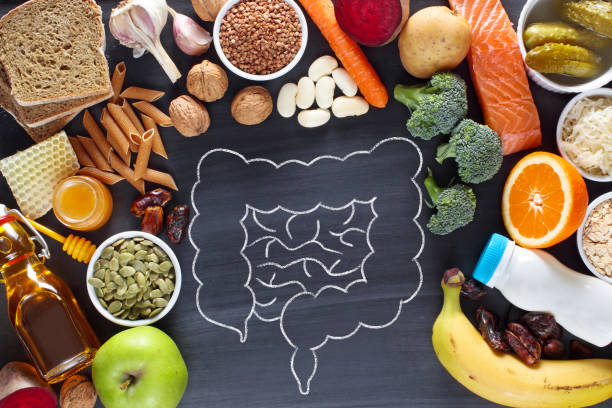
Fibre is one of the most important dietary components for maintaining regular bowel movements. It is found naturally in foods such as fruits, vegetables, beans, lentils, oats, whole grains, nuts and seeds.
However, suddenly adding large amounts of fibre can lead to gas, abdominal discomfort or bloating. A gradual increase gives the digestive system more time to adjust.
Try making small changes such as:
- Adding vegetables to meals
- Choosing whole-grain bread or cereals
- Eating fruit as a snack
- Including beans or lentils in meals
- Choosing oats or other whole grains
A varied diet can provide different types of fibre, which perform different functions in the digestive tract.
Drink enough water throughout the day
Hydration plays an important role in digestion. Water helps the body process food and can soften stool, while adequate fluids also help fibre work effectively.
Rather than focusing on a single universal water target, consider factors such as your activity level, environment and individual health needs. Hot weather and exercise can increase fluid requirements.
Making water your main drink is a simple place to start. If you have been advised to restrict fluids because of a medical condition, follow your healthcare professional’s guidance instead.
Slow down when eating
Eating quickly can make it harder to notice fullness and may also cause you to swallow more air. Taking smaller bites and chewing food thoroughly can make meals more comfortable.
Try putting your utensils down occasionally, taking smaller bites and giving yourself enough time to finish a meal without rushing.
This approach can also encourage more mindful eating because you have more opportunity to notice how different foods affect you.
Choose comfortable meal portions
Very large meals can leave some people feeling excessively full or bloated. If you regularly experience discomfort after large portions, consider eating moderate amounts and observing how your body responds.
The NHS recommends smaller, more frequent meals for people experiencing bloating, particularly instead of very large meals.
There is no single meal pattern that works for everyone. The goal is to find a routine that provides adequate nutrition while reducing unnecessary digestive discomfort.
Build meals around whole foods
A balanced diet can provide fibre and nutrients that support overall health. Fruits, vegetables, whole grains, legumes, nuts, seeds and appropriate protein sources can all contribute to a varied eating pattern.
At the same time, highly processed foods may contain relatively little fibre. If much of your diet consists of low-fibre processed foods, gradually replacing some of them with fibre-rich whole foods may support bowel regularity.
Rather than completely eliminating particular food groups, focus on variety and pay attention to how your body responds.
Stay physically active
Regular physical activity can support normal bowel function. It does not necessarily require an intense workout. Walking, household activity, cycling, stretching or other age-appropriate movement can help you stay active.
Physical activity is specifically included among lifestyle measures that may help relieve and prevent constipation.
If you spend much of the day sitting, adding short movement breaks can be a practical starting point.
Do not repeatedly ignore the urge to use the toilet
Your daily routine can influence bowel habits. Regularly ignoring the urge to have a bowel movement may contribute to constipation in some people.
Give yourself enough time to use the bathroom rather than repeatedly postponing it. Establishing a consistent routine can also be helpful for some people.
If bowel movements remain difficult despite lifestyle changes, however, it is worth discussing the problem with a healthcare professional.
Identify foods that repeatedly cause bloating
Bloating does not have one universal food trigger. Different people can react differently to particular foods and drinks.
For example, fizzy drinks can contribute to gas, while some people notice bloating after certain vegetables, legumes or foods they do not tolerate well. The NHS recommends limiting foods and drinks that repeatedly worsen bloating rather than assuming that everyone needs to avoid the same foods.
Keeping a simple food and symptom diary can help identify patterns. Avoid unnecessarily removing large categories of nutritious foods without professional guidance.
Reduce fizzy drinks if they cause discomfort
Carbonated drinks can increase gas in the digestive tract and may make bloating more noticeable for some people.
If you frequently feel bloated after fizzy drinks, try choosing water or another suitable non-carbonated beverage more often. This is a practical experiment that can help determine whether carbonation contributes to your symptoms.
Make sleep and stress management part of your routine
Digestion does not happen separately from the rest of the body. Stress and poor daily routines can influence how some people experience digestive symptoms.
A consistent sleep schedule, regular physical activity and time for relaxation can support overall well-being. Simple activities such as walking, quiet breathing exercises, reading or spending time with supportive people may help create a more balanced routine.
These habits should complement, rather than replace, appropriate medical care when symptoms persist.
Consider fermented foods if they suit you
Some fermented foods contain live microorganisms that may interact with the gut microbiome. Examples can include certain yoghurts with live cultures and traditionally fermented foods.
However, fermented foods are not automatically suitable for everyone. If a particular food consistently causes discomfort, there is no need to force yourself to eat it.
A varied diet remains more important than relying on one supposedly “gut-friendly” food.
Be cautious with digestive detox products
The digestive system does not require a special detox drink or cleanse to perform its normal functions.
Products marketed as digestive cleanses may contain ingredients that cause unwanted effects, particularly when used incorrectly. Instead of depending on quick fixes, focus on established habits such as eating a varied diet, getting enough fibre, drinking appropriate amounts of fluid and staying active.
If constipation continues despite lifestyle changes, a healthcare professional can help determine whether medication or another treatment is appropriate.
Understand when digestive symptoms need medical attention
Lifestyle changes can be useful for mild, occasional digestive discomfort, but they should not be used to delay medical assessment when symptoms are persistent, severe or unusual.
Seek medical advice if you experience ongoing abdominal pain, blood in the stool, unexplained weight loss, persistent vomiting, significant changes in bowel habits or constipation that does not improve with self-care. NIDDK also advises seeking medical attention when constipation occurs alongside rectal bleeding, blood in the stool or continual abdominal pain.
Digestive symptoms can sometimes result from medicines, food intolerances or underlying medical conditions. Therefore, the right approach depends on the symptoms, their duration and the individual’s health history.
Simple habits can support better digestive health
Improving digestion naturally is usually less about a single “miracle” remedy and more about consistent daily choices. Gradually increasing fibre, drinking enough fluids, eating at a comfortable pace, choosing varied foods and staying physically active can support normal digestive function.
At the same time, listen to your body. A food that works well for one person may cause discomfort for another, and persistent symptoms should not automatically be attributed to diet. When symptoms continue or become concerning, professional medical advice is the safer next step.