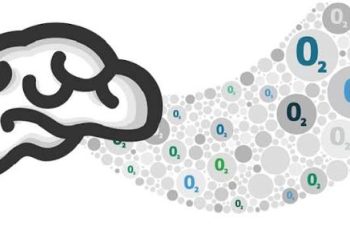

Blood circulation is essential for keeping the body supplied with oxygen and nutrients. Every part of the body depends on the circulatory system to transport oxygen-rich blood to tissues while carrying carbon dioxide and other waste products away. When blood flow is healthy, the heart, blood vessels, muscles and other organs can perform their normal functions more effectively.
People who are searching for ways to improve blood circulation often focus on quick solutions, including supplements, special drinks or home remedies. However, circulation is closely connected to overall cardiovascular health, so the most useful steps are usually everyday lifestyle habits that support the heart and blood vessels.
Regular movement is particularly important. Physical activity encourages the heart to pump blood efficiently and helps maintain overall fitness. Even simple activities such as walking, stretching, gardening or doing household tasks can reduce the amount of time spent inactive.
Diet also matters. Eating a variety of vegetables, fruits, whole grains, beans, nuts, fish and other nutritious foods can support cardiovascular health. At the same time, smoking, excessive alcohol use, prolonged inactivity and poorly controlled conditions such as hypertension and diabetes can increase cardiovascular risks.
It is also important to understand that symptoms of poor circulation should not automatically be treated at home. Persistent leg pain, swelling, numbness, skin colour changes, slow-healing wounds or cold limbs can sometimes indicate an underlying problem involving the arteries or veins. In such cases, professional medical assessment is important.
1. Exercise Regularly to Support Blood Flow
Regular physical activity is one of the most practical ways to support healthy circulation. Activities such as walking, cycling, swimming and dancing can help strengthen the cardiovascular system and improve physical fitness.
You do not need to begin with intense exercise. Start with an activity that feels manageable and gradually increase the duration or intensity as your fitness improves.
Try to build movement into your normal routine by walking regularly, taking active breaks and choosing activities that you enjoy enough to continue consistently.
2. Avoid Sitting for Long Periods
Spending many hours sitting without moving can reduce physical activity and may contribute to leg discomfort or swelling, particularly in people who remain in the same position for extended periods.
During long periods of desk work, studying or travelling, make a point of standing up and moving around regularly. Walking for a few minutes, stretching your legs or gently moving your ankles can help you stay active.
Breaking up sedentary time is especially useful when sitting has become part of your daily routine.
3. Maintain a Healthy Weight
Excess body weight can increase the workload placed on the heart and may be associated with conditions that affect cardiovascular health.
Maintaining a healthy weight through nutritious food and regular physical activity can therefore support the circulatory system. Weight changes should be approached gradually rather than through extreme diets or highly restrictive eating patterns.
A sustainable routine is generally easier to maintain over the long term.
4. Eat a Balanced, Heart-Friendly Diet
What you eat can influence blood pressure, cholesterol and other factors linked to cardiovascular health.
Build meals around a variety of vegetables, fruits, whole grains, beans, nuts, fish and other nutritious sources of protein. Foods containing healthier fats can also form part of a balanced diet.
At the same time, try to limit excessive salt, added sugars, highly processed foods and large amounts of unhealthy fats.
Instead of looking for one particular food that supposedly improves circulation, focus on your overall eating pattern.
5. Drink Enough Water
Adequate hydration helps the body maintain normal physiological functions, including maintaining an appropriate blood volume.
Drink fluids regularly throughout the day and pay particular attention to hydration during hot weather or physical activity. However, fluid requirements differ from person to person depending on factors such as climate, exercise and certain medical conditions.
Drinking excessive amounts of water will not automatically improve circulation and can itself create health problems.
6. Stop Smoking
Smoking can damage blood vessels and increase the risk of cardiovascular disease. Tobacco exposure can also affect the way blood vessels function, making smoking cessation an important step toward protecting circulation.
Stopping smoking is beneficial at any age. People who smoke and want to quit can speak with a healthcare professional or use an established smoking-cessation programme for support.
Avoiding exposure to secondhand smoke can also contribute to a healthier cardiovascular environment.
7. Manage Blood Pressure
High blood pressure can place additional stress on the heart and blood vessels. Over time, uncontrolled hypertension can damage arteries and increase the risk of serious cardiovascular complications.
Regular blood-pressure checks can help identify hypertension. When high blood pressure has been diagnosed, following the treatment plan provided by a healthcare professional is important.
Medication, physical activity, dietary improvements and other lifestyle changes may all form part of blood-pressure management.
8. Keep Blood Sugar Under Control
Persistently high blood sugar can damage blood vessels and increase the risk of cardiovascular complications. This makes diabetes management an important part of protecting circulation.
People with diabetes should follow their individual treatment plan, attend recommended medical appointments and monitor blood glucose as advised by their healthcare team.
Healthy eating and regular physical activity can also support blood-sugar management.
9. Manage Cholesterol Levels
Certain types of high cholesterol can contribute to the buildup of fatty deposits inside arteries. This process can narrow blood vessels and affect blood flow.
A balanced diet, regular exercise and maintaining a healthy weight can help support healthy cholesterol levels. Some people may also need prescription medication based on their individual risk factors.
Routine health checks can help identify cholesterol problems before they contribute to more serious cardiovascular disease.
10. Pay Attention to Your Legs and Feet
The legs and feet can sometimes show signs of circulation problems. Staying active and avoiding long periods in one position can help reduce inactivity-related discomfort.
People living with diabetes or known vascular conditions should take particular care of their feet. Regularly checking for cuts, sores, swelling, colour changes or other unusual changes can help identify problems early.
Any wound that does not heal normally should be assessed by a healthcare professional.
11. Get Enough Sleep
Sleep is important for general health and cardiovascular function. Consistently poor sleep can be associated with several health problems, including factors that affect heart health.
Establishing a regular sleep schedule, keeping your sleeping environment comfortable and reducing unnecessary screen use before bed may help support better sleep habits.
Adults generally need around seven to nine hours of sleep each night, although individual needs vary.
12. Find Healthy Ways to Manage Stress
Long-term stress can affect behaviour and several aspects of cardiovascular health. Finding practical ways to manage everyday stress can therefore be part of a broader heart-healthy lifestyle.
Walking, gentle physical activity, hobbies, social interaction, relaxation exercises and adequate sleep can all provide healthy ways to manage daily pressures.
Stress management does not replace medical treatment, but it can complement other healthy habits.
13. Be Careful With Circulation Supplements
Products marketed as natural circulation boosters are widely available, but supplements are not a substitute for identifying the cause of poor blood flow.
Some supplements can also interact with prescription medicines or may not be appropriate for people with certain medical conditions. Anyone considering a supplement should discuss it with a qualified healthcare professional first.
Treating an underlying condition is generally more important than relying on a product marketed as a circulation enhancer.
14. Recognise Possible Signs of Poor Circulation
Circulation problems can produce different symptoms depending on the underlying cause. Possible warning signs include persistent coldness in the hands or feet, numbness, tingling, swelling, changes in skin colour and pain in the legs during physical activity.
Some people may experience discomfort while walking that improves after stopping to rest. Others may notice wounds that take unusually long to heal.
These symptoms should not automatically be attributed to ordinary tiredness or treated solely with home remedies.
15. Know When to Seek Medical Attention
Sudden or severe symptoms require prompt medical evaluation. These can include sudden weakness or numbness, significant swelling, chest pain, difficulty breathing or a sudden change in the colour or temperature of an arm or leg.
Persistent leg pain during walking, recurrent swelling or slow-healing wounds should also be discussed with a healthcare professional.
Circulation problems can have several possible causes, including conditions affecting arteries, veins, the heart or other parts of the cardiovascular system. Proper assessment is therefore important before deciding on treatment.
Improving circulation is primarily about supporting the cardiovascular system consistently rather than searching for a rapid fix. Staying physically active, limiting prolonged sitting, eating nutritious foods, avoiding tobacco, staying appropriately hydrated and managing blood pressure, blood sugar and cholesterol can all contribute to healthier blood vessels and better overall cardiovascular health. When unusual or persistent symptoms appear, medical evaluation is more appropriate than relying on unproven remedies or supplements.