
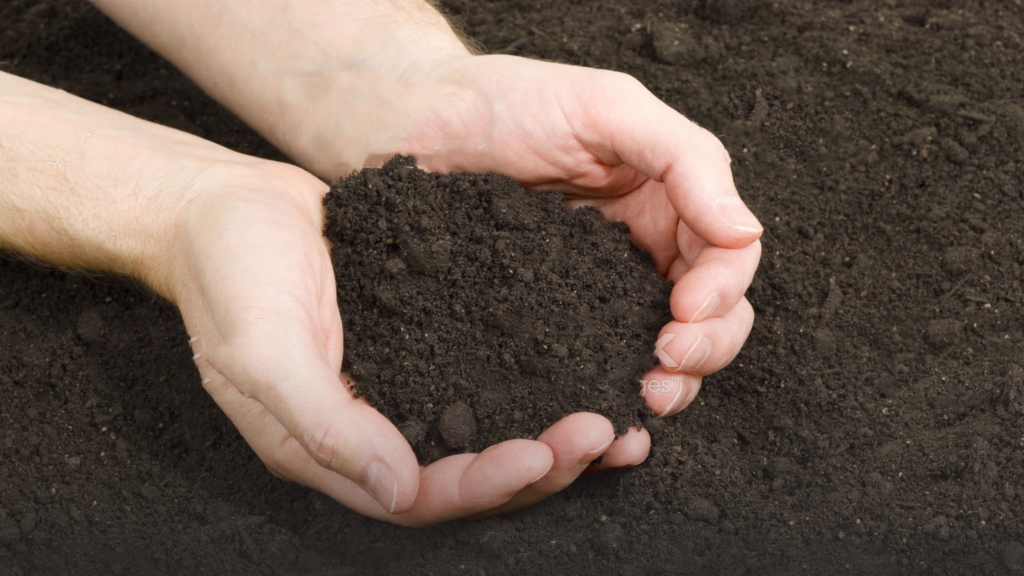
Learning how to improve black cotton soil can make a significant difference for farmers working with heavy clay soils. Although black cotton soil can be challenging to cultivate, it also has characteristics that can support productive agriculture when managed correctly. Its ability to retain water and nutrients can benefit crops, but poor drainage, compaction and dramatic changes in soil volume can create serious problems.
Black cotton soil is commonly associated with Vertisols, a group of clay-rich soils known for their ability to expand when wet and contract as they dry. During dry periods, deep cracks may develop across the field. After rainfall, the same soil can become sticky, heavy and difficult to work. These characteristics make timing and soil management particularly important.
Farmers therefore need to approach black cotton soil differently from lighter soils. Simply adding more fertilizer or repeatedly ploughing the land may not solve the main challenges. Instead, a combination of drainage management, organic matter, appropriate tillage, crop rotation, soil testing and careful water management can gradually improve field conditions.
Why black cotton soil can be difficult to farm
Black cotton soil contains a high proportion of clay minerals that can cause considerable swelling and shrinking. When the soil becomes wet, it can become sticky and difficult to cultivate. As moisture declines, the soil contracts and develops cracks.
This behavior can affect planting, root development, drainage and farm operations. Heavy machinery may also cause compaction when used under unsuitable moisture conditions.
However, black cotton soil is not automatically poor agricultural land. Its relatively high water-holding capacity and ability to retain nutrients can be valuable. The main objective is to manage its physical and chemical characteristics so crops can establish and grow successfully.
Improve drainage before planting
Water management should be one of the first priorities when preparing black cotton soil for cultivation.
Because heavy clay soil can allow water to move slowly, rainfall may remain around the root zone for extended periods. Prolonged waterlogging can reduce oxygen availability around plant roots and interfere with healthy crop development.
Farmers can consider appropriate surface drainage channels, field drains or furrows where local conditions require them. The drainage system should have a suitable outlet so that excess water can leave the field rather than simply collect elsewhere.
Drainage designs should also account for slope, rainfall patterns, crop requirements and the risk of soil erosion.
Add well-decomposed organic matter
Regular additions of suitable organic matter can support better soil structure over time. Farmyard manure, mature compost and appropriate crop residues can contribute organic material to the soil.
Well-decomposed organic matter is generally preferable to fresh manure. Mature material is less likely to create problems associated with decomposition, excessive heat or immature organic compounds.
Farmers should apply organic amendments according to soil condition and available resources rather than assuming that larger quantities will always produce better results.
Organic matter can also contribute to longer-term soil health when incorporated into an overall soil management plan.
Use ridges or raised beds where appropriate
Raised planting areas can be useful on black cotton soils where excess water is a recurring problem.
By positioning crops on slightly elevated beds or ridges, farmers can create a root zone that is less exposed to standing water. The channels between the raised areas can provide a pathway for excess rainfall to move away.
However, the design should match the crop and local field conditions. Ridges that are too high, too narrow or poorly drained may create new management problems.
Keep drainage furrows clear throughout the growing season, especially after heavy rainfall.
Avoid cultivating black cotton soil when it is too wet
One of the most important management principles for black cotton soil is knowing when not to cultivate it.
Working heavy clay soil while it is saturated can cause smearing and compaction. Machinery can also create dense layers that restrict root development and reduce the movement of air and water through the soil.
Black cotton soil often has a relatively narrow moisture range in which it is easier to work. Farmers should therefore assess field conditions before ploughing, harrowing or using heavy equipment.
Avoid entering the field simply because a particular planting date has arrived if the soil is still excessively wet.
Check for compaction before using deep tillage
Deep tillage can sometimes help where a compacted layer is genuinely restricting roots or water movement. However, it should not automatically be considered a solution for every black cotton soil field.
First identify whether compaction exists and determine its depth. Unnecessary deep cultivation can increase fuel costs, disturb soil structure and create additional problems.
Where compaction is confirmed, an appropriate implement and suitable soil moisture condition should be selected. The goal should be to correct a specific problem rather than repeatedly disturbing the entire soil profile.
Test the soil before applying gypsum
Gypsum is sometimes recommended for difficult clay soils, but it should not be treated as a universal solution for black cotton soil.
Gypsum can be useful where soil sodicity or excess exchangeable sodium is affecting soil structure. Calcium supplied by gypsum can help replace sodium under appropriate conditions and, with adequate drainage, improve soil physical properties.
However, not every black cotton soil is sodic. Applying gypsum without identifying the underlying problem can waste money and may not provide the expected benefit.
A soil test can help establish whether gypsum is appropriate and how much should be applied.
Keep the soil covered
Leaving the soil bare for long periods can increase exposure to runoff, erosion and harsh weather conditions.
Crop residues, suitable mulch and cover crops can help protect the soil surface. As organic materials break down, they can also contribute to the soil’s organic matter content.
Where practical, farmers should avoid unnecessary removal or burning of suitable crop residues. Keeping useful plant material within the farming system can support longer-term soil management.
Improve black cotton soil through crop rotation
Crop rotation can help farmers manage nutrients, pests and diseases while making better use of available land.
Instead of growing the same crop repeatedly, farmers can alternate crops with different nutrient requirements and rooting characteristics. Suitable legumes can also form part of a rotation because they can contribute biologically fixed nitrogen to the farming system.
The best rotation will depend on the local climate, market conditions, available water, crop diseases and soil characteristics.
Crop rotation should therefore be planned as part of the farm’s wider production strategy.
Use suitable green manure crops
Green manure can provide another way to increase organic inputs while protecting the soil.
A suitable cover or green manure crop can be grown during an appropriate period and then incorporated or managed as plant residue, depending on the farming system.
Leguminous green manure crops can be particularly useful because they may contribute nitrogen through biological fixation. However, farmers should select species that are suitable for their local climate and avoid introducing crops that could create pest, disease or water-management problems.
Base fertilizer decisions on soil testing
Dark-colored soil should not automatically be assumed to contain every nutrient a crop needs.
Black cotton soil may have a strong capacity to retain nutrients, but nutrient availability can still vary. Crops may experience deficiencies even where the soil appears naturally fertile.
Soil testing can provide information about important chemical properties and nutrient levels. Farmers can then make more informed decisions about fertilizer and soil amendments.
This approach can reduce unnecessary fertilizer expenditure while ensuring genuine nutrient deficiencies are addressed.
Manage irrigation carefully
The ability of black cotton soil to retain water can be an advantage during dry periods, but it can also become a problem when irrigation is excessive.
Water should be applied according to crop requirements, soil moisture and prevailing weather conditions. Irrigating heavily while the soil is already wet can increase the risk of waterlogging.
Where appropriate, controlled irrigation systems can help farmers apply water more efficiently. The irrigation method should nevertheless be selected according to the crop, field layout and available resources.
Select crops that match the soil conditions
Crop selection can strongly influence the success of farming on black cotton soil.
Farmers should consider drainage, rainfall, temperature, growing season, soil fertility and the crop’s tolerance of heavy clay conditions before planting.
A crop that performs well on one black cotton soil field may not perform equally well elsewhere because soil chemistry and drainage conditions can differ considerably.
Local agricultural extension officers, soil specialists and agronomists can provide useful guidance when selecting crops for a particular location.
Control runoff and soil erosion
Heavy rainfall can produce significant surface runoff, especially where fields are exposed or located on sloping terrain.
Contour-based field management, grass strips, suitable drainage structures, mulch and crop cover can help reduce the movement of soil and water where these measures are appropriate.
Drainage should be designed carefully because moving water too quickly through a field can also increase erosion.
A well-planned field layout should therefore remove excess water while limiting the amount of valuable topsoil carried away.
Maintain organic matter year after year
Improving black cotton soil is a long-term process rather than a single treatment.
Regularly returning suitable crop residues, compost, mature manure and green manure biomass to the farming system can help maintain organic matter over time.
Farmers should also avoid practices that unnecessarily remove valuable organic material from the field. Building soil quality gradually is generally more sustainable than relying on one major intervention.
Organic matter management should form part of the farm’s annual production plan.
Monitor the field throughout the season
Every black cotton soil field can behave differently. Rainfall, drainage, slope, soil chemistry, previous cropping practices and land management all influence performance.
Farmers should regularly observe signs such as standing water, poor crop establishment, excessive cracking, restricted root growth, surface crusting and unusual nutrient deficiency symptoms.
Keeping simple records can also help identify patterns from one season to the next. Information about rainfall, planting dates, crop performance, fertilizer applications and drainage problems can guide future decisions.
Match soil management to local conditions
There is no single treatment that can transform every black cotton soil field.
Some farms may primarily need better drainage, while others may have compaction, sodicity, nutrient deficiencies or low organic matter as their main limitation. Consequently, soil assessment should come before major amendments or expensive interventions.
Combining several practical measures can produce better results than relying on one solution. Proper drainage, appropriate tillage, organic matter management, crop rotation, soil testing, suitable crop selection and controlled irrigation can work together to make challenging clay soils more manageable.
Farmers who understand how their particular soil behaves can then adjust their practices according to rainfall, crop requirements and field conditions, improving the chances of consistent crop establishment and productivity.