
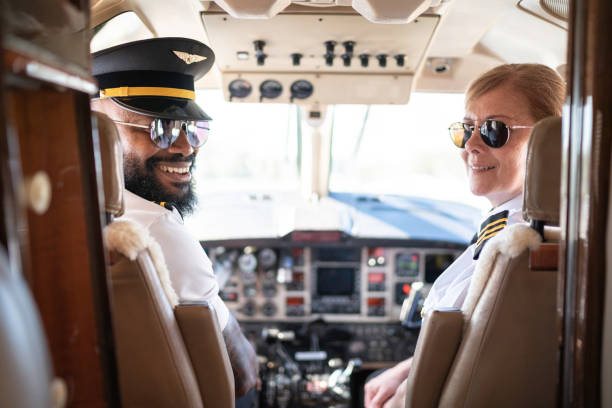
How to Become a Pilot in Kenya
Pilot training offers an exciting career opportunity for people interested in aviation, aircraft operations and air travel. In Kenya, aspiring pilots can pursue different career paths, ranging from private flying to commercial aviation and airline operations. However, becoming a pilot requires careful planning, specialised training and compliance with aviation regulations.
The process begins with understanding the type of pilot licence you need. Your choice will determine the training programme, medical certification, flight experience and examinations required. For example, someone who wants to fly for personal reasons will follow a different pathway from someone planning to work for an airline.
Kenya has an established aviation industry that includes airlines, charter operators, cargo companies, flight schools and other aviation service providers. These organisations create opportunities for qualified professionals. Nevertheless, completing flight training does not automatically guarantee employment. Pilots must meet the requirements of their intended positions and compete for available opportunities.
The Kenya Civil Aviation Authority (KCAA) regulates civil aviation in the country. It oversees pilot licensing, aviation safety and approved training organisations. Therefore, understanding KCAA requirements is essential before committing to a flight school or paying training fees.
Another important consideration is the financial commitment. Flight training involves several expenses, including aircraft hire, instructor fees, ground-school lessons, examinations and medical assessments. Additional ratings may also increase the overall cost.
Fortunately, prospective pilots can make informed decisions by comparing approved training providers, reviewing their career goals and preparing a realistic budget. Starting with accurate information can help you avoid unnecessary expenses and select the most suitable training route.
This guide explains how to become a pilot in Kenya, from meeting the basic entry requirements to obtaining the necessary licences and pursuing aviation employment.
1. Decide Which Type of Pilot You Want to Become
Before enrolling in a flight school, determine the kind of flying career you want to pursue. Different licences provide different privileges and require different levels of training.
Private Pilot: A Private Pilot Licence (PPL) allows you to fly for private purposes within the privileges of your licence. It generally does not permit you to earn money by providing piloting services.
Commercial Pilot: A Commercial Pilot Licence (CPL) allows you to undertake certain flying activities for compensation or hire, subject to applicable regulations and licence privileges.
Airline Pilot: Airline pilots operate aircraft for scheduled or other commercial air transport services. This career typically requires additional qualifications, relevant experience and compliance with the operator’s requirements.
Your preferred career path will influence the training programme you choose. If your goal is to work for an airline, discuss the complete professional training pathway with an approved flight school before enrolling.
2. Meet the Basic Entry Requirements
The minimum entry requirements depend on the licence, aircraft category and training organisation. However, aspiring pilots should prepare academically and develop the communication skills needed for aviation.
For aeroplane licences, the general minimum age requirements include:
- Private Pilot Licence: Usually at least 17 years old.
- Commercial Pilot Licence: Usually at least 18 years old.
- Airline Transport Pilot Licence: Generally at least 21 years old.
Applicants should confirm the current requirements directly with KCAA because licensing rules and eligibility conditions may vary by licence category.
Secondary education is an important starting point. Some flight schools have specific academic requirements, particularly for professional pilot programmes. Mathematics, physics and English can also help students understand aviation theory, navigation, aircraft performance and weather conditions.
English communication is especially important because aviation relies on standardised terminology and clear communication between pilots and air traffic controllers.
Before applying, contact your preferred training school and request its admission criteria. Confirm the required educational documents, minimum age, medical standards and any entrance assessments.
3. Complete the Required Aviation Medical Examination
Medical fitness is a key part of pilot licensing. Pilots must meet the applicable health and fitness standards to operate aircraft safely.
The required medical certificate depends on the licence you intend to obtain.
- Class 2 medical certificate: Generally associated with private pilot licensing.
- Class 1 medical certificate: Generally required for commercial pilot licensing and airline-level privileges.
The precise requirements depend on the licence and applicable KCAA regulations. You should therefore confirm the appropriate medical category before starting training.
Aviation medical assessments may evaluate vision, hearing, cardiovascular health and other aspects of fitness relevant to safe flying.
It is advisable to complete the appropriate medical assessment early. Doing so can help you identify any eligibility issues before spending substantial amounts on flight training.
Use the official aviation medical process and consult an authorised aviation medical examiner for guidance.
4. Choose a KCAA-Approved Flight School
Selecting the right training institution is one of the most important decisions in your aviation journey.
A flight school should have the appropriate KCAA approval for the training it offers. Do not assume that a school is authorised to provide every licence or rating simply because it advertises pilot courses.
When comparing schools, consider the following factors:
- Current KCAA approval and authorised training scope.
- Qualifications and experience of flight instructors.
- Aircraft availability and maintenance arrangements.
- Safety procedures and training facilities.
- Ground-school quality and examination preparation.
- Course duration and scheduling flexibility.
- Total fees and additional charges.
- Graduate support and career guidance.
Schools you may investigate include Kenya School of Flying, Flight Training Centre, Ninety Nines Flying School and Standards Aviation. Treat these as starting points for research rather than a guarantee of current approval for every course.
Before making a payment, verify the school’s current status and the specific programme with KCAA. Request a written fee schedule and clarify whether the quotation includes examinations, flight tests, medical assessments and additional flight hours.
5. Obtain a Private Pilot Licence
For many aspiring aeroplane pilots, the Private Pilot Licence is the first major licensing milestone.
PPL training introduces students to the fundamentals of operating an aircraft. It combines classroom instruction with practical flying experience under the supervision of qualified instructors.
Typical training subjects include:
- Aircraft handling and basic flight manoeuvres.
- Aviation regulations and flight procedures.
- Navigation and flight planning.
- Meteorology and weather interpretation.
- Aircraft systems and performance.
- Human performance and flight safety.
Students must complete the prescribed ground training, knowledge examinations and practical flight training. They must also meet the relevant flight-experience requirements and pass the required flight test.
For an aeroplane PPL, 40 flight hours is a commonly cited minimum under applicable training frameworks. However, the exact requirement depends on the applicable KCAA rules and training route. Many students need additional hours to demonstrate the required proficiency.
The PPL provides a foundation for further training. However, it does not, by itself, qualify someone to work as a commercial airline pilot.
6. Train for a Commercial Pilot Licence
If you intend to earn a living as a pilot, the Commercial Pilot Licence is a major step towards professional aviation employment.
CPL training develops the knowledge and practical skills required for commercial flying within the privileges of the licence. It builds on the foundation established during earlier training.
The programme generally includes advanced aviation theory, navigation, aircraft performance, operational procedures and further flight experience.
To qualify, applicants must complete the prescribed training, meet the applicable flight-hour requirements, pass the relevant examinations and demonstrate their flying skills during the required practical assessment.
Applicants must also satisfy the applicable medical and language-proficiency requirements.
Before beginning CPL training, ask the school for a detailed breakdown of the required hours and costs. Confirm whether the programme assumes that you already hold a PPL and whether additional training could be necessary.
A CPL can open opportunities in areas such as charter operations, aerial work and other approved commercial flying activities. However, each employer may require additional ratings, experience or operational qualifications.
7. Obtain Additional Pilot Ratings
A basic licence may not be sufficient for every aviation job. Depending on your career goals, you may need additional ratings or aircraft-specific qualifications.
Instrument Rating: An Instrument Rating develops the skills needed to operate aircraft under instrument flight rules, subject to the privileges and limitations of the rating.
Multi-Engine Rating: This qualification provides training to operate eligible aircraft with more than one engine.
Aircraft Type Rating: Certain aircraft require specific type-rating training before a pilot can operate them. The requirement depends on the aircraft and applicable regulations.
These qualifications can increase the range of flying operations for which a pilot is eligible. However, they also add training time and cost.
Discuss your intended career with your flight school before selecting additional ratings. Focus on the qualifications required for the roles you want rather than paying for courses without a clear purpose.
8. Build Flight Experience and Apply for Jobs
After obtaining the appropriate licence and ratings, the next challenge is finding employment and building professional experience.
Pilot recruitment requirements differ between airlines, charter operators, cargo companies, flight schools and other aviation businesses. Some positions require substantial flight experience, while others may accept applicants who meet specific entry-level criteria.
To prepare for applications, maintain a professional aviation CV and keep your licence, medical certificate and flight logbook up to date.
You should also track your flight hours, ratings and other qualifications accurately. Employers may request documentation to verify your experience.
Potential career routes include:
- Commercial charter operations.
- Cargo and specialised aviation services.
- Flight instruction, where appropriately qualified.
- Other commercial flying roles permitted by your licence.
Airline recruitment may involve technical interviews, simulator assessments, background checks and additional training. Meeting the minimum licensing requirements does not guarantee a job offer.
Research employer vacancies carefully and confirm that you meet the stated requirements before applying.
9. Work Towards an Airline Transport Pilot Licence
The Airline Transport Pilot Licence (ATPL) is an advanced pilot licence associated with the highest levels of professional pilot qualification.
For those pursuing an airline career, the ATPL pathway involves meeting the applicable age, medical, theoretical knowledge and flight-experience requirements. Practical assessments and other licensing conditions may also apply.
The licence pathway can differ depending on the training route and whether a pilot holds a full or another recognised form of ATPL qualification.
In practice, becoming an airline captain requires more than obtaining an advanced licence. Pilots must also gain relevant operational experience, complete required aircraft and operator training, and satisfy the airline’s command-selection standards.
If airline flying is your long-term goal, ask an approved training provider to explain the complete pathway from initial training to the qualifications required for the specific airline positions you want.
10. Understand the Cost of Pilot Training in Kenya
Pilot training is a substantial financial investment. The final cost depends on the flight school, aircraft category, number of flight hours, training pace and additional qualifications.
Your budget should account for more than the advertised course fee.
Common expenses include:
- Ground-school tuition.
- Aircraft rental and instructor fees.
- Aviation medical examinations.
- Knowledge examinations and practical flight tests.
- Licensing and administrative charges.
- Flight equipment, books and study materials.
- Accommodation and transport.
- Additional flight hours or repeat assessments, if needed.
- Further ratings required for your career pathway.
Request written quotations from several approved schools and compare what each package includes. A lower initial price may not represent the lowest overall cost if important expenses are excluded.
Ask about payment schedules, refund policies, aircraft availability and the likely cost of completing the entire programme.
You can also investigate legitimate scholarships, sponsorships or education-financing options. Verify any organisation offering funding before sharing personal documents or paying an application fee.
Avoid committing money based solely on promises of guaranteed airline employment. Training providers and recruitment agencies should be assessed carefully, and job guarantees should be treated with particular caution.
11. How Long Does It Take to Become a Pilot?
The time required depends on the licence you pursue, the availability of aircraft and instructors, your progress, and the amount of time you can dedicate to training.
A private licence may take several months, although individual timelines vary. Professional training can take longer because it involves additional flight hours, examinations and qualifications.
The journey towards airline employment may extend over several years as pilots gain experience and complete further training.
Ask the flight school for a realistic schedule based on its current aircraft availability, training capacity and examination arrangements. Also, allow room in your budget for delays or extra flight hours.
12. Start Your Aviation Career With Careful Planning
Becoming a pilot in Kenya requires commitment, financial preparation and compliance with aviation regulations. The process generally begins with choosing a career path, meeting the entry requirements and obtaining the appropriate medical certificate.
From there, aspiring pilots can enrol in an approved training programme, obtain the required licences and pursue additional qualifications based on their career goals.
The most important first steps are to verify your eligibility, compare approved flight schools and understand the full cost before enrolling. These checks can help you make a more informed decision and avoid unnecessary financial risks.
For the latest licensing requirements, medical standards and approved training organisations, consult the Kenya Civil Aviation Authority through its official website at https://www.kcaa.or.ke/.
With realistic expectations and a well-planned training pathway, aspiring pilots can work towards a rewarding career in Kenya’s aviation industry.