Understanding Tonsillitis in Children
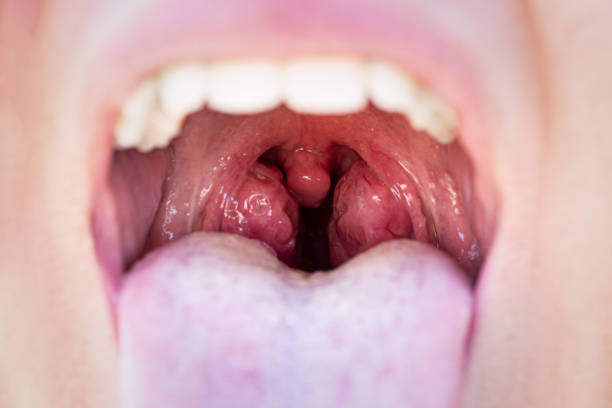
Tonsillitis is inflammation of the tonsils, the two small areas of tissue located at the back of the throat. It commonly affects children and can cause a sore throat, painful swallowing, fever, and swollen tonsils. Although many children recover without complications, the condition can sometimes make eating, drinking, and sleeping uncomfortable.
Learning how to prevent tonsillitis in kids can help parents reduce exposure to infectious germs and encourage habits that support their children’s overall health. However, prevention is not always possible because tonsillitis can develop after exposure to viruses or bacteria, including those that spread through close contact at school, childcare centres, and other shared environments.
Viral infections are a common cause of tonsillitis. Bacterial infections, including group A streptococcal infections, can also cause it. Because the symptoms may overlap, parents should not assume that every sore throat requires antibiotics. A healthcare professional can assess the child’s symptoms and determine whether testing or treatment is necessary.
Fortunately, several everyday measures can help reduce the spread of infections. Regular handwashing, respiratory hygiene, avoiding shared items that come into contact with saliva, and keeping indoor spaces well ventilated can all contribute to a healthier environment.
Good nutrition, adequate sleep, and sufficient fluids also support children’s general well-being, although they cannot guarantee protection against tonsillitis. Keeping routine vaccinations up to date is another important part of preventive healthcare, even though no routine vaccine prevents every cause of the condition.
Parents should also learn to recognise the early signs of tonsillitis and know when to seek medical attention. Early assessment can help identify the likely cause, guide appropriate treatment, and reduce the risk of complications.
The following 12 practical tips can help families reduce infection risks and respond appropriately when a child develops symptoms.
12 Ways to Help Prevent Tonsillitis in Kids
1. Encourage Regular Handwashing
Handwashing is one of the simplest ways to reduce the spread of germs that cause respiratory infections. Children often touch shared toys, desks, door handles, and other surfaces before touching their faces or eating.
Teach your child to wash their hands thoroughly with soap and running water.
- Wash hands before meals and after using the toilet.
- Wash hands after coughing, sneezing, or wiping the nose.
- Encourage children to avoid touching their eyes, nose, and mouth with unwashed hands.
- Help younger children develop a consistent handwashing routine.
When soap and water are unavailable, an age-appropriate hand sanitiser can be useful under adult supervision. However, handwashing remains an important everyday habit.
2. Teach Children to Cover Coughs and Sneezes
Respiratory infections can spread when infected people release droplets and particles while coughing, sneezing, or talking.
Teach children to cover their mouth and nose with a tissue when coughing or sneezing. If a tissue is unavailable, they should use the inside of their elbow rather than their hands.
Encourage them to dispose of used tissues properly and wash their hands afterwards. These simple habits can help reduce the spread of germs at home, in classrooms, and in childcare settings.
Parents and caregivers should also practise these habits because children often learn by observing adults.
3. Avoid Sharing Personal Items
Some infections that cause tonsillitis can spread through close contact with saliva or respiratory secretions. Sharing personal items may increase opportunities for germs to pass between children.
Give each child their own drinking cup, water bottle, spoon, and fork. Avoid sharing toothbrushes, and clean eating utensils appropriately after use.
Children should also be encouraged to avoid drinking directly from another person’s bottle.
Although avoiding shared items cannot prevent every infection, it is a practical precaution, particularly when someone in the household is unwell.
4. Limit Close Contact With Sick People
Children frequently interact with classmates, friends, and relatives, making complete avoidance of infections difficult. Nevertheless, limiting close contact with someone who has a sore throat, fever, or respiratory symptoms can reduce exposure.
When a child is ill, encourage rest at home when appropriate and follow school or childcare guidance on returning to normal activities.
If a household member develops a contagious infection, encourage everyone to maintain good hand hygiene, avoid sharing personal items, and improve ventilation.
The appropriate period for avoiding close contact depends on the infection involved. Follow medical advice, especially when a bacterial infection has been diagnosed.
5. Keep the Home Clean and Well Ventilated
Regular cleaning can help reduce contamination on frequently touched surfaces. Focus on items such as door handles, tables, toys, remote controls, and frequently used household equipment.
Ventilation is also important because respiratory infections can spread through particles in indoor air. Open windows when practical and safe, or use suitable ventilation systems to improve indoor airflow.
Avoid exposing children to cigarette smoke, vaping aerosols, and other airway irritants. These substances can irritate the throat and respiratory tract, even though they do not directly cause every case of tonsillitis.
Maintaining a clean, well-ventilated home supports general respiratory health.
6. Provide a Balanced and Nutritious Diet
A balanced diet supplies the nutrients children need for normal growth, development, and immune function. While certain foods cannot prevent tonsillitis on their own, varied meals support overall health.
Include a range of foods, such as:
- Fruits and vegetables.
- Protein sources such as beans, eggs, fish, and meat.
- Whole grains and other suitable carbohydrate sources.
- Milk, yoghurt, or appropriate alternatives.
- Foods containing essential vitamins and minerals.
Choose meals that suit your child’s age, nutritional needs, and any known allergies.
Avoid relying on supplements or special diets to prevent throat infections unless a healthcare professional recommends them. A varied diet is generally a better foundation for children’s nutritional health.
7. Encourage Children to Drink Enough Water
Adequate hydration supports normal body function and helps keep the mouth and throat comfortable. However, drinking water does not prevent a child from catching the infections that cause tonsillitis.
Offer water regularly throughout the day, particularly during hot weather, physical activity, or illness.
If your child develops a sore throat, cool or comfortably warm fluids may make swallowing easier. Offer small, frequent sips if drinking is uncomfortable.
Seek medical advice if your child is drinking very little, urinating less than usual, or showing other signs of dehydration.
8. Make Sure Children Get Enough Sleep
Sufficient sleep supports healthy growth, learning, and normal immune function. Children who follow consistent sleep routines may also find it easier to maintain healthy daily habits.
Establish a regular bedtime and wake-up time. Keep the sleeping environment comfortable, quiet, and suitable for your child’s age.
Reduce stimulating activities close to bedtime and encourage a relaxing evening routine.
Sleep alone cannot prevent tonsillitis, but it remains an important part of maintaining children’s overall health.
9. Keep Routine Vaccinations Up to Date
Routine childhood vaccinations protect against several infections that can cause serious illness. However, there is no routine vaccine that prevents every viral or bacterial cause of tonsillitis.
Check your child’s immunisation record and follow the recommended vaccination schedule in your country.
If your child has missed a scheduled vaccination, consult a healthcare professional about catch-up options.
Vaccination is one part of preventive healthcare and should be combined with hygiene, appropriate medical assessment, and other healthy habits.
10. Avoid Giving Antibiotics Without Medical Advice
Antibiotics treat certain bacterial infections, but they do not work against viruses. Because viral and bacterial tonsillitis can produce similar symptoms, parents should not use antibiotics without appropriate medical guidance.
Giving antibiotics unnecessarily can cause side effects and contribute to antibiotic resistance.
Follow these precautions:
- Do not give your child leftover antibiotics.
- Never use antibiotics prescribed for another person.
- Do not start or stop a prescribed course without professional advice.
- Follow the recommended dose and duration when antibiotics are prescribed.
A healthcare professional can determine whether testing or antibiotic treatment is appropriate based on the child’s symptoms, examination, and applicable clinical guidance.
11. Recognise the Early Signs of Tonsillitis
Recognising symptoms early helps parents decide when their child needs medical assessment. Common signs of tonsillitis include:
- A sore throat or pain when swallowing.
- Red or swollen tonsils.
- White patches or pus on the tonsils in some cases.
- Fever.
- Swollen glands in the neck.
- Headache or reduced appetite.
- Stomach pain, nausea, or vomiting in some children.
These symptoms do not always indicate bacterial infection, and white patches alone cannot confirm that antibiotics are necessary.
Arrange a medical assessment if symptoms are severe, persist, recur frequently, or interfere with eating and drinking. Seek advice sooner if your child is very young or has other medical conditions that increase their risk.
12. Know When to Seek Urgent Medical Care
Most cases of tonsillitis improve with appropriate care, but some symptoms require urgent attention.
Seek emergency medical care if your child:
- Has difficulty breathing.
- Cannot swallow saliva or is drooling because swallowing is difficult.
- Develops significant swelling in the throat or neck.
- Has difficulty opening their mouth alongside severe throat pain or swelling.
- Becomes unusually drowsy, confused, or seriously unwell.
Prompt assessment is particularly important if your child shows signs of dehydration, such as markedly reduced urination or an inability to keep fluids down.
Do not delay urgent care while trying home remedies. If symptoms are severe, seek professional medical assistance immediately.
Can Tonsillitis Be Prevented Completely?
No. Tonsillitis cannot always be prevented because the viruses and bacteria responsible for the condition are common, especially in environments where children spend time together.
However, good hygiene, respiratory precautions, reduced exposure to infectious people, and appropriate preventive healthcare can help lower the risk of infection.
Parents should also avoid unnecessary antibiotics and seek medical advice when symptoms suggest a potentially serious infection. Children who experience repeated episodes of tonsillitis may benefit from further assessment to determine the cause and discuss suitable management options.
Final Thoughts
Helping children avoid tonsillitis starts with practical habits at home and school. Regular handwashing, good respiratory hygiene, avoiding shared personal items, balanced nutrition, sufficient sleep, and appropriate healthcare all contribute to children’s well-being.
Although these measures cannot eliminate every risk, they can help reduce the spread of infections and encourage healthier routines.
Parents should remain alert to persistent or severe symptoms and seek medical advice when necessary. Most importantly, difficulty breathing or swallowing saliva requires urgent medical attention.