Wall dampness is a common household problem that can damage paint, weaken plaster, encourage mould growth and create unpleasant smells. Learning how to prevent wall dampness can help protect your home, preserve interior finishes and maintain a more comfortable living environment. Whether you live in an apartment or a standalone house, controlling moisture and identifying water problems early are essential steps towards keeping your walls dry.
Understanding What Causes Wall Dampness
Wall dampness develops when moisture enters a building or accumulates on interior surfaces. The problem can occur in newly built homes as well as older properties, and it may affect bedrooms, kitchens, bathrooms and exterior-facing walls.
Several factors can contribute to damp walls. Leaking pipes, damaged roofs, cracked exterior surfaces and blocked gutters can allow water to enter a building. In other cases, condensation forms when warm, moist air meets a cold wall or window. Some buildings also experience moisture rising from the ground because of problems with damp-proofing or drainage.
Identifying the source is important because different causes require different solutions. Improving ventilation may help with condensation, but it will not repair a leaking pipe or stop rainwater from entering through a damaged roof. Similarly, applying fresh paint over a damp surface will not resolve an underlying moisture problem.
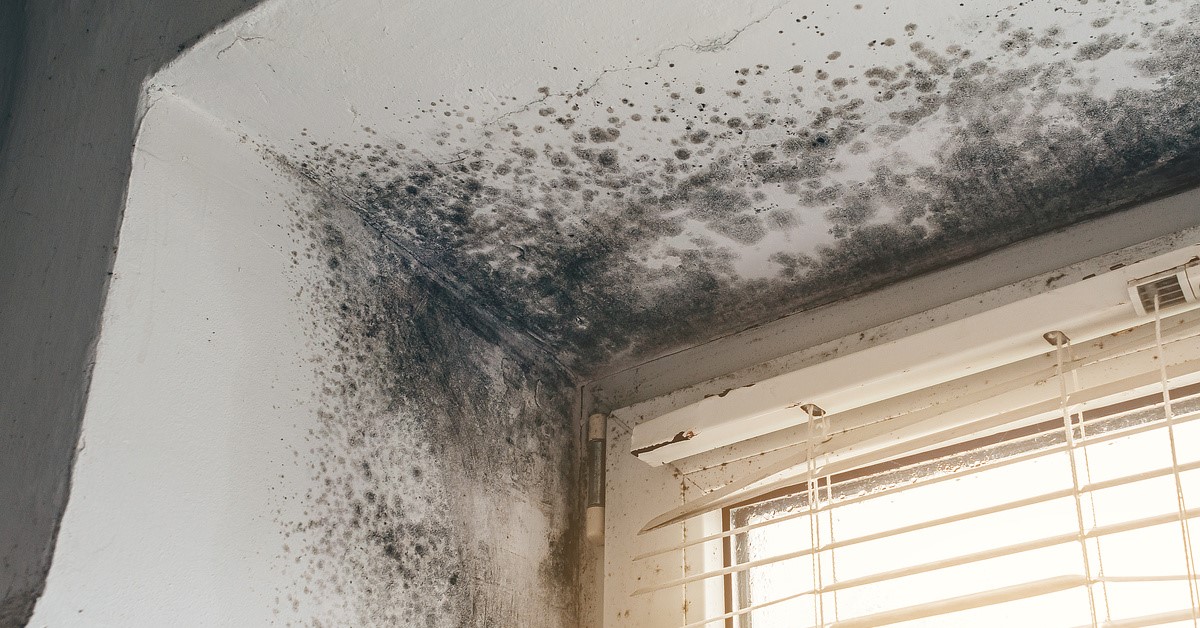
Early warning signs include discoloured patches, peeling paint, bubbling plaster, a musty smell and visible mould. Some problems remain hidden behind furniture or inside cupboards, so regular inspections are useful.
Fortunately, several practical steps can reduce the risk of wall dampness. Better airflow, effective drainage, prompt plumbing repairs and appropriate humidity control can all help protect your property. Exterior maintenance is equally important because preventing water from entering the building is often easier than repairing damage later.
The following 15 tips explain how to manage moisture, identify common causes of damp walls and maintain a healthier, better-protected home.
1. Improve Indoor Ventilation
Good ventilation helps remove humid air before moisture accumulates on walls and other surfaces. This is particularly important in rooms where people cook, bathe or dry clothes.
Open windows when outdoor conditions allow, and create cross-ventilation by opening windows or doors on opposite sides of a room where practical.
In bathrooms and kitchens, extractor fans can help remove moisture directly from the source. Keep ventilation openings clean and make sure fans discharge air appropriately rather than allowing humid air to collect in enclosed spaces.
However, ventilation alone will not resolve dampness caused by leaking pipes or rainwater entering through the walls. If damp patches persist, investigate other possible causes.
2. Repair Leaking Pipes Promptly
Leaking plumbing can introduce water into walls, floors and ceilings. Even a small leak may cause significant damage if it continues unnoticed.
Inspect the areas around sinks, showers, toilets, washing machines and water pipes. Look for water stains, damp surfaces, loose fittings or unexplained moisture.
If a leak is suspected inside a wall, avoid opening the structure unnecessarily. A qualified plumber can help locate the problem and recommend the appropriate repair.
Once the leak is fixed, allow affected materials to dry thoroughly before repairing plaster or repainting.
Prompt plumbing maintenance helps prevent recurring dampness and reduces the risk of more extensive repairs.
3. Inspect and Repair the Roof
A damaged roof can allow rainwater to enter the building and spread into ceilings and walls. Water may travel away from the original entry point, so the visible damp patch does not always reveal where the leak began.
Inspect the roof periodically for damaged roofing materials, loose flashing, deteriorated seals and other signs of water entry. Pay attention to ceiling stains that become more noticeable after rain.
Repair roof defects promptly, and arrange professional assistance for work that requires access to elevated or unsafe areas.
If the dampness appears after heavy rainfall, consider checking roof drainage and exterior wall conditions as well.
Keeping the roof watertight is an important part of preventing moisture damage throughout the home.
4. Keep Gutters and Drainage Clear
Blocked gutters can cause rainwater to overflow and run down exterior walls. Poor ground drainage can also allow water to collect near the foundations.
Clean gutters and downpipes regularly, particularly after periods of heavy rain or when leaves and other debris accumulate.
Check that downpipes carry water away from the building and that the surrounding ground does not direct runoff towards the walls.
Where water repeatedly pools near the house, consider whether the drainage layout needs improvement.
Good drainage reduces unnecessary moisture exposure and helps protect exterior surfaces, foundations and interior walls.
5. Reduce Condensation on Walls
Condensation occurs when moist air contacts a surface that is cool enough for water vapour to form droplets. It commonly appears on windows, cold exterior walls and surfaces in poorly ventilated rooms.
To reduce condensation, improve airflow, use extractor fans and limit unnecessary moisture production indoors.
Wipe condensation from windowsills and other surfaces before water accumulates. If a room remains consistently humid, a humidity monitor can help identify the pattern.
Moving furniture slightly away from cold walls may also improve circulation and reduce hidden moisture.
If dampness continues despite these measures, investigate whether water is entering through the structure rather than assuming condensation is the only cause.
6. Avoid Drying Clothes in Poorly Ventilated Rooms
Wet clothes release moisture into the surrounding air as they dry. In a room with limited ventilation, that moisture can increase humidity and encourage condensation on walls.
Whenever practical, dry clothes outdoors in a suitable location. If outdoor drying is not possible, choose a well-ventilated indoor area.
Keep windows open when conditions permit, or use an appropriate ventilation system to remove humid air.
A dehumidifier may help where indoor drying is unavoidable, particularly during prolonged wet weather.
Avoid placing wet clothes directly against walls or leaving them in enclosed rooms without adequate airflow.
7. Use an Extractor Fan in the Kitchen
Cooking releases steam and moisture into the air, especially when boiling water or preparing food for long periods.
An extractor fan can help remove humid air before it spreads throughout the kitchen. Use it while cooking and continue running it afterwards when appropriate.
If there is no extractor fan, opening a window can improve ventilation when outdoor conditions are suitable.
Using lids on pots can also reduce the amount of steam released into the room.
These small changes help manage indoor humidity and reduce condensation on kitchen walls, ceilings and windows.
8. Keep Bathrooms Dry and Well Ventilated
Bathrooms generate considerable moisture from showers, baths and hot water. Without effective ventilation, that moisture can settle on walls and encourage mould growth.
Use an extractor fan during bathing and afterwards, following the manufacturer’s guidance. Open a window when appropriate to improve airflow.
After showering, wipe excess water from tiled walls, glass surfaces and other areas where moisture collects. Hang wet towels where they can dry properly rather than leaving them bunched up in a corner.
Check the seals around showers, baths and sinks for damage. Failed seals can allow water to enter surrounding walls and floors.
If dampness persists outside the immediate bathing area, inspect the plumbing and adjoining walls for possible leaks.
9. Leave Space Between Furniture and Walls
Large wardrobes, beds and sofas can restrict airflow when placed directly against walls. This may allow condensation or moisture to remain unnoticed behind furniture.
Leave a small gap between large furniture items and exterior walls where possible. The space helps air circulate and makes it easier to inspect the surface.
Periodically check behind wardrobes, cabinets and beds for musty smells, discolouration or visible mould.
If the wall is already damp, moving furniture may improve airflow, but it will not correct the underlying cause.
Keeping these areas accessible can help you identify moisture problems before they spread.
10. Maintain Exterior Walls and Seal Suitable Cracks
Cracks in exterior walls can allow rainwater to penetrate the building, especially when the surrounding paint, render or masonry has deteriorated.
Inspect exterior surfaces for cracks, damaged plaster, loose coatings and gaps around windows or doors.
Small defects may be repairable with suitable materials, but larger cracks or recurring damage should be assessed by a qualified building professional.
Use repair products appropriate for the wall material and exposure conditions. Some older or traditional buildings require breathable finishes to manage moisture correctly.
Do not assume that sealing every surface with a waterproof coating will solve the problem. The wrong treatment can sometimes trap moisture inside the wall.
11. Monitor Indoor Humidity
High indoor humidity can increase condensation risk, particularly when walls and windows are cold.
A digital humidity monitor can help you understand how moisture levels change during cooking, bathing, sleeping and clothes drying.
For many homes, an indoor relative humidity level of roughly 30% to 50% is a useful target, although climate and building conditions vary. Persistent readings above 60% may indicate that better moisture control is needed.
If humidity remains high, improve ventilation, reduce unnecessary moisture production or consider using a dehumidifier.
Empty and maintain the dehumidifier according to its instructions. If the room stays damp despite these measures, investigate leaks or structural moisture sources.
12. Keep Air Vents Unblocked
Air vents support ventilation in buildings designed to use them. Blocking these openings with furniture, curtains or stored items can reduce airflow and contribute to moisture accumulation.
Check that ventilation grilles are clean and unobstructed. If your home has mechanical ventilation, follow the maintenance instructions for filters and equipment.
Do not seal or block vents that are required for combustion appliances or building ventilation. If you are unsure about their purpose, consult a qualified professional.
Good airflow helps moisture escape and can reduce the likelihood of condensation forming on interior surfaces.
13. Dry Wet Surfaces Quickly
Water left on walls, floors, windowsills and other surfaces can contribute to moisture problems, particularly in rooms that already have poor ventilation.
Wipe up spills and visible condensation promptly. After cleaning, allow the area to dry completely.
Pay particular attention to places near sinks, showers, windows and exterior doors. Check for recurring moisture rather than simply wiping the same area repeatedly.
If a wall becomes wet after rain or plumbing use, investigate the cause. Persistent dampness is not usually resolved by surface drying alone.
For larger water leaks or extensive wetting, professional assessment may be necessary to determine whether materials inside the wall have also become saturated.
14. Investigate Possible Rising Damp
Rising damp occurs when moisture moves upwards from the ground through walls. It may be associated with a missing, damaged or ineffective damp-proof course, although similar symptoms can result from other problems.
Possible signs include damp patches near the bottom of walls, deteriorating plaster, peeling paint and salt deposits on masonry.
However, these signs do not prove that rising damp is the cause. Leaking pipes, external ground levels, rainwater penetration and condensation can produce similar symptoms.
If you suspect rising damp, arrange an assessment by a qualified building or damp-proofing professional who can investigate the moisture source.
Avoid paying for chemical treatments or extensive plaster replacement before the cause has been properly established. Accurate diagnosis helps ensure that the chosen repair addresses the actual problem.
15. Address Mould and Persistent Dampness Early
Mould may develop when surfaces remain damp for extended periods. It can damage finishes and may aggravate respiratory symptoms or allergies in some people.
If you discover mould, address the moisture source as well as the visible growth. Otherwise, the mould may return after cleaning or repainting.
For small areas on suitable surfaces, follow recognised cleaning guidance and use appropriate protective equipment. Never mix cleaning chemicals, particularly bleach with ammonia or acidic products.
Extensive mould, recurring growth, damp materials inside walls or moisture following a major leak may require professional remediation.
Do not simply paint over damp plaster or mould. Allow affected materials to dry, repair the underlying cause and use appropriate products only after the surface has been properly prepared.
If anyone in the home experiences concerning symptoms associated with damp or mould, consider seeking advice from a healthcare professional.
Protect Your Home From Recurring Wall Dampness
Preventing wall dampness starts with identifying where the moisture comes from. Improving ventilation and reducing indoor humidity can help with condensation, while plumbing repairs, roof maintenance and effective drainage address other common causes.
Regular inspections are equally important. Look behind furniture, check exterior walls after heavy rain and investigate unusual smells or recurring stains before the damage becomes more extensive.
Most importantly, avoid treating damp walls as a cosmetic problem alone. Fresh paint may improve the appearance temporarily, but lasting results depend on correcting the source of moisture and allowing affected materials to dry properly.
With consistent maintenance and the right repairs, you can help protect your walls, reduce mould risks and maintain a more comfortable home.