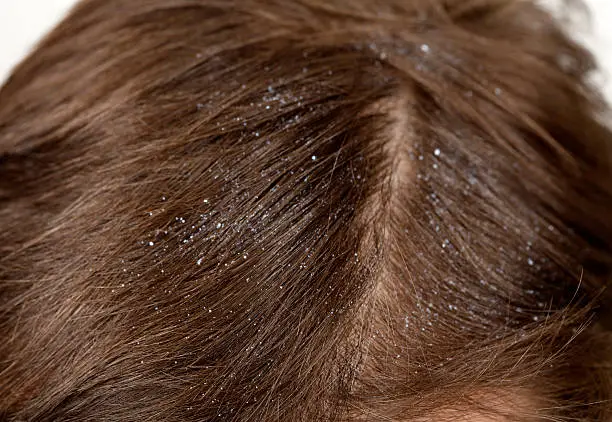
Dandruff can make the scalp itchy, uncomfortable and visibly flaky. Although it is a common scalp condition, the white flakes that appear on hair and clothing can be frustrating. The good news is that simple hair-care habits may help reduce dandruff and improve scalp comfort. Learning how to avoid dandruff naturally starts with understanding what your scalp needs and which habits may make symptoms worse.
Many people experience dandruff because of a combination of factors, including scalp oil, skin sensitivity and the activity of naturally occurring microorganisms on the skin. Dryness, irritation and certain hair products can also contribute to flaking. However, dandruff is not necessarily a sign of poor hygiene. Even people who wash their hair regularly can experience persistent flakes.
A consistent scalp-care routine can help manage mild dandruff. Washing your hair appropriately, rinsing away product residue and avoiding irritating treatments are useful starting points. Lifestyle habits, such as getting enough sleep and managing stress, may also support overall skin health. However, natural remedies do not work equally well for everyone, and some popular home treatments can make irritation worse.
The best approach is to identify your scalp’s needs and make gradual changes rather than trying several remedies at once. Your hair type, scalp oiliness and sensitivity can influence which products and washing routines work best. If your symptoms continue despite these changes, an anti-dandruff shampoo or advice from a healthcare professional may be necessary.
1. Keep Your Scalp Clean
Regular hair washing can help remove excess oil, dead skin cells and styling product residue. When these substances accumulate, they may contribute to visible flakes and scalp discomfort.
Choose a washing schedule that suits your hair type and how quickly your scalp becomes oily. Some people need to wash frequently, while others can wash less often.
Focus on gently cleaning the scalp rather than aggressively scrubbing the hair. A suitable shampoo and consistent routine can help keep the scalp comfortable.
2. Limit Excessive Hair Styling Products
Hair gels, waxes, sprays and heavy styling products can leave residue on the scalp. Some ingredients may also irritate sensitive skin, potentially making itching and flaking worse.
Use styling products in moderation and avoid applying large amounts directly to the scalp unless the product is designed for that purpose.
If you notice increased itching after using a particular product, stop using it and see whether your symptoms improve. Keeping your routine simple can make it easier to identify possible triggers.
3. Avoid Scratching Your Scalp
Dandruff often causes itching, but repeatedly scratching the scalp can increase irritation. Scratching may also damage the skin’s protective surface and make an already uncomfortable scalp more sensitive.
Instead, gently massage your scalp with your fingertips while washing your hair. Avoid using your nails or picking at visible flakes.
If itching is intense or continues for several days, consider whether you need a different hair-care product or professional advice. Persistent itching may indicate a condition that requires targeted treatment.
4. Rinse Your Hair Thoroughly
Shampoo, conditioner and styling products can leave residue when they are not rinsed out properly. For people with sensitive scalps, this residue may contribute to irritation.
After washing, rinse your hair thoroughly with lukewarm water. Pay particular attention to areas where products tend to collect, including the hairline and behind the ears.
Avoid applying more shampoo than necessary. Using excessive amounts does not automatically clean the scalp better and may make rinsing more difficult.
5. Avoid Very Hot Water
Very hot water can remove natural oils and leave the scalp feeling dry or irritated. If you already experience itching or sensitivity, high water temperatures may make the discomfort worse.
Use lukewarm water when washing your hair. Gently massage the shampoo into your scalp and rinse without vigorous rubbing.
You do not need special water treatments to maintain scalp hygiene. A comfortable temperature and a gentle washing technique are practical places to start.
6. Eat a Balanced Diet
A balanced diet provides nutrients that support normal skin function and overall health. Include a variety of vegetables, fruits, whole grains, protein-rich foods and sources of healthy fats.
Nutrients such as zinc, protein and essential fatty acids contribute to normal skin health. However, dandruff is not usually caused by a single dietary deficiency, and changing your diet alone may not eliminate it.
Avoid taking high-dose supplements specifically for dandruff unless a healthcare professional recommends them. A varied diet is generally a sensible foundation for long-term health.
7. Manage Everyday Stress
Stress may worsen some skin conditions, including conditions associated with scalp inflammation. It can also make existing itching and discomfort feel more difficult to manage.
Simple stress-management habits may help support your overall well-being. Try taking regular walks, maintaining a consistent sleep schedule, practising relaxation exercises or spending time on activities you enjoy.
Stress reduction is not a guaranteed dandruff treatment. However, combining healthy routines with appropriate scalp care may help you manage symptoms more comfortably.
8. Dry Your Scalp Gently After Washing
Leaving your hair wet for extended periods may feel uncomfortable, especially if your scalp is already irritated. A gentle drying routine can help you maintain comfort after washing.
Use a clean towel to pat your hair and scalp rather than rubbing vigorously. If you use a hairdryer, choose a moderate temperature and avoid holding it too close to your scalp.
There is no need to aggressively dry or repeatedly wash your hair to prevent dandruff. Focus on comfort and avoid heat that causes irritation.
9. Avoid Sharing Combs and Hairbrushes
Using your own combs and brushes is a sensible personal hygiene habit. Shared hair tools can transfer oils, product residue and microorganisms between users.
Although ordinary dandruff is not generally considered contagious, some other scalp conditions can cause similar symptoms. Avoiding shared personal-care items is particularly useful when someone has an unexplained scalp problem.
Keep your brushes and combs clean, and avoid sharing towels or other items that come into direct contact with your scalp.
10. Clean Hair Tools Regularly
Hairbrushes, combs, clips and other accessories can collect loose hair, oil and styling product residue. Regular cleaning helps prevent this buildup from returning to freshly washed hair.
Remove trapped hair from brushes and wash reusable tools according to their material and the manufacturer’s instructions. Allow them to dry thoroughly before using them again.
You do not need expensive cleaning products for every accessory. Consistent cleaning with suitable methods is usually a practical approach.
11. Be Cautious With Natural Remedies
Some people try aloe vera or other home remedies when dealing with an itchy, flaky scalp. However, evidence that these remedies reliably eliminate dandruff is limited, and natural ingredients can still cause irritation or allergic reactions.
Avoid applying lemon juice, undiluted vinegar or baking soda directly to your scalp. These substances may disrupt the skin’s protective barrier or cause burning and irritation.
Essential oils also require caution. They can trigger skin reactions, especially when applied undiluted. Before trying a new scalp product, check its ingredients and discontinue use if it causes redness, burning or worsening itching.
12. Choose Gentle Hair-Care Products
The products you use can influence how comfortable your scalp feels. Strong fragrances, harsh cleansers or ingredients that do not agree with your skin may contribute to irritation.
Choose products that suit your scalp and follow their directions. If you have a sensitive scalp, consider fragrance-free options and introduce new products one at a time.
Remember that gentle shampoo is not always enough to control persistent dandruff. Medicated anti-dandruff shampoos containing ingredients such as ketoconazole, selenium sulfide or zinc pyrithione, where available, may be more effective for managing recurring symptoms.
Follow the product label and seek professional advice if you are unsure which treatment is appropriate.
13. Limit Irritating Heat and Chemical Treatments
Hair dyes, relaxers and other chemical treatments may irritate the scalp, particularly when used incorrectly or applied to already sensitive skin. Frequent high-heat styling can also cause discomfort.
Follow product instructions carefully and avoid applying chemical treatments to an irritated or damaged scalp. If a treatment causes burning, wash it off according to the product’s safety instructions and seek medical advice if symptoms persist.
Allow your scalp to recover between treatments. If you repeatedly develop itching or flaking after colouring or relaxing your hair, consider discussing alternative products with a qualified hair-care professional.
14. Get Enough Sleep
Adequate sleep supports overall health and helps the body maintain normal functions, including those involved in skin health. Poor sleep may also make stress more difficult to manage.
Try to maintain a regular bedtime and wake-up time. Create a comfortable sleeping environment and reduce activities that interfere with restful sleep.
Sleep alone will not cure dandruff, but healthy daily habits can complement an effective scalp-care routine.
15. Know When to Seek Medical Treatment
Natural scalp-care methods may help mild symptoms, but persistent dandruff sometimes requires medicated treatment. If flakes continue despite regular washing and gentle product choices, consider trying an appropriate anti-dandruff shampoo or consulting a healthcare professional.
Seek medical advice if you experience severe itching, significant redness, swelling, sores, thick patches or noticeable hair loss. These symptoms may point to another condition, such as seborrhoeic dermatitis, psoriasis, eczema or a fungal infection.
A healthcare professional can assess your symptoms and recommend the most suitable treatment. You do not need to rely exclusively on natural remedies if they are not working.
Build a Consistent Routine for a Healthier Scalp
Learning how to avoid dandruff naturally involves more than using a single home remedy. Gentle washing, thorough rinsing, sensible product choices and avoiding unnecessary scalp irritation can all help improve comfort and reduce contributing factors.
Start with a few practical changes and observe how your scalp responds. If the flakes persist, remember that effective anti-dandruff treatments are available. The aim is to find a safe, sustainable routine that keeps your scalp comfortable and helps you manage symptoms effectively.