Applying for a fish hatchery permit in Uganda is a key legal requirement for anyone seeking to establish or operate a fish hatchery in the country. The process is managed by the Chief Fisheries Officer under the Ministry of Agriculture, Animal Industry, and Fisheries (MAAIF). This ensures that fish breeding operations meet national standards for hygiene, sustainability, and aquatic health.
To begin, applicants must apply for a fish hatchery establishment permit through the Chief Fisheries Officer. You may register your hatchery as a limited liability company, sole proprietorship, or partnership, depending on your preferred business structure. Once your business registration is complete, visit the Directorate of Fisheries at MAAIF headquarters to initiate the licensing process.
Pick up an application form prescribed by the Chief Fisheries Officer, fill it in carefully, and attach all supporting documents, including hatchery layout plans and legal registration papers. For hatcheries located in private buildings, attach a tenancy or rent agreement from the landlord. Submit the completed form to the Ministry, along with the application fee of UGX 10,000 and the license fee of UGX 100,000.
After submission, officials will verify the documents and issue a receipt to the applicant. The Ministry of Health’s Department of Health Control will conduct an inspection of the hatchery premises to ensure compliance with Uganda’s fish health and safety standards. Every hatchery must present a valid fish health certification report confirming that the fish are disease-free.
If the inspection is successful, the applicant will be notified to collect the fish hatchery permit or license from the Directorate of Fisheries. The license is valid for one year and must be renewed annually. Renewal costs UGX 100,000, and licensees usually receive a renewal notice two weeks before expiration. If not, they are encouraged to contact the Ministry for renewal guidance.
It is important to note that no person may operate a fish hatchery without registration and a valid permit issued by the Chief Fisheries Officer. Additionally, hatcheries must not use registration numbers belonging to another facility. Every permit remains valid until it is revoked, suspended, or surrendered.
Applicants must provide the following required documents:
- Certificate of incorporation (for corporate entities)
- Hatchery plan and layout
- Fish seed production facility details
- Tax Identification Number (TIN)
- Business Registration Number (BRN)
- Proof of age (must be 18 years or older)
All completed applications should be submitted to:
Department of Aquaculture and Fisheries Resources
Directorate of Fisheries, MAAIF
Plot 16–18 Lugard Avenue, Entebbe, Uganda
P.O. Box 102, Entebbe, Uganda
Tel: 041 4320004 | Email: [email protected]
Processing takes up to two weeks, depending on inspection outcomes. The fish hatchery permit authorizes the construction and operation of private or commercial hatcheries across Uganda. The permit is non-transferable, meaning new owners or lessees must reapply if the hatchery changes ownership.
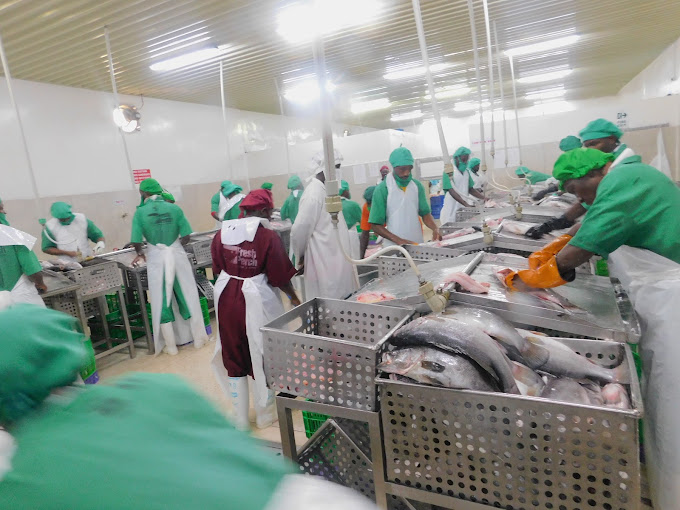
Issuing a fish hatchery permit involves a comprehensive review of the hatchery’s design, site suitability, potential environmental impacts, and effects on local fisheries. To qualify, a hatchery must meet strict standards for cleanliness, adequate space, lighting, ventilation, and pest control. Incubators must maintain optimal temperature, humidity, and air circulation as recommended by manufacturers.
By obtaining a fish hatchery permit, you demonstrate compliance with Uganda’s fisheries regulations and commitment to sustainable aquaculture. This license not only ensures legal operation but also supports the protection of aquatic resources and the production of high-quality, disease-free fish stock.