Apple’s long-awaited iPhone 17 launch has generated more controversy than excitement, drawing sharp criticism from fans and rattling investors. Unveiled during Apple’s annual “Awe-Dropping” event on September 9, the iPhone 17 series was promoted as a bold leap in design and innovation. Instead, the reception was overwhelmingly critical, triggering a noticeable dip in Apple’s stock and igniting a wave of online debate.
Fan Reactions and Design Controversy
The most contentious change is Apple’s decision to introduce a full-width camera bar on its Pro models—a move many argue makes the phone resemble Google’s Pixel or other Android devices. Social media lit up within minutes of the reveal, with memes and complaints dominating platforms like X (formerly Twitter).
“The ugliest iPhone yet,” one user wrote, capturing the general sentiment.
Adding fuel to the backlash, Apple replaced its classic black finish with Cosmic Orange and Deep Blue, which many fans criticized as garish or unrefined.
The iPhone Air, a new ultra-slim model measuring just 5.6 mm, initially attracted attention for its sleek profile. However, concerns quickly surfaced about potential compromises, such as reduced battery life and downgraded camera performance compared to the Pro models.
iPhone 17 vs. iPhone 16: Key Comparisons
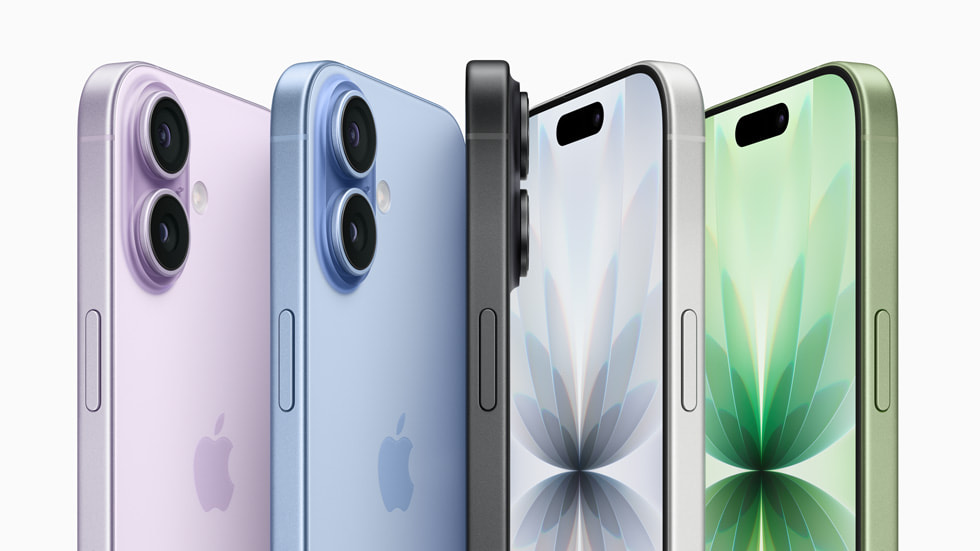
| Feature | iPhone 17 | iPhone 16 |
|---|---|---|
| Design | Full-width camera bar, slimmer bezels | Classic triple-camera bump |
| Colors | Cosmic Orange, Deep Blue, Silver, White | Black, Silver, Blue, Pink |
| New Model | iPhone Air (5.6 mm, ultra-slim) | None |
| Camera | Upgraded 48MP wide with AI enhancements | 48MP main, no AI integration |
| OS | iOS 26 | iOS 18 |
| Performance | A19 chip, 3nm process | A18 chip |
| Battery | Slightly reduced on iPhone Air | Better endurance overall |
Market Reaction: Wall Street’s Cold Shoulder
Investor disappointment mirrored fan frustration. Apple’s stock slid 1.5% immediately after the event and dropped over 3% the following day, wiping out more than $100 billion in market value.
Analysts cite several reasons:
- Incremental upgrades: Many viewed the changes as cosmetic rather than revolutionary, failing to meet expectations for groundbreaking innovation.
- Weak AI integration: Rivals are doubling down on artificial intelligence, while Apple’s event offered minimal AI-related advancements.
- Margin pressures: Apple’s decision to absorb nearly $1 billion in tariffs without raising prices worried investors about shrinking profit margins.
- Lack of surprise: With most design details leaked beforehand, the launch lacked the wow factor that has historically boosted Apple’s post-event stock performance.
Several firms downgraded their ratings for Apple, warning that its premium valuation leaves little room for missteps.
Can Apple Recover?
This isn’t the first time Apple has faced public pushback. Iconic design changes like the iPhone notch, camera bumps, and even the removal of the headphone jack were initially mocked before becoming industry norms.
Experts suggest the true measure will be consumer demand in the coming months. If the iPhone Air’s ultra-thin build resonates with users and the Pro models deliver on their promised camera upgrades, early criticism could fade. Still, with competitors advancing in AI integration and foldable devices, Apple’s more conservative design strategy could be a risky bet.
For now, fans remain skeptical and investors uneasy, leaving Apple with much to prove in its next product cycle.
READ MORE: Apple Launches iPhone 17 with Advanced Camera System and Smarter Display