
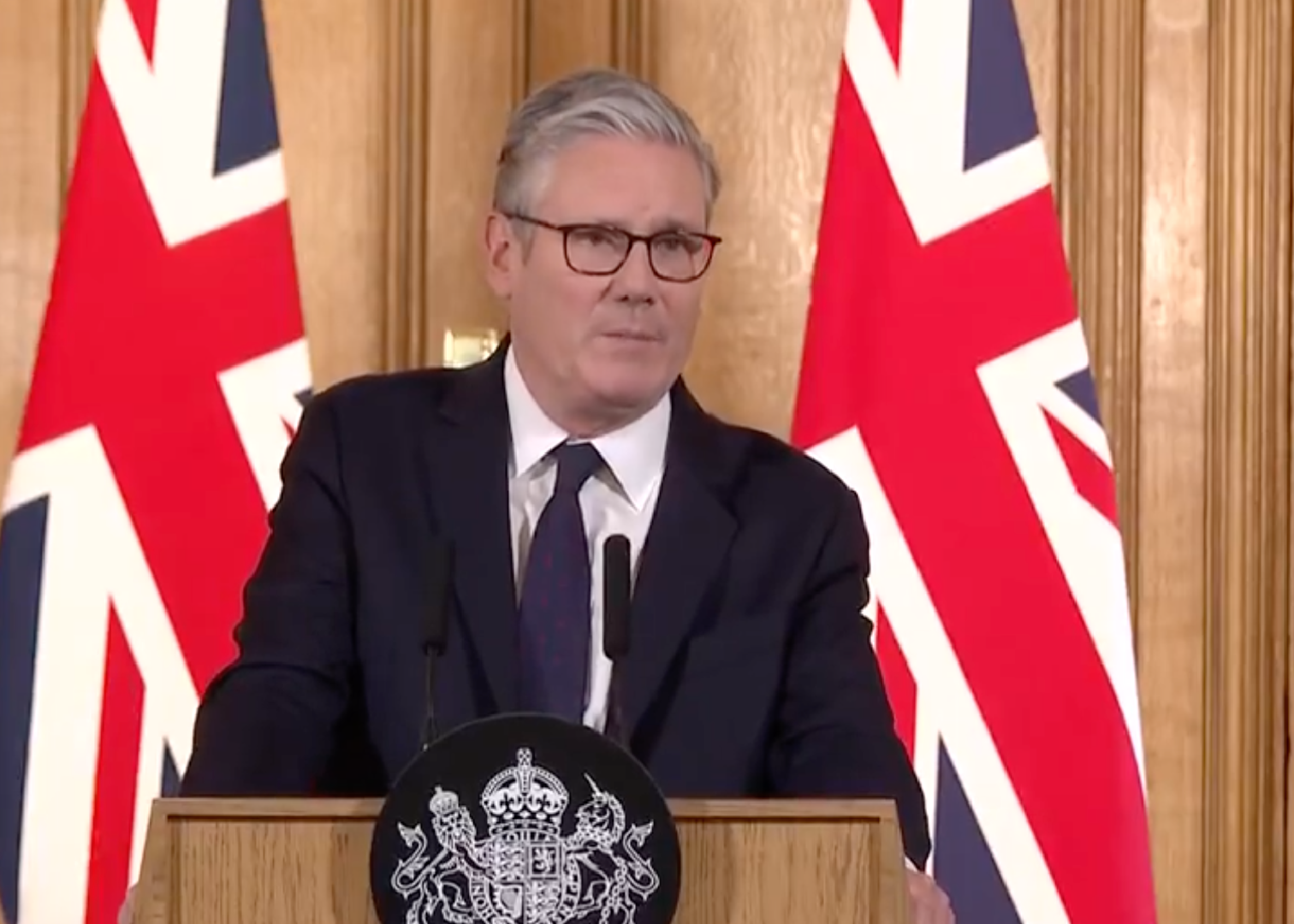
The UK social media ban for children under 16 has moved from a policy debate to a government decision, with Prime Minister Keir Starmer backing one of Britain’s toughest interventions yet against major online platforms.
The proposed ban is expected to cover large social media services including TikTok, Snapchat, YouTube, Instagram, Facebook and X. Messaging services such as WhatsApp and Signal are not expected to be covered in the same way, although the government is also looking at how children interact with strangers across gaming, livestreaming and hybrid platforms.
The move marks a sharp escalation from the government’s earlier consultation on children’s online safety. In January, ministers were still asking parents, young people and civil society groups whether Britain should restrict social media access, improve age checks and limit addictive features such as infinite scrolling and streaks.
That consultation has now produced a clearer answer. The government believes a minimum age of 16 is needed to reduce children’s exposure to harmful content, addictive design and unwanted contact from strangers.
Why Starmer is backing tougher rules
Starmer has framed the policy as a choice between protecting families and leaving the status quo in place. His argument is that technology companies have had years to make their platforms safer for children, but have not done enough to reduce harm.
The UK social media ban also reflects growing political frustration with the way platforms are built. For years, online safety debates focused heavily on content moderation, including illegal material, bullying and harmful posts. The new approach goes further by targeting access and design.
That means ministers are not only asking what children see online. They are also asking why platforms are built to keep children scrolling, clicking, watching and returning throughout the day.
Features such as algorithmic feeds, autoplay, push alerts, streaks and infinite scroll are increasingly being treated as part of the safety problem. The argument is that even when individual posts are legal, the product design can still encourage excessive use and expose children to harmful experiences.
What the ban could cover
The government’s policy is expected to apply to major platforms where users can post, share, watch or interact with public content. That puts services such as TikTok, Instagram, Snapchat, YouTube, Facebook and X at the centre of the debate.
The exact legal structure has not yet been finalised, and enforcement will be crucial. Ministers are expected to require platforms to use stronger age assurance systems to prevent children under 16 from creating or maintaining accounts.
The UK may also go further than Australia’s model by targeting features beyond traditional social media. Gaming and livestreaming platforms could face new rules designed to stop strangers from contacting children. Services that allow public chat, live interaction or algorithm-driven discovery may face closer scrutiny even if they do not look like traditional social networks.
That wider approach matters because young users often move across platforms. If a ban applies only to familiar social media apps, children may shift to gaming chats, livestreaming services or smaller platforms with weaker protections.
Australia set the global precedent
Britain is not acting alone. Australia became the first country to introduce a nationwide under-16 social media restriction, placing the responsibility on platforms rather than children or parents.
Under that model, companies can face major fines if they fail to take reasonable steps to block underage users. The Australian approach has become a reference point for other governments weighing whether age limits can work in practice.
Starmer’s government appears to be drawing from that example while considering a broader version for the UK. The challenge will be enforcement. Age checks must be strong enough to stop easy workarounds but careful enough to avoid creating new privacy risks for millions of users.
That balance will shape whether the UK social media ban becomes a workable child safety policy or a difficult law that platforms, parents and children struggle to navigate.
Tech companies face growing pressure
Technology companies are likely to resist parts of the plan, especially if they are required to collect more age-verification data or redesign core features. Platforms have long argued that age checks are difficult to apply accurately and can raise privacy concerns.
They may also warn that strict bans could push children toward smaller, less regulated services. That concern is serious, but it has not stopped governments from moving toward tougher rules.
For Big Tech, the direction is now clear. Governments are no longer satisfied with voluntary tools, parental controls or safety settings that children can easily avoid. Regulators increasingly want legal duties, enforceable standards and penalties for failure.
The UK social media ban therefore sends a message beyond Britain. It shows that child online safety is moving into a new phase, where access, product design and platform accountability are being regulated together.
A new era for child online safety
The biggest question is not whether the UK can announce a ban, but whether it can enforce one effectively. That will depend on how the government defines covered platforms, what age assurance methods are accepted, how privacy is protected and how quickly regulators can respond when children migrate to new services.
The policy also raises wider questions about children’s digital lives. Social media can expose young users to harmful content, but it can also be a place for learning, creativity, entertainment and social connection. A workable system will need to protect children without cutting them off from safe and age-appropriate online spaces.
Even with those challenges, the political shift is unmistakable. Britain has moved from asking whether children under 16 should be on major social media platforms to preparing rules that would stop them from being there.
For tech companies, the era of arguing that the problem is too difficult to regulate is fading. The UK social media ban shows that governments are increasingly willing to force the issue.