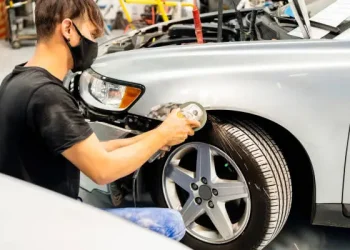

In 2026, vehicle ownership is seeing a significant shift: more drivers are opting to handle their car care themselves. What was once seen as a professional task is now an accessible and rewarding DIY project. Many start with simple tasks like browsing for car polishing pads and quickly discover how practical and enjoyable at-home maintenance can be. This shift reflects a broader cultural trend toward self-sufficiency, personalization, and long-term care for the things people rely on daily.
The Financial Benefits of DIY Maintenance
One of the main drivers behind this shift is the financial practicality of at-home car care. Professional detailing, polishing, and maintenance can be costly, especially when done regularly. While complex repairs still require experts, many drivers are now realizing they can manage routine upkeep themselves with the right tools.
The numbers speak for themselves: regular professional detailing services can quickly add up, particularly for those who want to keep their cars in pristine condition. In contrast, investing in high-quality products and tools for DIY maintenance offers long-term savings, as they can be used repeatedly. The freedom to perform upkeep as needed, without depending on professional appointments, appeals to those who want to stay within their budgets.
The Desire for Greater Control and Understanding
For modern drivers, DIY car care isn’t just about saving money—it’s about taking control of how their vehicles are maintained. Instead of handing their cars over to professionals, many drivers take pride in learning how to properly clean, polish, and care for their cars. This hands-on approach enhances their understanding of their vehicles, making them more aware of issues such as paint condition, wheel maintenance, and overall performance.
This deeper knowledge helps drivers identify potential problems early, leading to quicker, less expensive repairs. Caring for the vehicle at this level turns it into a partnership, fostering a sense of ownership and connection that goes beyond simple maintenance.
Technological Improvements Making At-Home Care Easier
The growing popularity of at-home car care is also driven by technological advancements in product design. Modern polishes, cleaning pads, and applicators are more intuitive and effective than ever before, allowing drivers to achieve professional-level results without advanced experience. These tools are ergonomically designed for comfort, and step-by-step guides and video tutorials make the process accessible to everyone.
Increased consumer education has played a major role in this trend. With more resources available, from expert blogs to online courses, drivers feel confident tackling tasks they once felt were beyond their capabilities.
Cars as Personal Expressions of Identity
In 2026, many drivers view their vehicles not just as a mode of transportation but as a reflection of their lifestyle and personal identity. A clean, polished car communicates intention and care. DIY detailing allows owners to achieve a look that perfectly matches their style and needs. Whether it’s a shiny gloss or a more matte finish, at-home car care empowers drivers to craft their desired appearance and maintain it regularly.
This connection transforms car maintenance into a creative practice rather than a chore. For many, it becomes an enjoyable ritual that strengthens the bond between driver and vehicle.
The Role of Lifestyle Shifts
As hybrid work, flexible schedules, and more time at home become the norm, many people are finding opportunities to take on tasks they once outsourced. At-home car care fits seamlessly into this slower, more intentional lifestyle. It offers a break from screens, a physical task with tangible results, and a chance to spend time outdoors. For some, it’s a weekend hobby; for others, it’s an energizing way to disconnect from daily responsibilities.
Long-Term Benefits of Proactive Care
Beyond the immediate satisfaction, proactive car care offers significant long-term benefits. Regular maintenance, such as polishing and cleaning, slows the aging process of a vehicle’s paintwork and interior surfaces. This not only keeps the car looking newer but also improves its resale value and reduces future repair costs.
By addressing concerns like oxidation, fading, and scratches early on, drivers prevent expensive fixes down the road. At-home upkeep allows them to preserve the vehicle’s condition and extend its life, which aligns with a philosophy of vehicle stewardship.
The Future of At-Home Car Care
The trend of at-home car care shows no signs of slowing down. As tools continue to improve and products become more efficient, more drivers will embrace the freedom and satisfaction that comes with maintaining their vehicles themselves. In 2026, this shift reflects self-reliance, personalization, and smart financial decisions. It’s clear that car maintenance is no longer a task to outsource, but a fulfilling part of car ownership.
At-home car care has evolved from a niche hobby into a mainstream practice, offering drivers cleaner vehicles, deeper understanding, and a stronger connection to the machines they depend on daily.