
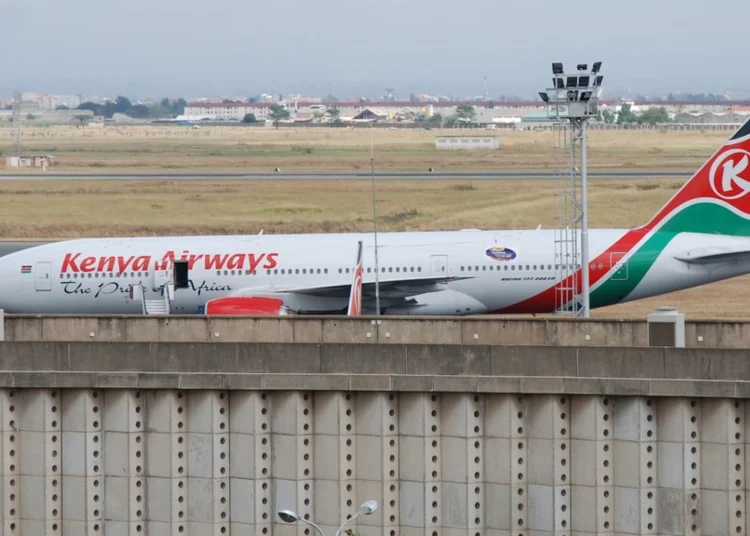
The JKIA Taxi App is Kenya Airports Authority’s latest digital initiative aimed at transforming airport transport at Jomo Kenyatta International Airport. As ride-hailing demand continues to grow, the authority is moving to create a regulated and structured taxi system within the airport ecosystem.
Through the JKIA Taxi App, Kenya Airports Authority plans to formalize taxi bookings, improve passenger safety, and unlock new revenue opportunities. This digital platform will centralize airport taxi operations under a single, controlled system managed through a public-private partnership.
The move signals a broader shift toward digital airport management. By introducing the JKIA Taxi App, the authority is responding to the increasing dominance of global ride-hailing platforms while ensuring that licensed airport taxis remain competitive and properly regulated.
JKIA Taxi App Tender and Partnership Model
Kenya Airports Authority has issued an open call inviting technology firms to design, build, and operate the JKIA Taxi App. The project will follow a public-private partnership model, allowing the selected vendor to manage the system while sharing a percentage of passenger fares with the authority.
Bidders must propose a revenue-sharing formula as part of their submission. This structure enables KAA to expand into digital mobility services without heavy upfront investment. At the same time, it creates a sustainable monthly income stream tied directly to passenger activity.
How the JKIA Taxi App Will Operate
The JKIA Taxi App will serve only licensed yellow taxis approved to operate at the airport. This restriction ensures compliance, security, and accountability within airport grounds.
Passengers will be able to book rides through:
- A KAA-branded mobile application
- A dedicated web portal
- Physical booking kiosks inside airport terminals
The platform will provide real-time fare estimates, live vehicle tracking, automated ride notifications, and a smart dispatch system. This dispatch engine will manage driver queues across terminals to reduce waiting times and prevent congestion.
Additionally, the JKIA Taxi App will support advance bookings and dynamic pricing during peak travel periods. These features will improve service efficiency while maintaining transparency for passengers.
GPS Geofencing and Airport Control
A key feature of the JKIA Taxi App is GPS-based geofencing. This technology will limit taxi operations to designated airport zones, preventing unauthorized pickups and maintaining order across terminals.
Geofencing will also help distribute taxis efficiently. Instead of clustering in high-demand areas, drivers will be guided through a structured digital queue system. As a result, passengers experience faster pickups while drivers benefit from fair allocation.
This layer of digital oversight strengthens safety standards and ensures that every ride remains traceable within the official system.
Revenue Diversification Through the JKIA Taxi App
Traditionally, Kenya Airports Authority relies on passenger service charges and aircraft landing fees. However, non-aeronautical revenue has become increasingly important for modern airports.
The JKIA Taxi App represents a strategic shift toward digital revenue generation. With millions of passengers passing through JKIA annually, even a small commission on each ride can produce substantial returns.
Currently, international ride-hailing platforms capture much of the airport transport market. By launching its own platform, KAA can reclaim part of this value while maintaining regulatory control.
Future Expansion Beyond Taxi Services
Although the initial focus is on taxi dispatch, the JKIA Taxi App is designed to evolve into a broader airport services platform.
Future integrations may include:
- Parking reservations
- Lounge bookings
- Duty-free shopping access
- Indoor navigation services
In addition, Kenya Airports Authority plans to monetize the platform through digital advertising and sponsored listings. These additions will transform the JKIA Taxi App into a comprehensive digital gateway for airport services.
Implementation Timeline and Vendor Requirements
The selected technology partner will have three months from contract signing to launch the JKIA Taxi App. This tight timeline reflects the authority’s urgency in modernizing airport transport operations.
To qualify, vendors must demonstrate experience in:
- Mobile application development
- Real-time dispatch systems
- Secure digital payments
- Scalable infrastructure management
Given the high passenger traffic at JKIA, the system must operate reliably under heavy demand.
Strategic Impact of the JKIA Taxi App
The JKIA Taxi App positions Jomo Kenyatta International Airport as a digitally managed mobility hub. By combining regulation, technology, and revenue innovation, Kenya Airports Authority aims to improve efficiency while strengthening oversight.
This initiative could also serve as a model for other regional airports seeking to digitize transport operations. As airports evolve into integrated digital ecosystems, structured mobility platforms like the JKIA Taxi App may become standard practice across Africa.
The authority’s move reflects a broader transformation in airport management, where transport, commerce, and digital services merge to enhance passenger experience and long-term sustainability.