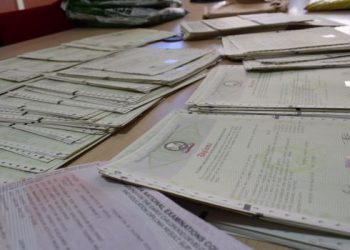

The Kenya Ports Authority (KPA) has long been considered one of the most prestigious employers in Kenya, attracting thousands of jobseekers hoping to secure a position at the heart of the country’s economic engine. However, in recent months, the online job application process at KPA has sparked frustration and disillusionment among applicants. Many jobseekers who invested significant time and resources, including internet data and hours spent on online questionnaires, have been left disappointed. From submission failures to rescheduled interviews, the digital hiring process has raised serious concerns about its fairness and effectiveness.
The Struggles of Jobseekers
For most jobseekers, applying for a job at KPA is a major investment of time, effort, and money. With the increased reliance on internet-based systems, applicants are required to complete online forms and questionnaires, which can be time-consuming. Many candidates rely on the internet to access these platforms, often using mobile data or limited Wi-Fi connections, which adds to the cost of applying for a job.
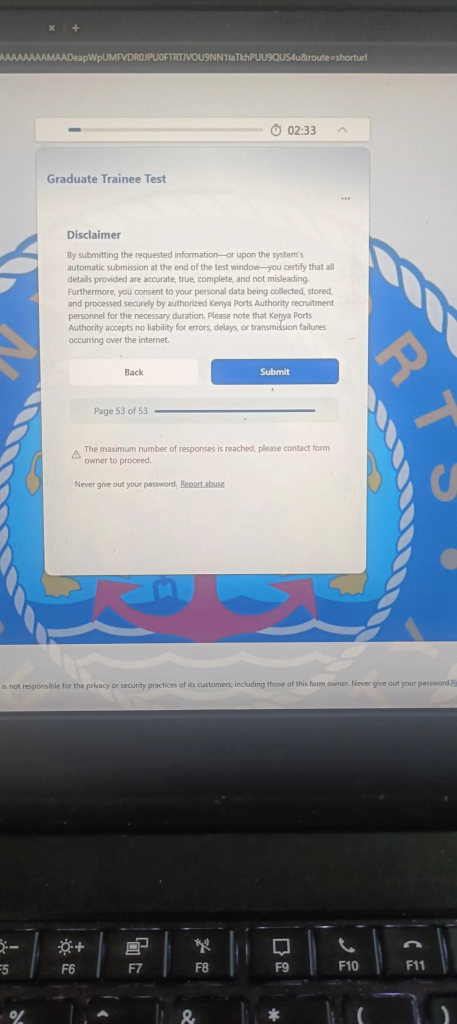
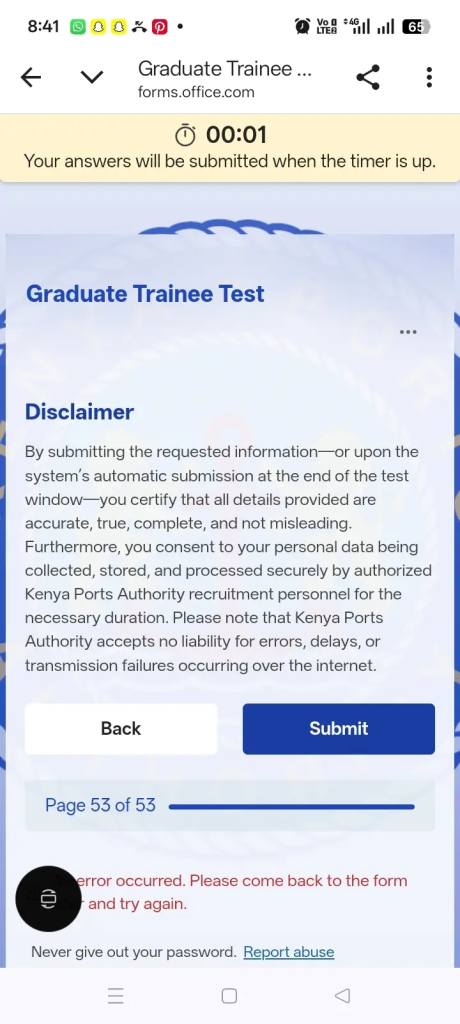
However, despite their efforts, many jobseekers have encountered technical glitches during the online submission process. Some were unable to submit their questionnaires, while others found that their applications simply disappeared before they could complete the necessary steps. These technical failures have left many frustrated, as they feel they have been unfairly excluded from the application process through no fault of their own.
Rescheduled Interviews: Adding to the Frustration
For those who managed to navigate the initial application hurdles, the problems didn’t end there. Many applicants received notifications that their interviews, which were supposed to take place at a specific time, were rescheduled without any clear explanation. Jobseekers who had prepared for these interviews—some for weeks were left in limbo, uncertain about the validity of the process and the reasons behind the delays.

The lack of communication and transparency surrounding these rescheduled interviews has only added to the frustration. Candidates, who had already invested considerable time and effort into completing the online application and preparing for their interviews, felt that their efforts were being disregarded. The repeated rescheduling of interviews created a sense of unease, leaving many wondering if the hiring process was being handled fairly or if the issues were an oversight or systematic failure.
Questioning the Fairness of the Process
As the issues with the KPA job application process mounted, many jobseekers began to openly question the fairness of the system. The frustrations were compounded by the perception that the online application process was inaccessible to certain candidates, especially those with limited internet access or technical expertise. When technical failures prevent someone from submitting their application, or when interviews are rescheduled multiple times, it raises serious doubts about whether the process is truly inclusive and fair to all applicants.
Jobseekers have also raised concerns about the validity of the process itself. When technical issues lead to lost opportunities, candidates wonder if their chances are being unfairly diminished due to circumstances outside of their control. With no clear answers or accountability from KPA, many have expressed a growing distrust in the system, feeling that the process is not being administered in good faith.
A Call for Improved Transparency and Support
To restore faith in the KPA hiring process, it’s essential that the organization addresses the issues that have plagued its online application system. Clear communication is key—candidates must be kept informed about any changes or delays in the process, and interviews should be rescheduled in a transparent and fair manner. Additionally, KPA should consider offering technical support for applicants who encounter difficulties during the application process to ensure that all candidates have an equal opportunity to apply and attend interviews.
Moreover, KPA should review its online application system for possible glitches or technical shortcomings. Ensuring that the system functions smoothly for all applicants is crucial to prevent future frustration. Jobseekers deserve a process that is fair, transparent, and efficient, where their time and effort are respected.
Conclusion
The frustrations experienced by jobseekers at the Kenya Ports Authority highlight the challenges that come with digitizing the hiring process. While online applications offer convenience, they also introduce new barriers for candidates, particularly when technical issues or lack of communication disrupt the process. For jobseekers, the KPA hiring process must be more than just an online form submission—it must be a fair, transparent, and efficient system that respects their time, effort, and aspirations. By improving transparency, communication, and support, KPA can restore confidence in its recruitment process and ensure that future jobseekers have a fair shot at securing a position within the organization.