
Apple’s reluctance to include a touchscreen in its MacBook Pro lineup has been a notable exception in a world where nearly every other laptop on the market boasts the convenience of a touch interface. But recent rumors suggest that Apple is preparing to change that, with the potential launch of its first-ever touchscreen MacBook Pro as early as the end of 2026. Could Apple finally be ready to make this leap, or will it stick with its current approach?
Apple’s Reluctance to Embrace Touchscreens
For years, Apple has stood firm in not including a touchscreen in its MacBook Pro and MacBook Air models. Despite this, the rest of the laptop market, notably in the Windows ecosystem, embraced touchscreens long ago. From mainstream laptops to premium devices, the functionality of a touchscreen has become a standard feature that many users have come to expect.
Apple, however, has not followed this trend. Instead, it has kept its MacBook series focused on a more traditional laptop experience, preferring the precision of a trackpad and the reliability of keyboard input. The absence of a touchscreen has puzzled many, but it’s a conscious decision driven by Apple’s vision for its ecosystem.
The Rumor of Thinner OLED Displays
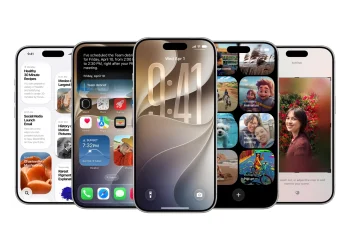
The latest rumors suggest that Apple is preparing to introduce thinner OLED displays for its upcoming MacBook Pro models, similar to those found in the iPhone and iPad. These new displays are expected to come with touchscreen capabilities, marking a significant shift for the MacBook series.
If true, this would be a major leap forward, not just in terms of hardware but also in how Apple sees its devices working together. OLED displays, known for their vibrant colors and energy efficiency, would complement the MacBook Pro’s existing premium design. Adding touchscreen functionality would not only make the MacBook Pro more versatile but could open up new possibilities for creative and professional users who rely on their laptops for graphic design, video editing, and more.
The timing of this move aligns with another exciting development—Apple’s rumored M6 chip. The new chip, expected to power the next generation of MacBook devices, would likely support the enhanced performance needed for a touchscreen interface, seamlessly integrating with macOS. This synergy between hardware and software would be key to making the touchscreen MacBook Pro a reality.
Why Apple Hasn’t Included a Touchscreen So Far
One of the primary reasons Apple has stayed away from touchscreen laptops is its desire to protect the iPad’s market. The iPad, which Apple first introduced in 2010, has been a staple in the company’s product lineup, offering a versatile tablet experience. Over the years, the iPad has become more laptop-like, especially with the addition of keyboard accessories that allow users to type and interact in a way similar to a laptop.
Despite the iPad’s impressive performance, particularly in its Pro models, Apple has consistently kept the iPad and MacBook experiences separate. There’s a significant gap between using an iPad with a keyboard and a MacBook, despite both devices running on Apple’s ecosystem. The MacBook offers a more traditional computing experience, while the iPad is often seen as a more portable, flexible device.
Apple has likely resisted turning the MacBook Pro into a touchscreen device to maintain that distinction. While an iPad with a keyboard offers a solid experience, it doesn’t replace the functionality and versatility of macOS. The iPad’s operating system, iPadOS, has evolved, but it remains different from macOS in terms of design and user experience.
The Challenge of Adapting macOS for Touchscreens
Another reason Apple has held back on touchscreen MacBooks is the software. While iPhone and iPad operating systems have borrowed features from one another over the years, macOS has remained distinct. The convergence of iOS and iPadOS has made those devices more similar in their functionality, but macOS still stands apart, with a focus on desktop computing.
For a touchscreen MacBook to work seamlessly, macOS would need to evolve. Apple would have to rethink how the system handles touch input, which is currently designed for a more traditional mouse and trackpad experience. There are other challenges, too, such as ensuring compatibility with legacy software and adapting interface elements for touch interaction. This is no small task and would require significant updates to macOS to make it truly effective for touchscreen use.
Apple’s Ecosystem and the Role of Touchscreens
Despite these challenges, rumors continue to suggest that Apple is moving towards a more integrated experience across its devices. Apple has already made strides in making iPads and Macs work more cohesively, with features like Universal Control allowing users to seamlessly switch between a Mac and an iPad with a single mouse or keyboard.
However, the key difference remains in the operating systems. iPadOS and macOS are still too distinct to allow for a simple crossover of features, and this is where the difficulties arise. While Apple’s hardware may be ready for a touchscreen MacBook, the software has not yet evolved in a way that would make this shift seamless. If the company does plan to introduce touchscreen capabilities, it’s likely that it will require significant changes to macOS to make it compatible.
The Possibility of a Touchscreen iMac
Alongside rumors about a touchscreen MacBook Pro, there have also been whispers about a potential touchscreen iMac. This would represent an even bigger departure for Apple, as the iMac has traditionally been a desktop machine built around a mouse and keyboard setup. A touchscreen iMac would be a bold move, especially in the context of Apple’s desire to differentiate its desktop machines from other touch-enabled PCs.
However, as with the MacBook, the software would need to adapt to make a touchscreen iMac effective. It’s possible that future versions of macOS will incorporate more touch-friendly features, but this would require a fundamental shift in how the operating system is designed and how it interacts with users.
The Role of the 2026 Worldwide Developers Conference
The next macOS update, expected to be announced at Apple’s 2026 Worldwide Developers Conference (WWDC), could provide more insight into Apple’s plans for a touchscreen MacBook. If the rumors are true, the next iteration of macOS may introduce the necessary features to support touchscreen input, paving the way for a more unified experience across all of Apple’s devices.
For years, many users have hoped for greater integration between Apple’s multiple operating systems. While iOS and iPadOS have moved closer together, macOS has remained distinct. The next big software update could be the turning point that makes touchscreen functionality on the MacBook a reality.
A Touchscreen MacBook Pro in 2026 or Early 2027?
Apple’s rumored touchscreen MacBook Pro could be released by the end of 2026 or early 2027, depending on the timeline for hardware and software development. While it may take time for the company to perfect the technology and ensure that macOS is ready for touch input, the potential release of a touchscreen MacBook Pro would be a game-changer in the laptop market.
For now, the rumors remain speculative, but with Apple’s track record of innovation, it’s clear that the company is not afraid to take risks and push boundaries. If a touchscreen MacBook Pro does arrive, it could mark a new era for the laptop market and further strengthen Apple’s hold on the premium device segment.