
What Does Healthy Menstruation Look Like? Key Signs and Symptoms
For many women, menstruation is simply part of life—a monthly occurrence that lasts a few days, often accompanied by minor discomfort. For others, it can be a challenging experience with painful cramps, heavy bleeding, and fatigue, sometimes making it difficult to function in daily life. But how do you know when menstrual discomfort is normal and when it might signal an underlying health issue? Understanding what constitutes healthy menstruation is key to recognizing when it’s time to seek professional advice.
Menstruation involves the shedding of the uterine lining, a process controlled by the hormones estrogen and progesterone. As the uterine lining thickens in preparation for pregnancy, ovulation occurs, and if fertilization doesn’t happen, the body sheds the lining, resulting in a period. While menstrual cycles vary from woman to woman, there are some universal markers of healthy menstruation, such as a regular cycle, manageable pain levels, and a typical flow. This article will explore the normal signs of menstruation, common menstrual conditions, and when it’s important to reach out to a doctor.
What Is a Normal Menstrual Cycle?
A healthy menstrual cycle typically spans between 21 and 35 days, from the first day of bleeding to the first day of the next period. Many women experience variations in their cycle, especially in the early years after menstruation begins. In some cases, longer cycles may be linked to hormonal imbalances, stress, or medical conditions like polycystic ovarian syndrome (PCOS) or thyroid issues. However, for most women, these variations are not a cause for concern unless other symptoms arise.
“Menstrual patterns may fluctuate due to hormonal changes over a woman’s lifetime,” explains Dr. Selina Chin, an obstetrician at KK Women’s and Children’s Hospital. “As we age, cycles tend to shorten and become more regular, although during perimenopause, irregularity may occur.” If you notice that your period is consistently shorter than 21 days or longer than 35 days, it might be time to consult a doctor.
Signs of Irregular or Abnormal Periods
Occasional changes in your menstrual cycle, such as different flow amounts or occasional cramping, are common and generally not alarming. However, Dr. Harvard Lin, a consultant obstetrician, emphasizes that if you notice your period becoming unusually irregular—either more frequent or infrequent—it’s important to seek medical attention. “Periods that occur more frequently than every 21 days or less often than every 35 days may indicate a problem,” says Dr. Lin.
While it’s easy to dismiss occasional irregularity, prolonged changes can have serious implications, such as difficulty conceiving or long-term metabolic risks like high blood pressure or diabetes. Infrequent periods can also increase the risk of uterine cancer, as less frequent shedding of the uterine lining may lead to abnormal cell growth.
What Is Healthy Menstrual Flow?
A typical period usually lasts between three and seven days, with the heaviest flow occurring during the first two days. On average, a woman loses about 30-40ml of blood during menstruation, which is roughly two to three tablespoons. However, some women experience much heavier bleeding. Dr. Selina Chin defines heavy menstrual bleeding as losing more than 80ml per cycle—equivalent to five to six tablespoons. Symptoms of heavy bleeding include soaking through more than four regular-sized pads a day or passing large blood clots.
If your period lasts longer than seven days or you experience consistent heavy bleeding, it may indicate an underlying condition such as fibroids, endometriosis, or hormonal imbalances. Additionally, signs of anemia, like fatigue or dizziness, can occur with heavy bleeding and may require medical intervention.
When to Seek Help for Menstrual Discomfort
Mild to moderate cramps are common and typically occur a day or two before or during your period. These cramps are caused by prostaglandins, chemicals that make the uterus contract to shed its lining. “Pain usually peaks before the period starts and fades as the bleeding begins,” explains Dr. Lin. However, if you experience debilitating pain that lasts for several days or disrupts your daily activities, it may signal an underlying health issue.
There are two types of dysmenorrhea, or painful menstruation: primary and secondary. Primary dysmenorrhea occurs in the teenage years and continues into adulthood, often due to excessive prostaglandin production. Secondary dysmenorrhea develops later in life and is usually linked to conditions like endometriosis, fibroids, or pelvic inflammatory disease. If the pain doesn’t respond to over-the-counter pain relief or worsens over time, it’s important to consult a healthcare provider.
Managing Menstrual Pain and Flow Issues
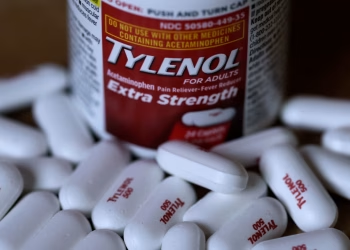
Relieving menstrual discomfort is possible with simple strategies. For mild cramping, Dr. Lin recommends using a heating pad on the abdomen or engaging in gentle exercises like yoga to ease muscle tension. Over-the-counter painkillers such as ibuprofen can help reduce cramps, but Dr. Lin advises taking them only when necessary, as frequent use can lead to side effects.
Hormonal birth control, such as oral contraceptives or implants, can also help manage menstrual pain by making periods lighter or even eliminating them entirely. For those who prefer not to use hormonal methods, lifestyle changes such as stress management, regular exercise, and a healthy diet can help alleviate some menstrual symptoms.
If you experience persistent menstrual issues or significant discomfort, seeking professional help can ensure early diagnosis and treatment, improving your quality of life. Many menstrual disorders are treatable, and with the right care, women can manage their symptoms effectively.
Learn what healthy menstruation looks like, common symptoms to watch for, and when you should see a doctor.