
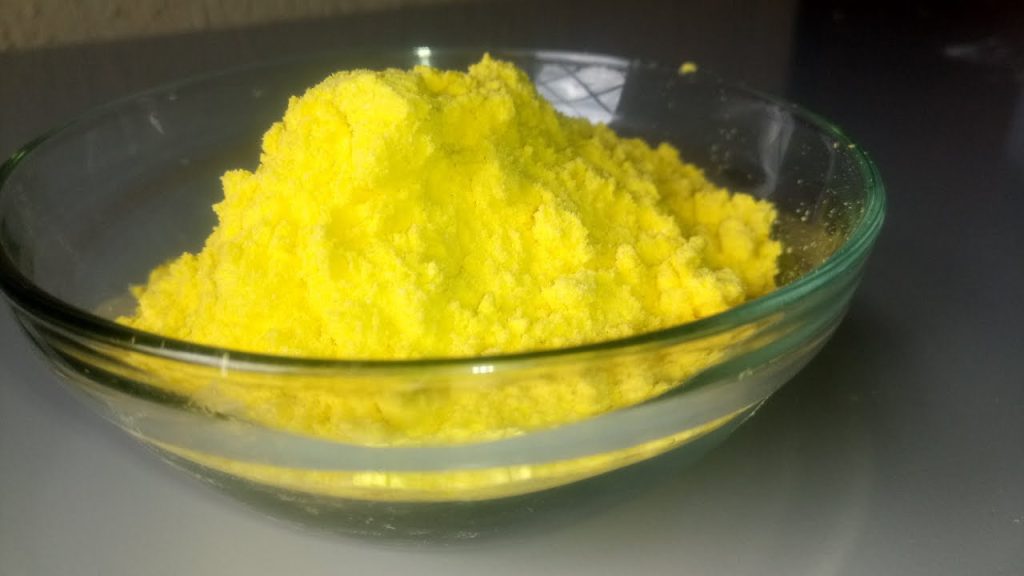
Custard powder made at home with simple pantry ingredients for smooth, creamy desserts without artificial additives.
Custard powder is a kitchen staple in many homes, especially for those who enjoy preparing desserts from scratch. Whether poured over warm sponge pudding, layered into trifles, or served alongside fresh fruit, custard adds a smooth and creamy finish that elevates simple sweets. While store-bought custard powder is widely available, making custard powder at home gives you full control over flavor, sweetness, and ingredients.
In many households across the United Kingdom and other parts of the world, custard powder remains a trusted pantry essential. It offers a convenient alternative to egg-based custard, thickening milk into a rich sauce with minimal effort. However, commercial varieties often contain artificial colorings, preservatives, and flavor enhancers. Preparing custard powder at home allows you to skip unnecessary additives while keeping the same creamy texture and bright color people love.
The process is surprisingly simple. Custard powder relies mainly on cornstarch as a thickening agent. When heated with milk, cornstarch swells and creates a smooth consistency. By combining it with milk powder, sugar, and a hint of natural flavoring, you can create a homemade custard powder that performs just as well as any packaged version. With just a few pantry staples, you can prepare a fresh batch in minutes and store it for weeks.
What Is Custard Powder Made Of
Custard powder is primarily a flavored starch mixture designed to thicken milk. Traditional custard recipes use eggs, but custard powder removes the need for fresh eggs by replacing them with cornstarch. This makes it shelf-stable and easy to use.
The essential ingredients include:
• 1 cup cornstarch
• 2 to 3 tablespoons milk powder
• 2 to 3 tablespoons powdered sugar
• ½ teaspoon vanilla powder or vanilla essence
• A small pinch of turmeric or yellow food coloring
Cornstarch acts as the thickening base. Milk powder adds creaminess and depth of flavor. Powdered sugar balances taste, while vanilla provides aroma. Turmeric is used sparingly to achieve the classic pale yellow color without affecting flavor.
How to Make Custard Powder at Home
Making custard powder at home requires careful mixing to ensure even distribution of ingredients. Start by placing the cornstarch into a clean, dry bowl. Add the milk powder and powdered sugar. Stir thoroughly using a whisk or spoon until the mixture looks uniform.
If you are adding turmeric for color, sprinkle in only a tiny pinch. Mix well to achieve a soft yellow shade. Avoid adding too much, as excess turmeric may alter the taste.
If using vanilla essence instead of vanilla powder, it is better to add it when preparing custard rather than mixing it into the dry powder. Liquid ingredients can introduce moisture, which shortens shelf life.
Sifting for a Smooth Texture
For best results, sift the custard powder mixture through a fine sieve. Sifting removes lumps and ensures the powder dissolves smoothly when mixed with milk. This step may seem minor, but it significantly improves the final texture.
Once sifted, transfer the powder into an airtight container. Store it in a cool, dry place away from humidity. Properly sealed custard powder can remain fresh for several weeks. Moisture exposure can cause clumping, so always close the lid tightly after each use.
How to Use Homemade Custard Powder
Using homemade custard powder is straightforward. Follow these steps to prepare smooth custard:
• Mix 2 tablespoons of custard powder with a small amount of cold milk to form a paste
• Heat 2 cups of milk in a saucepan
• Add sugar according to your taste preference
• Pour the custard paste into the warm milk while whisking continuously
• Cook over low heat until thick and creamy
Continuous stirring is essential. It prevents lumps and ensures even thickening. Within minutes, the mixture transforms into silky custard ready to serve.
Tips for Perfect Custard Every Time
To achieve the best consistency, always dissolve custard powder in cold milk before adding it to hot milk. Adding dry powder directly to boiling milk can create stubborn lumps.
Moreover, keep the heat low once you combine the paste with warm milk. High heat may cause uneven thickening or scorching at the bottom of the pan. Gentle cooking ensures a smooth finish.
If you prefer thicker custard, slightly increase the amount of custard powder. For a lighter consistency, reduce the quantity. This flexibility is one of the advantages of making custard powder at home.
Flavor Variations You Can Try
Homemade custard powder offers room for customization. You can experiment with subtle flavor additions such as:
• A small amount of cinnamon powder for warmth
• Nutmeg for a festive touch
• Cocoa powder for chocolate custard
• Almond extract for a nutty aroma
When adding extra flavors, maintain balance so the custard remains smooth and creamy rather than overpowering.
Why Make Custard Powder at Home
Preparing custard powder at home is not only cost-effective but also healthier. You avoid artificial stabilizers and synthetic colorings commonly found in some commercial brands. Additionally, you can adjust sweetness to suit dietary needs.
Homemade custard powder also supports mindful cooking. Instead of relying solely on packaged goods, you gain confidence in understanding how ingredients work together. Cornstarch thickens, milk powder enriches, and gentle heat activates the transformation.
For anyone who enjoys baking and dessert-making, keeping a jar of homemade custard powder in the pantry ensures you are always ready to prepare a comforting treat. From simple fruit custard to layered trifles and warm pudding toppings, this versatile ingredient proves that classic flavors do not require complicated methods.
Also Read: How to Make Chicken Pieces at Home