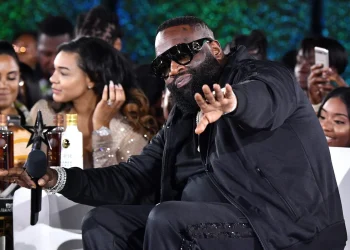

Mark Anthony Myrie, famously known as Buju Banton, was born in July 1973 in Kingston, Jamaica. One of the most influential figures in the reggae and dancehall scenes, Buju’s journey to stardom began in his early childhood. As the youngest of fifteen siblings, Buju grew up in a modest household, where music quickly became his escape and passion. His childhood nickname “Buju” is derived from the Jamaican term for breadfruit, and “Banton” reflects his formidable prowess as a lyricist.
Early Musical Beginnings
Buju’s entry into the music world started in the mid-1980s, with his debut single “The Ruler” in 1987 marking the beginning of his career. By the early 1990s, he had firmly established himself in the dancehall scene, gaining widespread attention with a string of hit singles. However, it was his groundbreaking album Mr. Mention (1992) that cemented his place in Jamaican music history, becoming the best-selling album of its time. His rapid rise led to international recognition and a record deal with Mercury Records.
Musical Evolution and Spiritual Influence
As Buju’s career progressed, so did his musical style. His early works were rooted in hardcore dancehall, but by the mid-1990s, his sound began to shift. A pivotal moment came when he converted to the Rastafari faith, influencing the more conscious and spiritual direction of his music. Albums like Til Shiloh (1995) and Inna Heights (1997) marked this transformation, earning Buju a reputation as one of reggae’s most influential artists.
Grammy Recognition
Buju Banton’s contributions to reggae music were formally recognized in 2011 when he won the Grammy Award for Best Reggae Album for his album Before the Dawn. Over the course of his career, Buju has released 12 studio albums, many of which have topped reggae charts worldwide. His music has remained relevant across generations, influencing countless emerging reggae and dancehall artists.
Legal Troubles and Controversies
Despite his musical success, Buju’s career was not without controversy. One of the most notable incidents occurred in 1992 with the release of his song Boom Bye Bye, which sparked widespread backlash due to its homophobic lyrics. His career faced further setbacks in 2009 when he was arrested in the U.S. on charges related to drug conspiracy and firearms possession. Buju was convicted and sentenced to a lengthy prison term, spending nearly a decade behind bars before being released in 2018. While his legal issues temporarily halted his career, Buju’s fanbase, particularly in Jamaica and among reggae enthusiasts globally, remained steadfast.
Return to Music and Legacy
Following his release, Buju returned to the stage with the highly successful Long Walk to Freedom tour in 2019. The tour attracted large audiences and reaffirmed his status as a reggae legend. Buju’s legacy endures, with numerous artists acknowledging his influence on their own music and careers.
Buju Banton Net Worth
As of 2025, Buju Banton’s net worth is estimated at $2 million. His wealth is derived from various sources, including album sales, live performances, international tours, and royalties from his extensive catalog of music.
READ MORE: Adèle Exarchopoulos: A Fearless Force in Contemporary French Cinema