Kenya has become one of Africa’s leading technology markets, attracting startups, international companies and investors interested in its expanding digital economy. Mobile payments, online transport services, digital content platforms and technology-driven businesses have created new opportunities for consumers and entrepreneurs. However, the experiences of several companies also highlight the challenges of operating in a market where regulatory requirements, taxation and government approvals can influence business decisions.
Over the years, companies across different industries have encountered difficulties involving licensing, tax policy, data protection and regulatory approvals. Some have closed their operations, while others have suspended particular services or warned that proposed policies could make their businesses less sustainable. These developments have raised questions about how Kenya can maintain effective oversight while supporting innovation and attracting long-term investment.
The cases differ significantly. KOKO Networks depended partly on international carbon-credit revenue to support its clean-cooking business. Transport platforms such as Swvl and Little Shuttle encountered licensing requirements, while Worldcoin faced scrutiny over biometric data collection. Twitch withdrew monetisation opportunities for Kenyan creators, and vehicle manufacturer Mobius Motors struggled with financial and production pressures.
These experiences should not be treated as evidence that regulation alone caused every business setback. Market conditions, operating costs, competition, financing challenges and individual business decisions also played important roles. Nevertheless, the cases demonstrate how regulatory uncertainty can become a significant consideration when companies decide whether to expand, invest or continue operating in Kenya.
For policymakers, the challenge is to protect consumers, enforce the law and collect taxes without creating unnecessary barriers to legitimate business activity. For companies, understanding local requirements and anticipating regulatory changes has become an important part of building sustainable operations.
KOKO Networks Closure Highlights Approval Risks

KOKO Networks shut down its Kenyan operations in January 2026 after failing to secure government authorisation required to sell carbon credits in international compliance markets, according to reports at the time.
The company built a network of automated dispensers supplying bioethanol cooking fuel to households. Its model aimed to make cleaner cooking more affordable by combining fuel distribution with technology-enabled services.
Carbon-credit revenue played a central role in the business. By monetising emissions reductions associated with cleaner cooking, KOKO sought to help subsidise the cost of fuel and cooking equipment for customers.
The absence of the required authorisation undermined a key part of that model. The company struggled to sustain its operations and entered administration, affecting employees and households that relied on its products.
However, regulatory delays were not the only challenge. Commercial pressures, supply considerations and the wider economics of the clean-cooking market also mattered.
The closure illustrates the risks faced by businesses whose financial sustainability depends on government approvals and access to international environmental markets. When a critical approval remains unresolved, the consequences can extend beyond investors to workers, suppliers and customers.
Swvl and Little Shuttle Encountered Transport Licensing Rules
Technology-enabled transport services have also faced regulatory challenges in Kenya.
In 2019, the National Transport and Safety Authority (NTSA) stopped Swvl and Little Shuttle from operating their app-based commuter services, arguing that the vehicles involved were operating under licences that did not authorise the services being provided.
Both companies allowed passengers to book seats on scheduled shuttle routes using mobile applications. Their approach offered commuters an alternative to conventional public transport arrangements.
Little Shuttle suspended its service from October 2019 while seeking regulatory clearance. Its parent company’s Little Cab taxi-hailing service continued operating.
Swvl subsequently continued pursuing the Kenyan market before suspending its commuter and intercity services in June 2022 amid difficult economic conditions. The company later withdrew from Kenya as part of a wider retrenchment.
The history of these platforms shows why licensing can become a critical issue for businesses introducing new service models. Regulators must determine how emerging platforms fit within existing transport rules, while companies need clarity about the licences required before investing in operations.
Swvl’s eventual withdrawal cannot be explained by licensing issues alone. Its broader financial and commercial circumstances also played a role. Even so, the earlier disruption demonstrated how regulatory requirements can affect the launch and continuity of app-based transport services.
Worldcoin Case Raises Data Protection Questions

Worldcoin, the biometric identity project operated by Tools for Humanity, suspended its iris-scanning registration activities in Kenya in August 2023 following government concerns about privacy, consent and biometric data collection.
The suspension halted its registration rollout while authorities examined the company’s practices.
Although prosecutors closed the criminal investigation in June 2024, the dispute over the handling of biometric information continued. In May 2025, the High Court ordered the deletion of biometric data collected from Kenyans, according to reports on the ruling.
The case highlighted the compliance responsibilities facing businesses that rely on sensitive personal information. Biometric data can be particularly consequential because it is linked to physical characteristics that cannot simply be changed like a password.
For technology companies, the lesson extends beyond identity platforms. Services that collect personal information must consider consent, data security, lawful processing and the rights of individuals from the earliest stages of product development.
Worldcoin’s case should not be described as a confirmed permanent exit from Kenya. Rather, it illustrates how regulatory intervention and court decisions can interrupt a technology rollout and require significant operational changes.
Twitch Withdrawal Affects Kenyan Content Creators
Livestreaming platform Twitch ended monetisation for Kenyan streamers effective September 30, 2025, according to reports at the time.
The decision affected creators who relied on its Partner and Affiliate programmes to earn income through eligible platform features. However, Kenyan users could still access Twitch and broadcast content, making the change a withdrawal of monetisation opportunities rather than a complete departure from the country.
Local coverage linked the move to Kenya’s evolving digital tax environment. However, Twitch did not publicly identify a specific law as the sole reason for the decision.
The development highlighted how international platform policies can affect local digital entrepreneurs even when the underlying service remains available.
For streamers and other online creators, monetisation eligibility can determine whether an audience translates into a reliable source of income. Losing access to platform payments may therefore affect content production, equipment spending and the ability to build a sustainable creative business.
The case also demonstrates the importance of distinguishing between a platform’s availability and its commercial services. A company may continue serving users in a country while limiting particular features because of regulatory, operational or commercial considerations.
Mobius Motors Struggled With Taxes and Manufacturing Costs
Mobius Motors, a Kenyan vehicle manufacturer known for developing rugged SUVs suited to local road conditions, entered voluntary liquidation in August 2024 after experiencing financial difficulties.
Reuters reported that tax increases had made the company’s business model unsustainable, citing a shareholder source. Mobius considered moving its Nairobi assembly operations outside Kenya but concluded that relocating production would be too difficult.
Tax pressures were only part of the wider commercial picture. Local vehicle manufacturing requires significant investment in production facilities, supply chains, components and distribution. Manufacturers must also compete with imported vehicles, including lower-priced second-hand cars.
These conditions can make it difficult for locally assembled vehicles to compete on price while maintaining sustainable margins.
Mobius’ closure raises broader questions about the environment for domestic manufacturing. Businesses seeking to produce goods locally need predictable tax policies, access to financing, efficient supply chains and sufficient consumer demand.
At the same time, a company’s failure cannot automatically be attributed to government policy alone. The interaction between taxation, production costs, competition and management decisions determines whether a particular business model can survive.
Uber and Bolt Warned About Proposed Digital Taxes
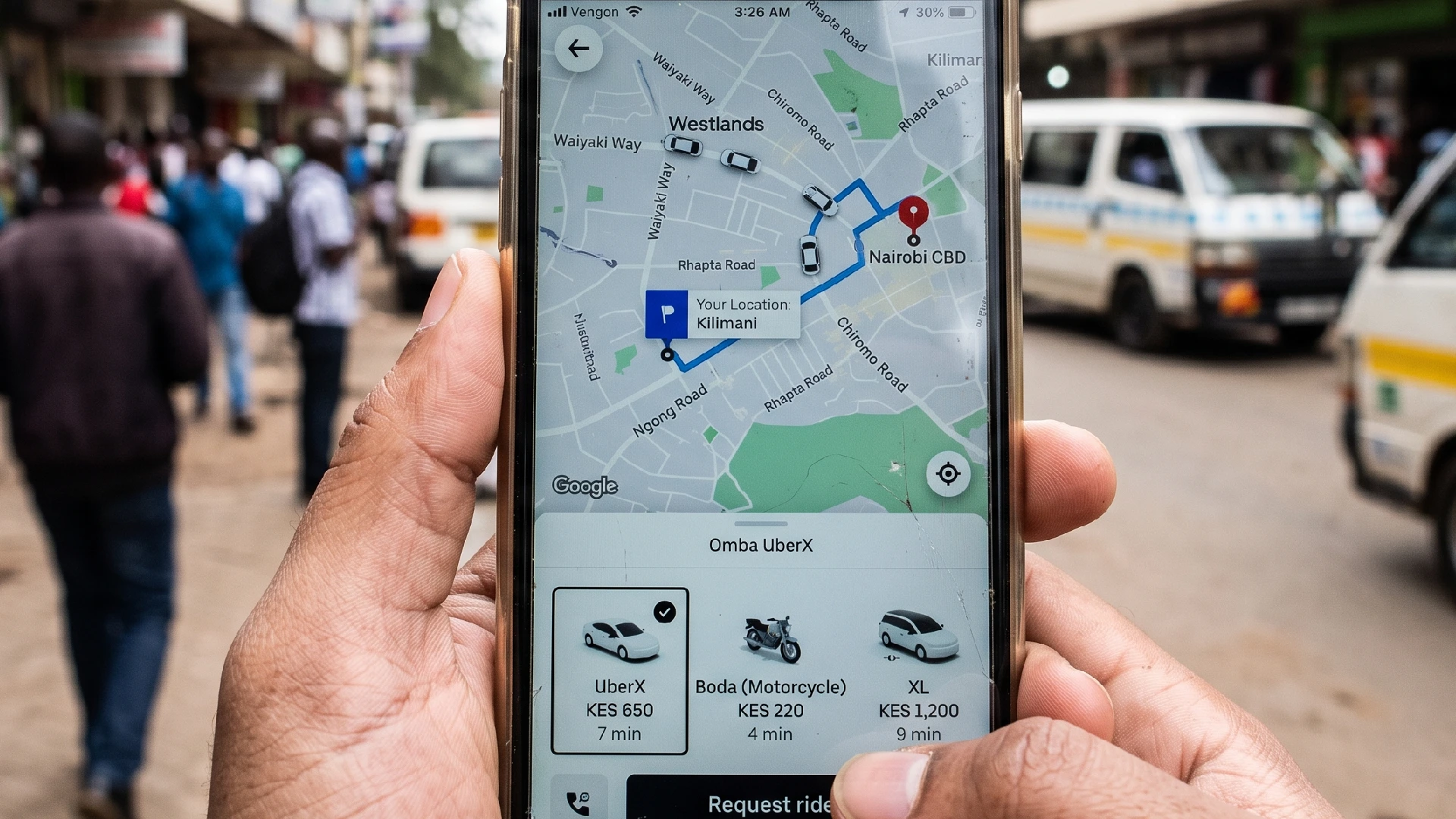
Kenya’s tax policies have also prompted concerns from major ride-hailing companies.
In 2024, Uber and Bolt warned lawmakers that a proposed 6% Significant Economic Presence Tax could make their Kenyan operations unsustainable. The proposal appeared in the Finance Bill 2024 and targeted gross turnover rather than profits, raising concerns among digital businesses operating on relatively narrow margins.
A tax based on turnover can affect a company differently from one based on profit because the liability may apply even when operating expenses leave the business with a limited financial surplus.
Uber and Bolt argued that the additional burden could threaten their operations. However, the proposal changed during the legislative process, and both platforms continued operating in Kenya.
The episode demonstrates that regulatory uncertainty can influence business confidence even when a threatened exit does not happen. Companies may reconsider investment plans, pricing strategies or future expansion when the cost of complying with proposed rules remains uncertain.
It also shows why proposed legislation must be distinguished from enacted law. A policy announced during a budget process may be amended, withdrawn or replaced before it takes effect.
Kenya Must Balance Regulation With Innovation
The experiences of KOKO Networks, Swvl, Little Shuttle, Worldcoin, Twitch and Mobius Motors reveal different challenges facing technology-driven and innovative businesses in Kenya.
KOKO’s closure involved a critical approval linked to carbon-credit revenue. Transport platforms encountered licensing requirements. Worldcoin faced data protection scrutiny, while Twitch’s monetisation withdrawal affected local creators. Mobius struggled with taxation and the economics of vehicle manufacturing, and Uber and Bolt raised concerns about a proposed digital tax.
These cases do not establish that regulation is the sole cause of every shutdown or service withdrawal. Each company operated under different commercial conditions and faced a distinct combination of challenges.
Effective regulation remains necessary to protect consumers, improve safety, safeguard personal information and ensure businesses meet their tax obligations. The challenge is to make the rules clear, proportionate and predictable, with transparent approval processes and timely communication when requirements change.
For Kenya, this balance matters because investors assess more than market size and customer demand. They also consider the cost of compliance, the predictability of government decisions and the time required to secure approvals.
A regulatory environment that protects the public while allowing legitimate businesses to plan and innovate can support long-term investment. The central issue is not whether technology companies should be regulated, but how regulation can achieve its objectives without creating avoidable uncertainty for businesses, workers and consumers.