
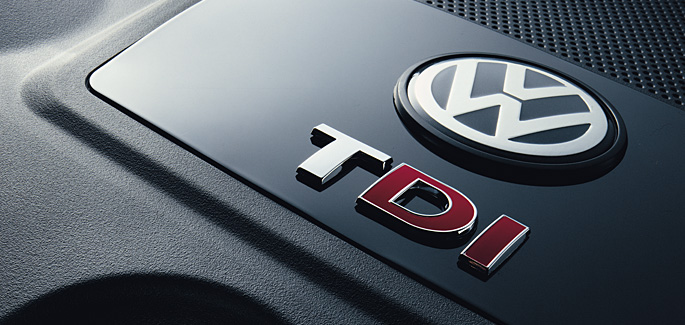
The automotive industry loves its acronyms GTI, TDI, TSI, VVT‑i and it’s easy to feel left behind when a badge appears on your car and you don’t know what it signifies. Many abbreviations reflect specific engine or drivetrain technologies, performance trims, or brand heritage. In this guide, we’ll explain the most common ones, clarify what they mean in real‑world terms, and explore why manufacturers use them.
Key Abbreviations Explained
GTI – Grand Touring Injection
Originally from Volkswagen, GTI denotes a sporty, direct‑injection petrol engine. Often seen on models like the Golf GTI, this badge signals enhanced performance built for spirited driving,
TSI, TFSI, and FSI
- TSI stands for Turbocharged Stratified Injection. It refers to petrol engines with turbocharging and layered fuel injection to maximize efficiency and torque, especially at lower RPM. Common in newer Volkswagen, SEAT, and Škoda models,
- TFSI (Turbo Fuel Stratified Injection) is used mostly by Audi and functionally equivalent to TSI.
- FSI stands for Fuel Stratified Injection, a predecessor direct‑injection system without turbocharging, used in some earlier VW and Audi petrol engines,
TDI – Turbocharged Direct Injection
A diesel engine configuration developed by Volkswagen Group, combining turbocharging and direct fuel injection. TDI engines are known for fuel efficiency, torque, and long-term reliability. They often use a common‑rail fuel system and intercooler.
D‑4D and DI‑D
- D‑4D is Toyota’s Direct Injection 4‑Stroke Common Rail Diesel system, offering clean diesel power with minimal emissions.
- DI‑D stands for Direct Injection for Denso Mitsubishi’s branded common‑rail diesel system, providing smooth, efficient performance.
VVT‑i – Variable Valve Timing with Intelligence
Developed by Toyota, VVT‑i adjusts the timing of intake valves via oil pressure and an actuator. This improves engine efficiency, torque, and emissions across varying driving conditions.
V6 / V8
These refer to engines with six or eight cylinders arranged in a V shape. V6 engines are generally lighter and more compact, while V8s provide greater horsepower and are often used in performance or towing applications.
Why These Badges Matter
- Performance cues: GTI, TSI, TFSI, V6/V8 badges signal enhanced driving dynamics or powertrain features.
- Fuel type & efficiency: TDI, D‑4D, DI‑D indicate diesel engines with modern fuel injection, often delivering better economy and torque.
- Technology signals: VVT‑i, FSI, TFSI suggest newer valve or fuel‑delivery systems designed for performance and emissions control.
Adding Clarity: Additional Notes
- Red “SI” or “T” badges seen on GTI or TDI models often indicate performance variants within that trim family.
- Differences between petrol and diesel acronyms: GTI/TSI/TFSI typically refer to petrol options, while TDI, D‑4D, DI‑D are diesel.
- Badge evolution: Technology naming often evolves (e.g. FSI → TFSI/TSI) but many systems retain core similarities. Differences between TSI and TFSI are often branding more than functional distinction.
Table Summary
| Acronym | Meaning | Typical Usage |
|---|---|---|
| GTI | Grand Touring Injection | Sportier VW models (e.g., Golf GTI) |
| TSI / TFSI | Turbocharged Stratified Fuel Injection | VW Group petrol engines (efficient torque) |
| FSI | Fuel Stratified Injection | Early VW/Audi direct‑injection engines |
| TDI | Turbocharged Direct Injection (Diesel) | VW Group diesel engines |
| D‑4D | Toyota common‑rail direct-injection diesel | Toyota Hilux and other Toyota diesels |
| DI‑D | Mitsubishi direct-injection diesel | Mitsubishi diesel engines |
| VVT‑i | Variable Valve Timing (Toyota) | Valve timing system for efficiency |
| V6 / V8 | Cylinders in V formation | Engine size and configuration |