
ClimCam launch places Kenya at the forefront of African space innovation with a climate-focused payload headed to the ISS via SpaceX
The ClimCam launch represents a defining moment for Kenya and the wider African continent as it steps deeper into the global space ecosystem. For decades, space exploration has largely been dominated by a handful of advanced economies. However, this upcoming mission signals a shift, where African nations are not just participants but contributors to cutting-edge space science. With climate challenges intensifying across the region, the timing of this mission adds urgency and significance to its objectives.
Across Eastern Africa, governments and institutions are increasingly turning to technology to address environmental pressures. From prolonged droughts to unpredictable rainfall patterns, the region faces growing risks tied to climate change. The ClimCam launch directly responds to these challenges by placing an advanced observation tool in orbit. This tool is expected to deliver near real-time insights that can guide decision-making across sectors such as agriculture, disaster response, and resource management.
Moreover, the project reflects a broader trend of collaboration. Rather than working in isolation, African space agencies are pooling expertise and resources. This cooperative model strengthens technical capacity while accelerating innovation. The ClimCam launch is therefore more than a single event. It is a signal of how partnerships can drive progress in emerging industries, especially those with global impact like space technology.
ClimCam Launch and Mission Overview
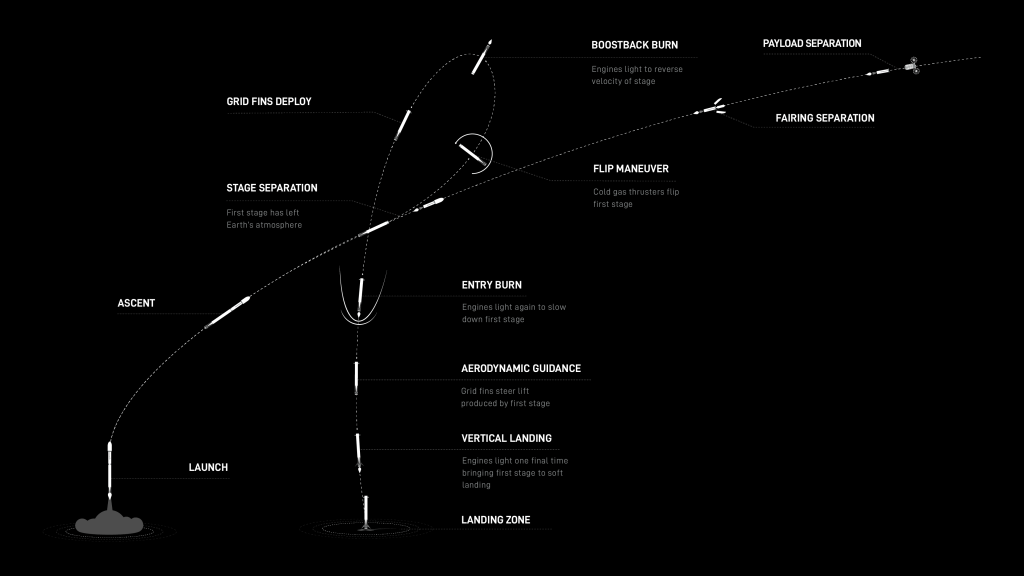
The ClimCam launch is scheduled to take place aboard a SpaceX Falcon 9 rocket as part of the Cygnus NG-24 resupply mission. This mission is operated by Northrop Grumman and will deliver cargo to the International Space Station.
The launch will occur at Cape Canaveral in Florida, a historic hub for space missions. Once deployed, the ClimCam payload will be installed on the ISS, where it will begin collecting valuable environmental data.
If any delays occur due to weather or technical conditions, backup launch opportunities are already planned. This ensures that the mission maintains flexibility while prioritizing safety and precision.
African Collaboration Behind ClimCam
A key highlight of the ClimCam launch is the collaboration between three African space programs. The project brings together the Kenya Space Agency, Egypt’s space agency, and the Uganda Space Program.
The payload underwent assembly and testing in Cairo before being validated in the United States. This multi-stage process ensured that ClimCam meets international standards for space operations.
Additionally, the initiative was supported by the United Nations Office for Outer Space Affairs through its Access to Space for All program. This program aims to expand participation in space activities by providing opportunities to emerging space nations.
How ClimCam Will Work in Orbit
Once operational, the ClimCam payload will be mounted on the Bartolomeo platform attached to the ISS. This platform allows external experiments to collect data directly from space.
The ClimCam launch enables the deployment of a compact yet powerful imaging system. It uses artificial intelligence to process climate and weather data in near real time. This capability is critical because it reduces delays in data analysis and improves responsiveness.
The system will monitor environmental patterns across Eastern Africa. By doing so, it can help identify early warning signs of extreme weather events such as floods and droughts.
Why ClimCam Matters for Climate Response
The importance of the ClimCam launch lies in its direct impact on climate resilience. African countries are among the most vulnerable to climate change, yet they often lack access to high-quality data.
With ClimCam, governments and agencies will gain better visibility into environmental changes. This information can support disaster preparedness, allowing faster and more effective responses.
For example, accurate weather data can help farmers plan planting seasons more effectively. Similarly, disaster management teams can use real-time insights to coordinate emergency responses during floods or storms.
Strategic Importance for Kenya and Africa
The ClimCam launch also strengthens Kenya’s position as a growing hub for space innovation. By participating in this mission, Kenya demonstrates its ability to contribute to global scientific efforts.
This achievement could attract further investment into the country’s space and technology sectors. It may also inspire more partnerships between African nations and international organizations.
Beyond Kenya, the mission highlights Africa’s expanding role in space exploration. As more countries invest in space programs, the continent is likely to play a larger role in addressing global challenges through technology.
Expanding Access to Space Technology
The success of the ClimCam launch underscores the importance of initiatives that promote inclusive access to space. Programs like those led by UNOOSA provide critical support to countries that are building their space capabilities.
By lowering barriers to entry, these initiatives enable more nations to benefit from space-based technologies. This is especially important for regions where data-driven solutions can significantly improve livelihoods.
The Future of African Space Missions
Looking ahead, the ClimCam launch could pave the way for more ambitious projects. As expertise grows, African countries may develop their own satellites and expand their research capabilities.
This trajectory aligns with global trends where space technology is increasingly used to solve real-world problems. From climate monitoring to communication systems, the applications are vast and continually evolving.
For now, ClimCam stands as a powerful example of what collaboration and innovation can achieve. It signals a future where Africa plays a central role in shaping the next era of space exploration and environmental intelligence.