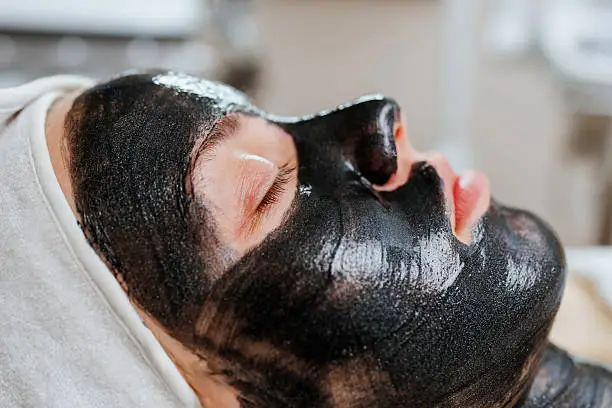
Charcoal mask treatments help draw out impurities, balance oil, and refresh your skin using simple, natural ingredients at home.
Charcoal mask treatments have become a popular addition to modern skincare routines, and for good reason. A charcoal mask is known for its ability to draw out dirt, oil, and surface impurities, leaving skin looking clearer and feeling refreshed. In recent years, beauty enthusiasts and dermatology experts alike have highlighted the benefits of activated charcoal in maintaining balanced skin. As skincare awareness grows globally, more people are choosing natural, affordable options that they can prepare at home.
A charcoal mask works by binding to impurities on the skin’s surface. Activated charcoal has a porous structure that attracts excess oil and debris. This makes it especially useful for people with oily or combination skin. However, when blended with gentle ingredients, a charcoal mask can also suit those with sensitive or dry skin. Instead of relying solely on store-bought products, many individuals now prefer making their own skincare treatments to control ingredient quality.
Learning how to make a charcoal mask at home offers both convenience and cost savings. You can customize the formula based on your skin type and avoid unnecessary additives. Moreover, preparing a charcoal mask yourself ensures you use fresh ingredients. With proper mixing, safe application, and consistent use, this simple skincare solution can support a clearer and smoother complexion.
Why a Charcoal Mask Benefits Your Skin
A charcoal mask helps remove surface impurities and excess oil. Because activated charcoal absorbs toxins and debris, it can reduce clogged pores. As a result, skin may appear smoother and less congested.
Additionally, a charcoal mask may support a balanced complexion. Excess oil often contributes to breakouts. By absorbing surplus oil, charcoal helps reduce shine without overly stripping the skin. However, moderation is essential. Overusing a charcoal mask may lead to dryness.
Furthermore, charcoal masks provide a gentle exfoliating effect during removal. When rinsed off carefully, the mask can help eliminate dead skin cells. This leaves the face feeling soft and refreshed.
Ingredients for a Safe Charcoal Mask
Before preparing your charcoal mask, gather high-quality ingredients. Always use cosmetic-grade activated charcoal intended for skincare. Avoid charcoal designed for grilling or other non-cosmetic uses.
You will need:
1 teaspoon activated charcoal powder
1 tablespoon bentonite clay or plain yogurt
1 to 2 teaspoons water or rose water
Small mixing bowl
Spoon or brush for application
Clean towel
Bentonite clay works well for oily or acne-prone skin. It enhances oil absorption and deep cleansing. In contrast, plain yogurt provides moisture and mild exfoliation, making it suitable for dry or sensitive skin.
How to Mix a Charcoal Mask Properly
Begin by placing the activated charcoal powder into a clean bowl. Add bentonite clay or yogurt depending on your skin type.
Next, slowly pour in water or rose water while stirring continuously. Mix thoroughly until you achieve a smooth, paste-like consistency. The charcoal mask should feel thick yet spreadable. If the mixture appears too dry, add a few drops of water. If it becomes too thin, incorporate a small amount of clay or yogurt.
Ensure the mixture is lump-free. A smooth charcoal mask spreads more evenly across the skin, which improves results.
How to Apply a Charcoal Mask Safely
Before applying the charcoal mask, cleanse your face gently. Clean skin allows the mask to work effectively. Pat your skin dry using a soft towel.
Using a brush or clean fingertips, apply a thin and even layer of the charcoal mask. Avoid sensitive areas such as around the eyes, eyebrows, and lips. These areas are delicate and may react differently.
Allow the charcoal mask to sit for 10 to 15 minutes. You may notice slight tightening as it begins to dry. However, do not let the mask dry completely into a hard layer, especially if your skin is sensitive. Over-drying can cause irritation.
Removing the Charcoal Mask and Aftercare
To remove the charcoal mask, use warm water and a soft cloth. Gently massage your skin in circular motions. This step helps remove all residue while lightly exfoliating the surface.
After rinsing, pat your face dry carefully. Since a charcoal mask absorbs oil, applying a lightweight moisturizer is important. Moisturizing restores balance and keeps your skin hydrated.
If you have sensitive skin, perform a patch test before full application. Apply a small amount of the charcoal mask on your inner wrist and wait 24 hours to check for reactions.
How Often to Use a Charcoal Mask
Using a charcoal mask once or twice a week is usually sufficient. Regular but moderate use supports clearer skin without causing dryness. Daily use is not recommended, as it may disrupt your skin’s natural moisture barrier.
For oily skin, weekly use can help manage shine. For dry or sensitive skin, using a charcoal mask less frequently may be more suitable.
Tips for Better Results
Consistency improves outcomes. Incorporate the charcoal mask into a balanced skincare routine that includes cleansing, moisturizing, and sun protection.
Hydration also plays a role in healthy skin. Drinking adequate water and maintaining a balanced diet supports overall skin health. While a charcoal mask helps externally, overall care strengthens long-term results.
By preparing your own charcoal mask at home, you gain control over ingredient quality and customization. With proper mixing, safe application, and thoughtful aftercare, a charcoal mask can become a simple yet effective addition to your skincare routine.
Also Read:How to Make Black Men’s Hair Grow Faster: Tips for Strong, Healthy Hair