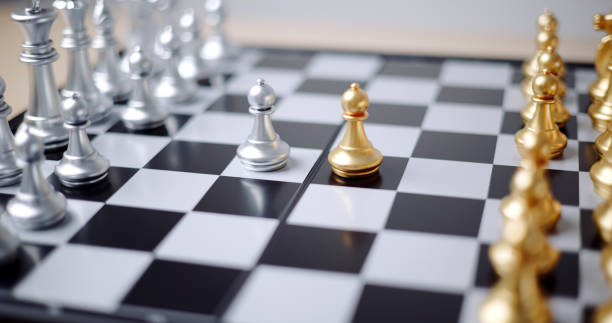
Chess stalemate is a common source of frustration for players who have worked hard to build a winning position, only to see the game end in a draw. It happens when the player whose turn it is has no legal move available, but their king is not in check. Unlike checkmate, which secures a win, stalemate immediately ends the game without a winner.
Understanding Chess Stalemate and Why It Matters
Learning how to avoid chess stalemate is an important skill for beginners and experienced players alike. Having more pieces, a powerful queen or a clear material advantage does not automatically guarantee victory. Players must understand how their moves affect the opponent’s legal options, especially during the endgame.
Stalemate often occurs when one player has reduced the opponent’s king to just a few squares but fails to deliver checkmate. A queen or rook may control too many escape squares, leaving the opposing king with nowhere to move. If the king is not under attack and no other legal move exists, the position is a draw.
However, stalemate is not always a mistake by the player who is winning. A player in a losing position may deliberately seek a stalemate to escape defeat. Recognising these possibilities helps you protect your advantage and avoid giving your opponent an unexpected result.
The key is to understand the difference between restricting a king’s movement and delivering checkmate. In a successful checkmate, the king is under attack and cannot escape. In a stalemate, the player has no legal move, but the king is not under attack.
Fortunately, avoiding stalemate becomes easier with practice. Careful calculation, knowledge of basic checkmating patterns and an understanding of king-and-queen endgames can help you finish games accurately. Reviewing your mistakes also reveals patterns that you can correct in future matches.
Whether you play casually with friends or compete in online tournaments, the following 15 strategies can help you recognise stalemate risks, preserve winning positions and convert your advantage into a decisive result.
1. Understand the Rules of Stalemate
The first step towards avoiding stalemate is knowing exactly when it occurs.
Under the standard rules of chess, stalemate happens when the player whose turn it is has no legal move and their king is not in check. The result is a draw, regardless of how many pieces the other player has.
For example, imagine your opponent has only a king remaining while you have a king and queen. If you restrict every legal square around the opposing king without attacking it, you may accidentally create a stalemate.
Remember these essential distinctions:
- Checkmate: The king is in check and no legal move can escape the attack.
- Stalemate: The king is not in check, but the player has no legal move.
- Draw: The game ends without a winner, including when a stalemate occurs.
Understanding these rules helps you evaluate endgame positions before making decisive moves.
2. Consider Your Opponent’s Legal Moves
Before moving a powerful piece, examine the position from your opponent’s perspective.
Ask yourself which legal moves will remain available after your move. This is particularly important when your opponent has only a king and perhaps one or two pawns.
A useful habit is to check the opposing king’s escape squares and determine whether any remaining pieces can move. Do not assume that restricting the king is always beneficial.
When your opponent is not in check, removing their final legal move can produce an immediate draw.
Thinking one move ahead is helpful, but calculating your opponent’s possible replies is even more important. This approach allows you to maintain control without accidentally ending a winning game.
3. Avoid Trapping the King Without Delivering Check
Controlling the opposing king’s movement is a central part of many checkmating techniques. However, you must restrict its escape squares carefully.
When your opponent has only a king remaining, pay close attention to the squares your queen, rook and king control. If the king cannot move anywhere and is not in check, you have created a stalemate rather than a victory.
Instead, use a systematic approach. Gradually drive the opposing king towards the edge of the board while preparing a position in which your final move delivers checkmate.
Do not rush to surround the king completely. Make sure your attacking pieces work together and that the final position satisfies the rules of checkmate.
4. Use Your Queen Carefully
The queen is one of the most powerful pieces in chess, but its strength can become a disadvantage when you use it carelessly in a winning endgame.
Because the queen controls ranks, files and diagonals, a single move can remove several escape squares simultaneously. This makes it easy to restrict the opposing king too much.
When you have a queen against a lone king, use the queen to reduce the opponent’s available space gradually. Keep your own king close enough to help control escape squares when appropriate.
Before making a queen move, consider whether it leaves the opponent with a legal response. If the move removes every legal option without giving check, reconsider your plan.
The objective is not merely to trap the king. It is to create a position where the king is attacked and cannot escape.
5. Learn Basic Checkmating Patterns
Learning standard checkmating techniques reduces the risk of accidental stalemate. These patterns show you how to coordinate your pieces and finish a winning game efficiently.
Start with common endgames, including:
- King and queen versus a lone king.
- King and rook versus a lone king.
- Two rooks versus a lone king.
- Other basic mating positions appropriate to your level.
Practise each pattern until you understand how to restrict the opposing king while maintaining the correct attacking position.
For example, a king and queen can force the opposing king towards the edge of the board. Your king then helps control escape squares while the queen delivers the final checkmate.
Understanding the sequence of moves is more useful than memorising a final position alone. It teaches you how to respond when the opponent moves differently than expected.
6. Bring Your King Closer During the Endgame
Players sometimes rely entirely on their queen or rook to finish a game. However, bringing your king closer can make the process more controlled and accurate.
In many basic endgames, your king helps cover escape squares that your other pieces cannot control safely on their own.
For example, when using a queen against a lone king, the queen can restrict the opposing king’s movement while your king approaches to support the final mating position.
Move carefully, however. Your king should help coordinate the attack rather than accidentally remove every legal move before checkmate is delivered.
Practising king coordination improves your understanding of endgame positions and makes it easier to convert a material advantage into a win.
7. Think Before Capturing the Opponent’s Last Piece
Capturing an opponent’s remaining pieces may seem like the fastest route to victory. However, removing the last movable piece can sometimes create a stalemate.
Consider a position in which your opponent has a king and a pawn. If you capture the pawn, the king may have no legal move remaining. If it is not in check, the game ends in a draw.
Before making a capture, examine the resulting position carefully. Check whether the opposing king will still have a legal move and whether any remaining piece can move.
This does not mean you should avoid captures automatically. Instead, calculate the consequences before removing a piece that may be keeping the game alive.
A winning position deserves the same attention to detail as any complicated tactical sequence.
8. Check the Opponent’s Remaining Pawns
Pawns can play an important role in endgames, even when they appear insignificant compared with a queen or rook.
A remaining pawn may provide the opponent with a legal move, preventing stalemate. However, its presence does not guarantee that the position is safe.
Before capturing an opposing pawn, examine whether the capture leaves the king without legal moves. Also consider whether the pawn can advance, capture one of your pieces or create another tactical possibility.
Sometimes, maintaining the pawn temporarily can help you prepare a more accurate checkmating sequence.
Always evaluate the entire position rather than focusing only on material. A small piece can influence the result of a game more than its value might suggest.
9. Calculate Your Final Move Carefully
The final stages of a winning game require patience and accurate calculation.
Before making a move that appears to finish the game, ask yourself three questions:
- Is the opposing king in check after my move?
- Does the opponent have any legal moves?
- If no legal moves remain, is the king actually in check?
These questions help distinguish checkmate from stalemate.
If the king is not in check and the opponent has no legal move, your move produces a draw. You should therefore reconsider the position before committing to it.
This simple checklist is particularly useful when playing with a large material advantage. The more powerful your pieces are, the more carefully you should examine how they control the board.
10. Recognise the Difference Between Checkmate and Stalemate
Although checkmate and stalemate can look similar on the board, the difference is decisive.
In checkmate, the king is under attack and cannot escape through any legal move. In stalemate, the player has no legal move, but their king is not under attack.
This distinction matters because chess rewards the checkmate position with a win, while stalemate produces a draw.
When analysing an endgame, do not simply count the squares surrounding the king. Determine whether the king is attacked and whether the player has another legal move available.
Understanding this distinction helps you identify dangerous positions before they occur.
11. Practise King-and-Queen Endgames
A king and queen against a lone king is a useful position for learning how to avoid stalemate.
Set up the position on a chessboard or use an online practice board. Start with the opposing king near the centre and practise driving it towards the edge.
Use the queen to restrict movement while keeping enough distance to avoid unnecessary stalemate risks. Bring your king closer when needed to support the final attack.
During practice, focus on the purpose of each move. Ask yourself which squares your pieces control and whether the opponent retains a legal response.
Repeat the exercise from different starting positions. Regular practice can help you recognise the correct sequence more quickly during actual games.
12. Review Games With Chess Analysis Tools
Reviewing your games is one of the most effective ways to identify stalemate mistakes.
Many online chess platforms provide analysis tools that evaluate positions and highlight missed opportunities. Chess engines can help you identify when a move turns a winning position into a draw.
After a game, find the position where the result changed. Examine the move that caused the stalemate and compare it with alternative moves.
Pay particular attention to the squares controlled by your queen, rook and king. This can reveal whether you restricted the opponent too much or missed an opportunity to deliver check.
Keep a record of recurring mistakes. Reviewing similar positions over time helps you develop better calculation habits and improve your endgame technique.
13. Stay Patient When You Have a Winning Position
Having a material advantage can create a false sense of security. Players may rush because they believe the result is already decided.
However, a winning position still requires accurate play. One careless move can allow an opponent to escape with a draw.
Take your time before each move, especially when the opposing king has very few legal squares. Examine possible replies and make sure your plan leads towards checkmate.
If you are unsure about a move, consider whether another approach would maintain your advantage with less risk.
Patience does not mean playing slowly without purpose. It means giving important positions enough thought to avoid preventable mistakes.
14. Watch for Stalemate Traps
Players in a losing position may look for opportunities to force a draw. Stalemate can provide one such opportunity.
For example, an opponent may move their king into a corner where it has very few legal squares. They may also use a pawn move or sacrifice a piece to influence the position.
When your opponent has limited material, consider whether their moves are creating a stalemate opportunity. Check your planned response carefully before capturing their last piece or blocking their final escape square.
You should also recognise that not every unusual move is a trap. The important skill is to calculate the resulting position rather than make assumptions.
By looking for stalemate possibilities, you can protect your advantage and avoid giving away a draw.
15. Confirm Checkmate Before Ending the Game
Before concluding that you have won, verify that the position meets the definition of checkmate.
The opposing king must be in check, and the player must have no legal move that escapes the attack. If the king is not in check and the player has no legal move, the result is stalemate.
Develop a habit of checking the final position instead of assuming that a trapped king means victory.
This is particularly valuable in fast online games, where time pressure can lead to rushed decisions. Even experienced players can overlook a stalemate when they focus too heavily on delivering the final move.
A brief final check can protect the result you have worked hard to achieve.
Improve Your Endgame Technique and Avoid Costly Draws
Avoiding chess stalemate requires more than having stronger pieces. It depends on understanding legal moves, coordinating your king and attacking pieces, and calculating the consequences of each decision.
Practise basic checkmating patterns, review your games and pay particular attention to positions where the opposing king has limited mobility. These habits will help you recognise stalemate risks and choose more accurate moves.
Most importantly, remain patient when you are winning. A material advantage provides an opportunity to win, but careful execution is what converts that advantage into checkmate.
By applying these strategies consistently, you can improve your endgame confidence, reduce avoidable draws and finish more winning games successfully.