
Understanding PEP and PrEP: Key HIV Prevention Strategies
HIV prevention has advanced significantly with the development of antiretroviral medications like PEP (Post-Exposure Prophylaxis) and PrEP (Pre-Exposure Prophylaxis). While both serve to prevent HIV infection, they differ in their timing, usage, and purpose. This guide explains these critical differences to help individuals make informed decisions about their sexual health.
Post-Exposure Prophylaxis (PEP)
What It Is:
PEP is an emergency antiretroviral treatment taken after potential HIV exposure to prevent the virus from establishing infection.
Key Facts:
- Must be started within 72 hours of exposure (ideally within 24 hours)
- Taken daily for 28 consecutive days
- Effectiveness decreases with delayed initiation
- Not intended for frequent use (emergency-only)
How It Works:
PEP medications interfere with HIV’s ability to replicate in the body, potentially stopping infection before it takes hold.
Common Side Effects:
- Fatigue
- Nausea/vomiting
- Diarrhea
- Headaches
Important Notes:
- Missing doses reduces effectiveness
- Requires HIV testing before and after treatment
- Available at hospitals and clinics (not over-the-counter)
Pre-Exposure Prophylaxis (PrEP)
What It Is:
PrEP is a preventive medication taken before potential HIV exposure by HIV-negative individuals at ongoing risk.
Key Facts:
- Taken daily as prescribed
- Over 99% effective when used consistently
- Requires medical supervision and regular testing
- Available in generic forms for cost savings
How It Works:
PrEP builds protective antiviral concentrations in the body, creating barriers that prevent HIV from establishing infection.
Common Side Effects:
- Mild stomach discomfort
- Headaches
- Temporary weight changes
- Usually subside within weeks
Important Notes:
- Doesn’t protect against other STIs
- Requires adherence for maximum protection
- Must confirm HIV-negative status before starting
Key Differences Between PEP and PrEP
| Feature | PEP | PrEP |
|---|---|---|
| Timing | After exposure (≤72 hrs) | Before potential exposure |
| Duration | 28-day course | Ongoing daily use |
| Purpose | Emergency prevention | Ongoing prevention |
| Ideal For | Accidental exposures | High-risk individuals |
| Availability | Hospitals/clinics | Prescription required |
Accessing These Medications in Kenya
Public Healthcare:
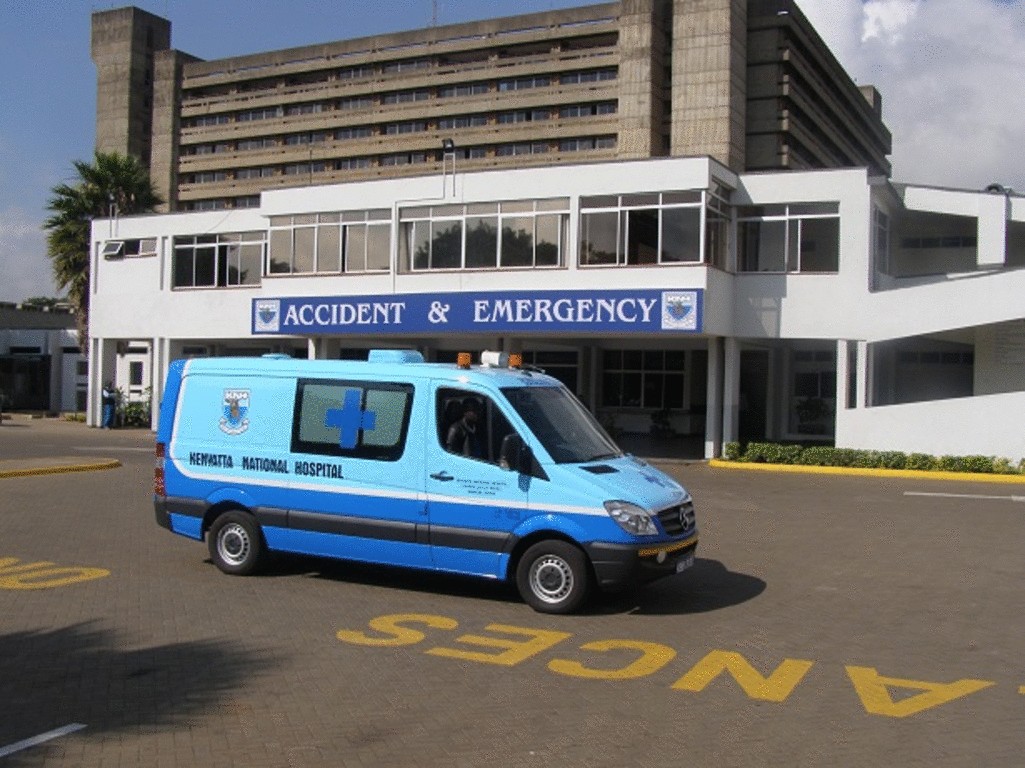
- PEP often available free at government hospitals
- PrEP increasingly available through public programs
Private Healthcare:
- Both available at cost in private facilities
- Requires doctor’s prescription and monitoring
Important:
Neither medication is available over-the-counter. Always consult a healthcare provider for proper HIV testing, prescription, and monitoring.
Making the Right Choice
Consider PEP if:
- You’ve had recent potential HIV exposure (unprotected sex, needle stick, etc.)
- It’s within the 72-hour window
Consider PrEP if:
- You’re at ongoing risk of HIV exposure
- You’re in a serodiscordant relationship
- You frequently engage in high-risk behaviors
Final Recommendations
- Emergency Situations: Seek PEP immediately after potential exposure
- Ongoing Protection: Discuss PrEP with your doctor if at risk
- Comprehensive Approach: Combine with condoms and regular testing
- Medical Supervision: Never self-prescribe these medications
Both PEP and PrEP represent powerful tools in HIV prevention when used correctly under medical guidance. Understanding their proper use helps individuals take control of their sexual health while contributing to broader HIV prevention efforts.
READ MORE: Top Chiropractic Centers in Kenya