Saudi equities are moving into a more open and competitive phase as the Kingdom accelerates reforms aimed at attracting global capital. Recent regulatory changes mark a decisive shift in how international investors can access the Saudi stock market, positioning the country more firmly within global investment flows.
The reforms follow a decision by the Saudi Capital Market Authority to open the market to all categories of foreign investors from February 1, 2026. Under the new framework, overseas investors can buy shares directly without meeting previous qualification thresholds. This move removes the long-standing Qualified Foreign Investor structure and simplifies market entry.
By eliminating swap-based arrangements and allowing direct ownership of listed shares, regulators aim to make Saudi equities easier to understand and trade. As a result, international funds gain clearer exposure to company performance, while the market benefits from broader participation and improved transparency.
Market analysts expect the next step to involve lifting foreign ownership caps on listed companies. At present, foreign investors can hold up to 49 percent of a firm. Removing this ceiling would allow majority ownership for the first time, a change widely seen as inevitable. When early reports of the plan emerged, the Saudi market responded positively, reflecting confidence in deeper reform momentum.
Greater openness could also stimulate activity on Tadawul, where initial public offerings have already increased in recent years. More liquidity and a wider investor base may encourage family-owned and private businesses to list, supporting capital formation and corporate expansion across sectors.
These reforms align closely with Vision 2030, the national strategy to diversify the economy beyond oil. With public spending rising on infrastructure, tourism, and entertainment, attracting foreign investment helps balance fiscal pressures and sustain long-term growth.
Still, policymakers acknowledge potential risks. Greater foreign participation may increase exposure to global market volatility and reduce domestic control over certain strategic firms. However, officials appear willing to manage these trade-offs to strengthen Saudi Arabia’s position as a regional financial hub.
Beyond equities, the opening of capital markets complements broader economic and social changes. Crown Prince Mohammed bin Salman has emphasized the goal of building a globally competitive business environment supported by technology, talent, and investment-friendly regulation.
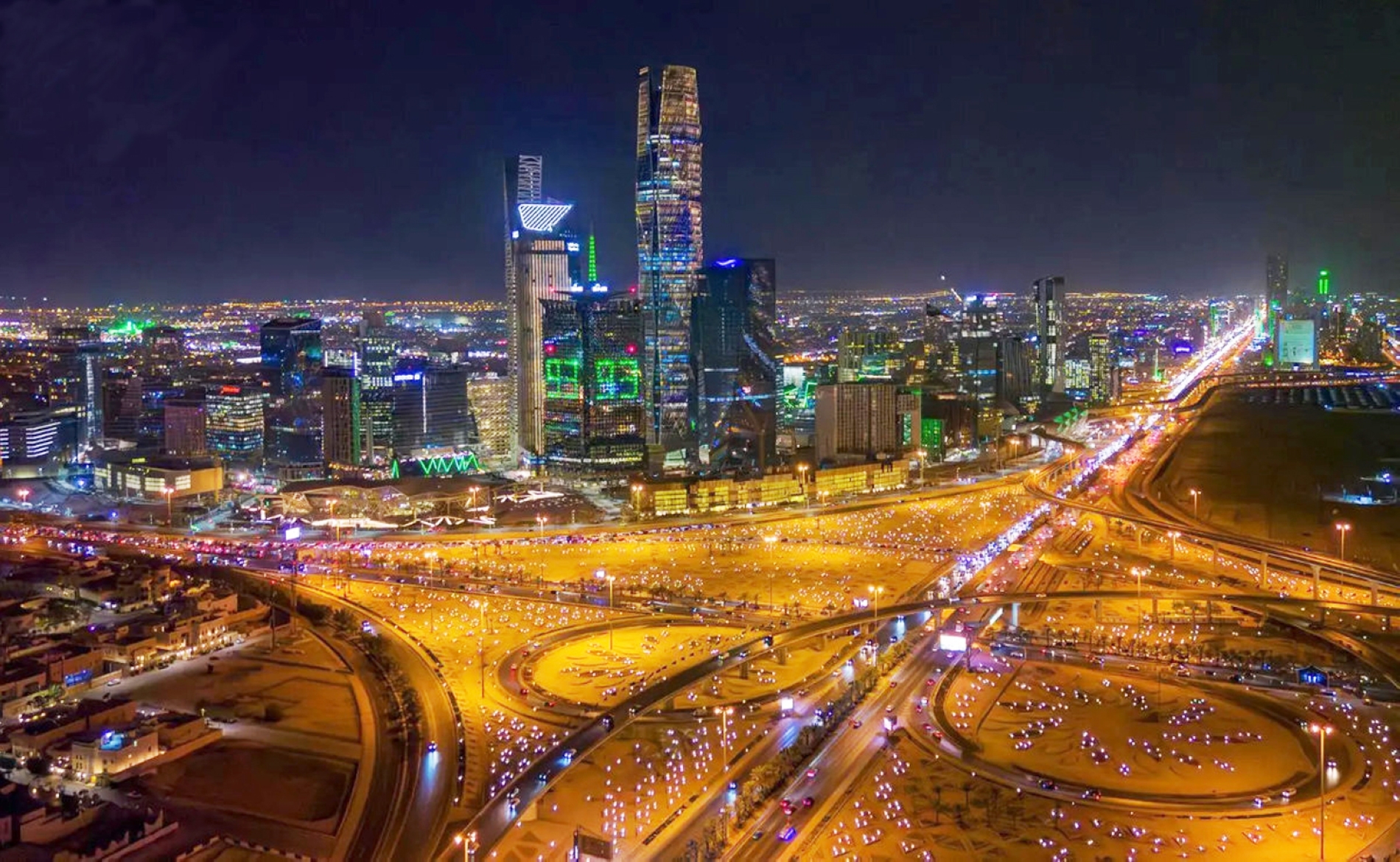
Population growth and urban expansion are also reshaping planning priorities, especially in Riyadh. Strong demand for housing and commercial space continues, supported by both public initiatives and private investment. According to CBRE Group, residential development remains robust as authorities address supply gaps and affordability concerns.
Taken together, the opening of Saudi equities signals more than a technical regulatory update. It reflects a broader strategy to integrate the Kingdom into global markets, enhance investor confidence, and create sustainable growth channels beyond oil. For global investors watching the Gulf, Saudi Arabia’s message is clear: the market is opening, and participation is welcome.