
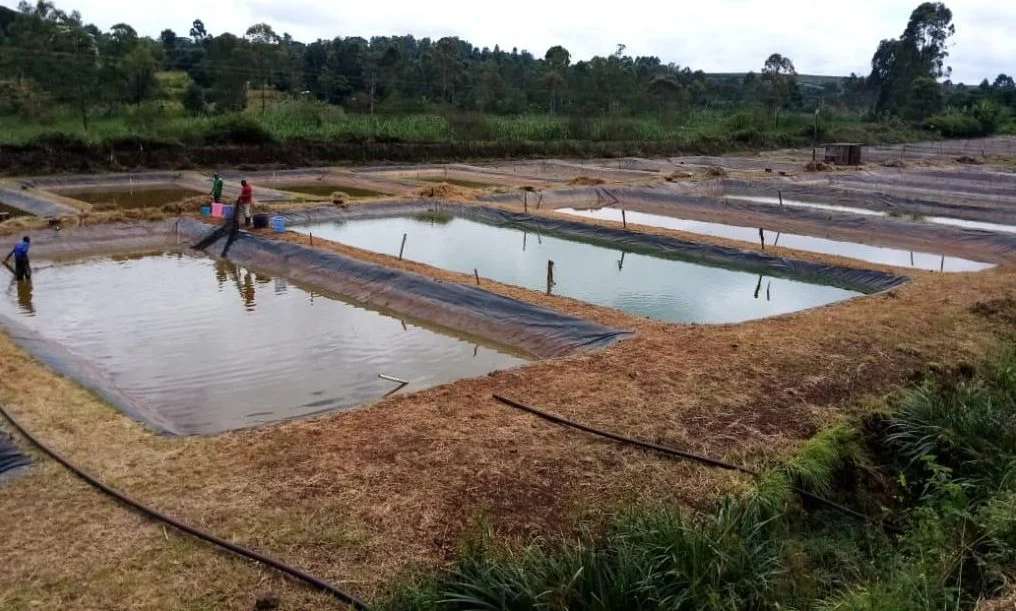
Introduction to Fish Farming in Kenya
Fish farming, a vital component of Kenya’s aquaculture sector, has gained significant traction among both commercial producers and subsistence farmers. As demand for protein-rich foods continues to rise, aquaculture presents a sustainable solution to meet nutritional needs while creating income opportunities. Tilapia dominates Kenya’s farmed fish production due to its high market demand and adaptability to local farming conditions.
Key Considerations Before Starting Fish Farming
Successful aquaculture ventures require careful planning. Here are essential factors to evaluate:
- Land Selection
- Choose relatively flat terrain for pond construction to ensure proper water distribution and management.
- Water Source Availability
- Reliable water sources (rivers, springs, or lakes) are crucial for maintaining optimal pond conditions.
- Transport Infrastructure
- For commercial operations, accessible transport networks are necessary to deliver fresh produce to markets efficiently.
- Market Research
- Identify potential buyers in advance, whether local markets, supermarkets, or institutional clients like schools and hotels.
- Species Selection
- Opt for fast-growing, high-demand species like Tilapia to maximize profitability. Pond design should accommodate the chosen species’ needs.
Popular Fish Farming Methods in Kenya
1. Freshwater Pond Farming
- The most common method, utilizing artificial or natural ponds to rear fish like Tilapia.
2. Integrated Fish Farming
- Combines fish rearing with crop cultivation (e.g., vegetables, rice) or livestock (e.g., ducks). This symbiotic system reduces waste and enhances productivity.
3. Coastal Aquaculture (Brackish Water Finfish Culture)
- Involves rearing marine species like crabs and lobsters, though less prevalent in Kenya.
4. Mariculture
- Conducted in deep marine environments, suitable for species requiring saline conditions.
Fish Farming Systems
- Extensive System
- Fish are raised in floating cages with minimal intervention, relying on natural food sources.
- Semi-Intensive System
- Utilizes cages or earthen ponds, supplemented with organic/chemical fertilizers to boost productivity. Ideal for Nile Tilapia.
- Intensive System
- High-density farming, often for Rainbow Trout, using raceways or cages with controlled feeding and monitoring.
Cost-Effective Fish Feed Solutions
Commercial fish feeds can be prohibitively expensive. To reduce costs, farmers can:
- Utilize locally available ingredients like cottonseed cake, wheat bran, and rice bran to formulate nutritious, affordable feed alternatives.
- Explore small-scale feed production to maintain quality while lowering expenses.
Market Opportunities for Farmed Fish
Kenya’s fish market is robust, with Tilapia being a staple in many households, particularly in lakeside regions like Nyanza. Potential outlets include:
- Local markets (mama mboga stalls, open-air markets).
- Supermarkets and grocery stores.
- Bulk buyers (schools, hotels, restaurants).
With proper planning and market linkages, fish farming can yield substantial profits, especially for high-demand species like Tilapia.
READ MORE: Managu Farming in Kenya: Guide to Growing Indigenous Vegetable


