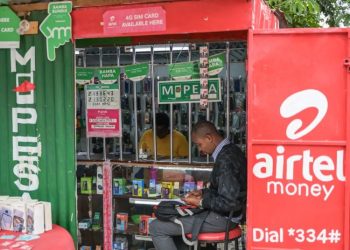

Digital lenders Kenya has become a growing financial services story as the Central Bank of Kenya (CBK) expands regulation of companies offering loans through mobile applications and other digital platforms. The regulator has licensed 29 additional Digital Credit Providers (DCPs), bringing the total number of approved digital lenders to 281. The latest approvals mark another step in efforts to bring mobile-based borrowing under formal supervision and improve accountability across the country’s rapidly developing digital credit market.
The expansion comes as millions of Kenyans increasingly rely on digital platforms to access short-term financing for personal expenses, education, business operations and other financial needs. Unlike traditional bank loans, which may involve branch visits and extensive documentation, many digital credit products allow customers to submit applications, receive approval and access funds using a mobile phone. This convenience has helped digital lending become an important part of Kenya’s financial services industry, particularly for people seeking relatively small amounts of money.
However, the growth of digital credit has also raised concerns about borrowing costs, debt collection practices, transparency and the handling of customers’ personal information. These concerns prompted the CBK to introduce a licensing framework requiring digital lenders to meet specific regulatory standards before offering credit services. The framework aims to distinguish approved providers from businesses operating outside the regulator’s oversight and establish clearer expectations for consumer protection.
The latest licensing exercise also highlights the scale of demand for digital loans. By August 2026, licensed providers had issued 9.6 million loans worth KES 165.1 billion, demonstrating the significant role that digital credit plays in the country’s financial ecosystem. While these figures reflect substantial lending activity, they also underline the importance of responsible borrowing, transparent loan terms and effective supervision.
With 281 providers now licensed, attention is shifting beyond the number of approved companies to how effectively the regulatory framework protects borrowers. The CBK must continue monitoring the market, assessing new applications and ensuring that licensed businesses comply with the rules. For customers, understanding how to identify an approved lender and compare loan conditions remains essential when seeking financing through digital platforms.
Digital Lenders Kenya: CBK Expands Regulatory Oversight
The latest approvals add 29 companies to Kenya’s list of licensed Digital Credit Providers. The announcement follows an earlier licensing round in July, when the regulator approved 25 additional providers.
Since the supervision framework was introduced in March 2022, the CBK has received more than 900 applications from businesses seeking permission to operate as digital lenders. The difference between the number of applications and the number of licensed companies reflects the assessment process that applicants must complete before receiving approval.
Licensing is intended to establish minimum standards for businesses providing credit through digital channels. Instead of allowing companies to operate without direct regulatory scrutiny, the framework requires them to demonstrate that their operations meet the applicable requirements.
The growing list of approved providers also gives consumers a practical way to check whether a digital lending company has received regulatory authorisation. This is particularly important in a market where customers can encounter loan offers through mobile applications, websites, social media advertisements and other online channels.
Nevertheless, licensing is only one part of effective supervision. Regulators must also monitor providers after approval, respond to complaints and take appropriate action when businesses fail to meet their obligations.
Digital Loan Demand Reaches KES 165.1 Billion
The figures reported for August 2026 illustrate the scale of digital borrowing in Kenya. Licensed providers had issued approximately 9.6 million loans valued at KES 165.1 billion.
Based on these figures, the average loan value was approximately KES 17,200. This is an aggregate average rather than the amount received by every borrower, since individual loans can vary considerably in size.
Digital credit serves different financial needs. Some customers borrow to cover unexpected household expenses, while others seek working capital for small businesses, school-related costs or short-term cash-flow challenges.
The ability to apply through a mobile phone can make these services accessible to customers who find traditional borrowing processes difficult to navigate. However, accessibility does not automatically make every loan affordable or appropriate for every financial situation.
Borrowers need to understand the full repayment amount, applicable fees, interest charges and consequences of missing a payment before accepting credit. A loan that appears convenient at the application stage may become expensive if its terms are poorly understood or the repayment schedule does not match the borrower’s income.
The lending figures also demonstrate why regulatory oversight matters. As digital credit expands, authorities need reliable information about providers’ activities and effective mechanisms for addressing misconduct.
Why Kenya Introduced Digital Lender Licensing
The CBK’s licensing framework followed concerns about the conduct of some digital credit providers, including complaints involving high borrowing costs, aggressive debt collection and the handling of customers’ personal information.
These concerns highlighted the risks that can arise when credit is distributed quickly through digital channels without sufficient safeguards. Customers may receive loan offers within minutes, but they still need clear information about repayment obligations and how their personal data will be used.
Under the licensing system, the regulator assesses applicants before granting approval. The review includes their business models, consumer protection measures and the suitability and integrity of shareholders, directors and managers.
This process is designed to help establish whether an applicant can operate within the applicable regulatory framework. It also creates a formal point at which the regulator can evaluate the company’s proposed practices before it begins offering digital credit.
For consumers, the framework provides a starting point for distinguishing authorised lenders from unlicensed operators. However, borrowers should not interpret a licence as a guarantee that every product offered by a provider will suit their needs or carry affordable terms.
The conditions attached to individual loans remain important, even when a company has received regulatory approval.
What a CBK Licence Means for Borrowers
A licensed digital lender operates under the regulatory requirements applicable to approved Digital Credit Providers. Customers can use the CBK’s published information to check whether a provider appears on the authorised list before applying for a loan.
This step can help borrowers avoid companies operating outside the formal licensing framework. It is particularly useful when encountering unfamiliar lending applications or online advertisements promising immediate cash.
However, regulatory approval does not mean that every loan has the same interest rate, repayment period or eligibility criteria. Each provider may offer different products depending on its business model and the type of customers it serves.
Before accepting an offer, borrowers should examine several important details:
- Total repayment amount: Check how much money must be repaid, including interest and applicable fees.
- Repayment deadline: Confirm the due date and whether repayment can be made in instalments.
- Late payment charges: Understand the consequences of missing the agreed repayment date.
- Personal information: Review what data the application requests and how the provider explains its use.
- Lender authorisation: Verify the company’s licensing status using the regulator’s available information.
These checks can help customers make more informed decisions and reduce the risk of accepting unsuitable credit.
Borrowers should also be cautious about sharing sensitive information with unfamiliar applications or individuals claiming to represent a lending company. An online presence alone does not establish that a business is authorised.
What Happens to Digital Lenders With Incomplete Applications?
Although the CBK has licensed hundreds of digital credit providers, the application process remains ongoing. Some applicants still need to submit outstanding documentation before the regulator can complete its assessment.
The requirement to provide complete records is an important part of the approval process. Regulators need sufficient information to evaluate an applicant’s ownership, management, business operations and consumer protection arrangements.
Companies with incomplete applications may therefore need to address outstanding requirements before their applications can progress. The existence of an application does not mean that a company has permission to offer regulated digital credit.
For businesses seeking approval, this creates an incentive to maintain accurate documentation and respond to regulatory requests. For consumers, it reinforces the distinction between a company seeking authorisation and one that has actually received a licence.
The continuing review of applications also means that the number of licensed providers may change as the regulator completes its assessments and announces further decisions.
Challenges Facing Kenya’s Digital Lending Market
As the number of licensed digital lenders increases, the CBK faces the continuing task of supervising a diverse market that operates largely through technology.
Digital platforms can process applications quickly and serve customers across different locations. At the same time, their scale and speed can make effective monitoring demanding, particularly when providers introduce new products or change their operating practices.
Consumer protection remains one of the key issues. Borrowers need access to clear information about loan costs, repayment conditions and the treatment of their personal data. Providers must also operate within the rules governing their services rather than relying solely on the convenience of mobile-based transactions.
Another challenge is helping customers distinguish legitimate credit offers from those made by unlicensed businesses. Public awareness, accessible licensing information and effective complaint-handling arrangements can support this effort.
The regulator must also continue assessing whether licensed providers meet their obligations after entering the market. A licensing decision establishes permission to operate under specified requirements, but ongoing compliance remains essential.
For digital lending companies, maintaining regulatory compliance will be important as the market develops. For consumers, checking a lender’s status and understanding its loan terms will remain practical steps when considering mobile credit.
With 281 digital credit providers now licensed and further applications awaiting assessment, Kenya’s digital lending sector continues to move towards a more formally regulated structure. The scale of lending already recorded shows why the next stage of development will depend not only on approving more companies, but also on maintaining effective supervision and ensuring that customers can make informed borrowing decisions.