
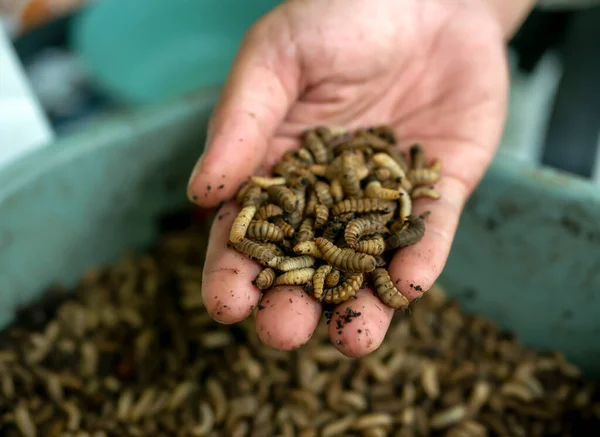
Introduction to Black Soldier Fly Farming in Kenya
Black soldier fly (BSF) farming is emerging as an innovative and sustainable solution for protein production in Kenya’s animal feed industry. As conventional feed prices rise, this eco-friendly alternative offers farmers a cost-effective way to nourish poultry, fish, and pigs while utilizing organic waste. The Kenya-based International Centre of Insect Physiology and Ecology (ICIPE) and specialized producers like Black Soldier Fly Kenya are leading the way in developing this promising sector.
The BSF Farming Process
1. Sourcing Starter Colonies
Farmers can obtain initial stock from reputable suppliers including:
- ICIPE (International Centre of Insect Physiology and Ecology)
- Black Soldier Fly Kenya (Africa’s leading BSF producer)
2. Lifecycle Management
- Egg stage: Females lay eggs that hatch within 4 days
- Larval stage:
- Feed on organic waste (vegetable/fruit scraps) for 10-14 days
- Rapid growth to maturity during this phase
- Harvesting:
- Collected at peak protein content (7-14 days post-hatching)
- Can be fed live or processed into dry feed
Nutritional Advantages
BSF larvae offer exceptional nutritional value for livestock:
- High protein content: 35-45% in fresh larvae, up to 50% when dried
- Rich lipid profile: Contains up to 35% beneficial fats
- Complete amino acid profile: Supports optimal animal growth
- Organic fertilizer byproduct: Nutrient-rich frass (insect manure) for crops
Production System Setup
Key Requirements
- Containment: Mesh-enclosed structures to manage fly populations
- Feedstock: Organic waste materials (market waste, food scraps)
- Temperature control: Maintain 25-30°C for optimal growth
- Moisture management: 60-70% humidity preferred
Production Timeline
- Egg to harvest: 14-21 days
- Continuous production possible with staggered colonies
Market Potential and Economic Viability
Current Market Status
- Emerging sector: Limited but growing participation
- Price range: Ksh 100-150 per kg for dried larvae
- Primary buyers:
- Poultry farmers (especially indigenous chicken producers)
- Aquaculture operations
- Pig farms
Business Advantages
- Low input costs: Utilizes organic waste streams
- High conversion efficiency: 1kg of waste produces 100g of protein
- Dual income streams:
- Animal feed production
- Organic fertilizer byproduct
Implementation Guide for Farmers
- Start small: Begin with 1-2 colonies to gain experience
- Source quality starter stock: Ensure healthy initial population
- Develop waste partnerships: Secure consistent organic feedstock
- Process efficiently: Consider solar drying for preservation
- Market strategically: Target specialty livestock producers
Future Outlook
As Kenya’s agricultural sector seeks sustainable solutions, BSF farming presents multiple opportunities:
- Waste management: Converting urban organic waste to value
- Feed security: Reducing reliance on imported protein sources
- Circular economy: Creating closed-loop farming systems
READ MORE: Dragon Fruit Farming in Kenya: Opportunity in Horticulture


