

Africa’s position in global maritime trade continues to grow stronger, fueled by substantial investments in infrastructure, modern terminals, and strategic trade corridors. By 2025, several key harbors across the continent have emerged as critical players in connecting Africa to international markets. This article highlights the biggest ports in Africa, focusing on container traffic, cargo volume, and their overall significance on the continent and beyond.
1. Tanger Med (Morocco) — Africa’s Leading Container Port

Tanger Med stands as Africa’s busiest and most advanced port, strategically located on the Strait of Gibraltar. It is a vital link between Africa, Europe, and international maritime routes, supporting trade across the Mediterranean and the Atlantic.
- TEUs handled in 2024–2025: Over 10.2 million
- Global Rank: 17th among the world’s top 100 container ports
- Key Features:
- Major trans-shipment hub
- World-class logistics zones
- Vital for Africa–Europe trade and global shipping connectivity
With its rapid growth and exceptional infrastructure, Tanger Med leads the way, making it the dominant force in Africa’s maritime industry.
2. Port Said (Egypt) — Gateway to the Suez Canal

Port Said, located at the northern entrance to the Suez Canal, is crucial for global shipping and one of North Africa’s most important ports. It serves as the primary link between Africa, Europe, and Asia.
- TEUs handled annually: Around 3.9 million
- Key Features:
- A critical connection for global shipping lanes
- Expanding terminal operations with the growing traffic from the Suez Canal
Port Said continues to thrive as part of Egypt’s expanding port network, contributing to its increasing significance in international trade.
3. Port of Alexandria (Egypt) — A Major Mediterranean Hub

As Egypt’s historic commercial center, the Port of Alexandria is one of the busiest ports on the Mediterranean coast. Its strategic location makes it a vital hub for North African import-export activities.
- TEUs handled annually: Over 2.2 million
- Key Features:
- Complementary operations to Port Said in container and general cargo
- Ongoing modernization boosting its standing among Africa’s largest ports
Alexandria’s role in North African trade continues to be vital as it enhances its operational capacity and infrastructure.
4. Port of Lomé (Togo) — West Africa’s Fastest-Growing Port
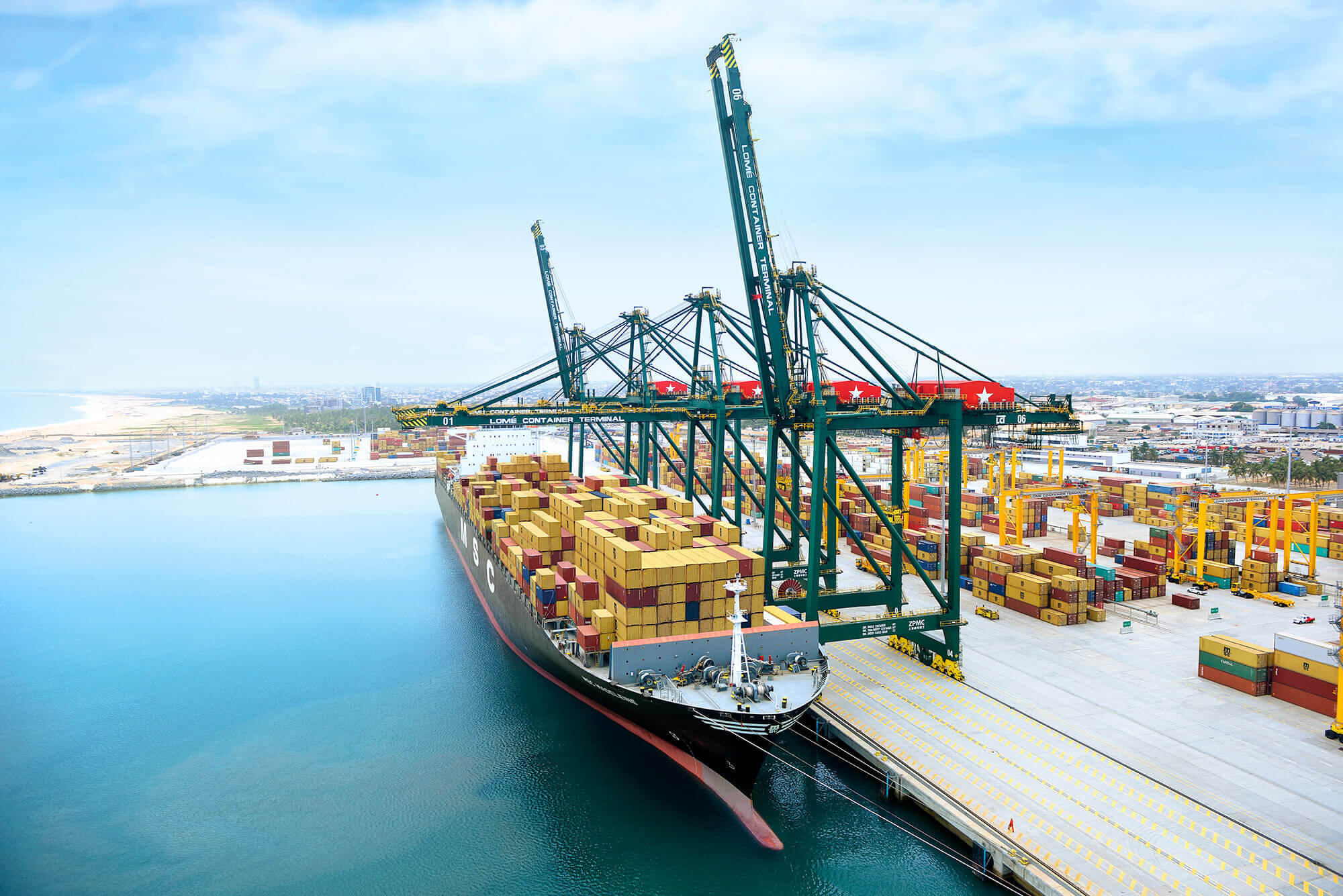
Lomé has rapidly transformed into a major trans-shipment hub for West Africa, with its deep-water harbor and efficient operations keeping it competitive in the region.
- TEUs handled annually: More than 2 million
- Key Features:
- Serves landlocked countries like Niger, Burkina Faso, and Mali
- Recognized for its deep draft and ability to accommodate large vessels
Lomé’s continued growth positions it as one of West Africa’s most efficient and vital ports.
5. Port of Durban (South Africa) — Southern Africa’s Trade Powerhouse

Durban remains the largest and busiest general cargo port in Africa. Its significance extends beyond South Africa, influencing trade across Southern Africa and supporting several regional markets.
- TEUs handled annually: Approximately 3.6 million
- Key Features:
- The busiest port in the Southern Hemisphere by ship traffic
- Critical trade hub for South Africa, Zimbabwe, Botswana, and Zambia
Durban’s capacity and strategic importance continue to make it an economic powerhouse for the southern region of Africa.
6. Port of Mombasa (Kenya) — East Africa’s Maritime Leader
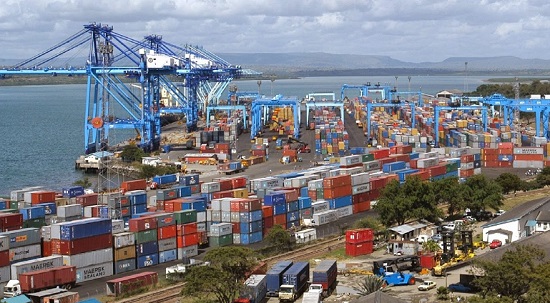
Mombasa is East Africa’s largest and most vital port, serving the region’s landlocked countries and facilitating key trade routes in the East African Community (EAC).
- TEUs handled in 2024: Over 2 million
- Cargo throughput: Surpasses 41 million tonnes
- Key Features:
- Serves countries including Uganda, Rwanda, DRC, South Sudan, Burundi, and northern Tanzania
- Ongoing port expansion strengthening its role in regional trade
Mombasa’s strategic location and continued modernization cement its role as a leader in East Africa’s maritime trade.
Africa’s Ports Scaling Up for Global Competition
The largest ports in Africa are reshaping the continent’s economic future. With ongoing investments in infrastructure, modernized terminals, and improved logistics systems, African ports are increasingly becoming pivotal players in global supply chains. From Tanger Med in Morocco to Durban in South Africa, these harbors are transforming not only regional trade but also Africa’s role in the global economy.
As the continent continues to invest in port infrastructure and ease trade barriers, Africa is well-positioned to compete globally, attracting investment and strengthening its presence in international markets. With a collective focus on modernization and strategic partnerships, these ports represent Africa’s rising capabilities on the world stage.