M-Pesa Interest: Who Benefits From Wallet Returns?
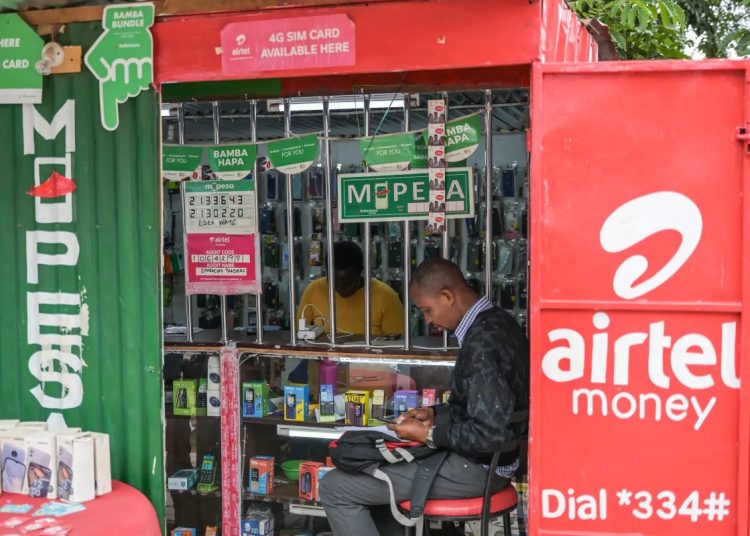
M-Pesa interest is becoming an important topic in Kenya as proposed changes to the country’s payment regulations raise questions about how mobile-money providers can earn returns from funds held in customer wallets. Millions of people use mobile money to receive salaries, pay bills, support family members, buy goods and run small businesses. Yet many customers may not know that the money supporting their digital balances can generate investment income while it remains within the payment system.
The discussion centres on Kenya’s proposed National Payment System Bill, 2026, which seeks to establish a modern legal framework for payment services. The proposed legislation addresses the regulation and operation of payment services, with broader objectives that include improving consumer protection, encouraging innovation and strengthening confidence in the national payment system.
For users of M-Pesa and Airtel Money, one question stands out: if the money held in mobile-money trust accounts generates interest, should customers receive a share of the earnings? The question has attracted attention because mobile-money platforms handle substantial amounts of money across Kenya and other African markets. Although customers retain claims to their wallet balances, the income generated from funds held in trust raises a separate question about who should benefit from the returns.
The proposed changes could influence how payment providers manage customer funds and how the resulting income is used. However, customers should distinguish between what the draft legislation permits and what advocates would like the final rules to achieve. The proposal does not automatically guarantee interest payments to individual wallet holders. Any change that introduces direct customer rewards would depend on the applicable legal framework and the final regulatory arrangements.
Understanding the distinction matters for anyone who regularly keeps money in a mobile wallet. It also matters for businesses, financial technology companies and policymakers considering how digital payments can support financial inclusion. The debate is not simply about earning interest. It also concerns the protection of customer funds, the responsibilities of payment providers and the distribution of financial value generated by a rapidly developing digital economy.
How the Proposed M-Pesa Interest Framework Would Work
Under the proposed framework, payment providers could invest funds held in trust in eligible Kenyan government securities or place them in interest-bearing trust accounts, subject to applicable requirements. These arrangements would allow the funds to generate income while remaining subject to safeguards designed to protect customers’ money.
A trust arrangement separates money held for customers from the provider’s own operating funds. This distinction is important because the money in a mobile wallet represents a claim that the customer expects to redeem or transfer when needed.
The system can be understood through several stages:
- A customer deposits money. The customer adds funds to an M-Pesa or Airtel Money wallet.
- The funds are held in trust. The provider maintains the relevant customer funds under applicable legal and regulatory requirements.
- The trust earns investment income. Eligible funds may generate returns through permitted investments or interest-bearing accounts.
- Customer balances remain protected. The arrangement must continue to support the amounts owed to wallet holders.
- The income is allocated according to the rules. The applicable framework determines how earnings can be used and whether customers can receive a share.
This arrangement differs from ordinary banking deposits, which banks can use within their regulated lending and investment activities. Mobile-money trust funds are subject to specific requirements concerning their safeguarding and use.
For example, if customers collectively hold KSh100 billion in mobile-money balances, the trust must continue to support the full amount owed to them. A provider cannot simply treat part of that money as its own business capital. The purpose of the trust structure is to protect customers’ claims while allowing permitted management of the underlying funds.
Why M-Pesa and Airtel Money Could Earn More
The commercial opportunity comes from the scale of mobile-money transactions and the funds held within the system.
M-Pesa processed KSh41.7 trillion in transactions during the financial year ending March 2026. This figure represents the total value of transactions processed, not the amount continuously held in customer wallets. The same money can move between people and businesses several times, generating multiple transactions.
The more relevant measure for calculating investment income is the average balance held in trust over a given period. The amount available for investment, the interest rate earned, the duration of the investment and the costs of administering the trust would all affect the resulting income.
For Safaricom, which operates M-Pesa, returns generated by eligible trust funds could become an important consideration in the wider economics of its mobile-money business. Airtel Kenya could also be affected by the framework governing funds held within Airtel Money.
However, the ability to generate income does not mean that providers can freely use customer funds for their own commercial purposes. Investment activity remains subject to the legal conditions governing the trust and the protection of wallet balances.
The distinction between transaction value and average wallet balances is especially important. A platform processing trillions of shillings annually does not necessarily hold that entire amount at once. Any estimate of potential earnings must therefore consider actual balances and investment conditions rather than transaction totals alone.
Will M-Pesa Customers Receive Interest Automatically?
The central question for customers is whether keeping money in a mobile wallet could eventually produce a personal financial return.
Under the framework described in discussions of the draft legislation, income from trust funds is not automatically payable to individual wallet holders. The proposed arrangements address the use of income in accordance with applicable trust and regulatory requirements, including provisions for public charitable purposes.
Former Central Bank of Kenya Governor Patrick Njoroge has proposed a different approach. He wants surplus income generated by mobile-money trust funds, after relevant operating costs and expenses, to be distributed to customers through regular bonus payments.
The proposal would change how the benefits of mobile-money trust funds are shared. Instead of directing the surplus elsewhere, a portion could return to the people whose balances support the system.
Nevertheless, the suggested bonus payments should not be confused with an approved customer benefit. They represent a proposal for consideration rather than a guaranteed entitlement under the draft framework.
Several practical questions would need to be addressed before such a system could operate. Regulators and providers would need to determine how eligible customers are identified, how the available surplus is calculated and how payments are distributed fairly.
They would also need to consider whether customers should receive bonuses based on the size of their wallet balances, the time money remains in the system or another transparent formula.
What M-Pesa Interest Could Mean for Everyday Users
If future regulations allow part of the investment income to reach customers, mobile-money users could gain an additional benefit from the funds they keep in their wallets.
For example, a customer who regularly maintains a balance for household expenses might receive a small bonus if the final rules establish a customer-sharing arrangement. The amount would depend on the approved distribution formula and the income available after eligible costs.
However, the potential benefit should not be overstated. No particular interest rate or bonus amount is guaranteed by the proposal described here. Returns would depend on investment performance, the size of the trust fund, applicable expenses and the final regulatory framework.
Customers should also distinguish mobile-money wallets from savings or investment products that explicitly offer returns. Until the rules change and a provider announces an approved arrangement, users should not assume that their M-Pesa or Airtel Money balances will earn interest directly.
For households and small businesses, the immediate value of mobile money remains its convenience. It allows people to make payments, transfer funds and manage everyday transactions without relying exclusively on cash. A future customer-reward system would represent an additional feature, not a replacement for those services.
The Role of the Central Bank of Kenya
The Central Bank of Kenya plays a key role in regulating and overseeing payment systems. Its responsibilities include promoting safe and efficient payment services, supporting financial stability and maintaining confidence in the national payments infrastructure.
The proposed National Payment System Bill, 2026, forms part of a wider effort to update the legal framework governing payment services. The draft legislation and related policy cover broader issues affecting the payment ecosystem, so the treatment of trust-fund income is only one part of the discussion.
The final rules will be important in determining the precise obligations of payment providers and the safeguards applicable to customer funds. Clear requirements could help explain how investment income is generated, what expenses can be deducted and how any permitted surplus must be used.
Transparency would also matter. Customers need to understand whether a mobile-money balance earns a return, whether the provider offers any customer reward and what conditions apply. Without clear information, users could mistakenly interpret proposed changes as an existing financial benefit.
The National Treasury and the Central Bank of Kenya invited public comments on the draft National Payment System Bill and policy, with submissions due by October 9, 2026, according to the published consultation timeline.
The Questions Regulators Must Address
The debate over M-Pesa interest raises several practical issues that could shape the final framework.
First, how much income is available? The answer depends on the average amount held in trust, investment returns and the costs of managing the funds. Transaction volumes alone cannot establish how much income is generated.
Second, who should benefit from the surplus? The proposed arrangements and suggestions for direct customer bonuses must be assessed separately. A decision to distribute earnings to wallet holders would require clear legal and operational provisions.
Third, how would payments be calculated? Regulators would need to consider a transparent formula that treats customers fairly. The system would also need to address customers who use their wallets frequently but maintain relatively small balances.
Fourth, how would customer protection be maintained? Any investment arrangement must preserve the safeguards that protect customers’ claims to their money. Generating income should not undermine the availability or security of wallet balances.
Finally, how would customers receive information? Clear disclosures could help people understand the difference between ordinary wallet balances, trust-fund investment income and any approved bonus or reward scheme.
These questions are central to determining whether the framework will merely clarify how trust-fund income is managed or introduce a mechanism that allows mobile-money customers to share in the financial returns.
As Kenya considers changes to its payment regulations, the discussion around M-Pesa and Airtel Money highlights a wider issue for digital finance: how to balance secure management of customer funds, sustainable payment services and the interests of the people who use them every day.