WSO2Con Africa brought enterprise technology discussions to Nairobi, placing artificial intelligence, software integration, and digital transformation at the center of a major gathering of technology professionals. The conference connected business leaders, software developers, architects, and policymakers around the opportunities and challenges facing organizations as they prepare for a more automated digital economy. Its arrival in Kenya also highlighted the growing importance of African markets in conversations about enterprise innovation.
Held at the JW Marriott Hotel in Westlands from September 22 to 24, the three-day event represented a significant moment for WSO2. According to the supplied report, it was the company’s first flagship conference held on African soil. The decision to host the event in Nairobi placed Kenya at the center of discussions about how businesses can modernize their systems and adopt emerging technologies.
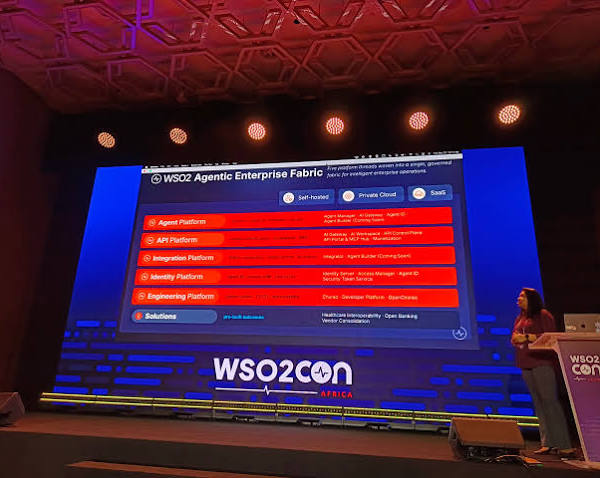
The central theme, “Building the Agentic Enterprise,” reflected the growing interest in AI agents and their potential role in business operations. Unlike traditional software that performs a narrowly defined task, AI agents can be designed to interpret information, coordinate activities, and support workflows with a degree of autonomy. However, successful adoption requires reliable data, secure systems, effective governance, and a clear understanding of where human oversight remains essential.
The conference combined practical training with executive-level discussions, creating opportunities for participants to explore both the technical and strategic sides of enterprise technology. Sessions covered application programming interfaces, system integration, digital identity, platform engineering, and artificial intelligence. Together, these subjects addressed the infrastructure organizations need to connect existing systems with new digital services.
READ: Kenya Tech Budget: Digital Growth and New Tax Changes
Nairobi Conference Highlights Africa’s Enterprise Technology Ambitions
WSO2Con Africa opened with a technical laboratory day before moving into the main keynote presentations and conference tracks. This format gave participants an opportunity to engage with technology concepts in a practical setting before hearing broader discussions about enterprise strategy and innovation.
The event brought together professionals with different responsibilities across the technology sector. Developers and architects could examine software and integration challenges, while business executives considered the implications of new digital tools for productivity, customer service, and operational efficiency. Policymakers, meanwhile, contributed to conversations about the wider digital economy and the role of technology in public services.
The conference’s focus on enterprise systems was particularly relevant to organizations that rely on multiple software platforms. As companies expand their digital operations, they often need to connect customer-facing applications, internal databases, cloud services, identity systems, and business processes. Without effective integration, disconnected systems can create delays, duplicate work, and difficulties in managing information.
WSO2’s technology portfolio is associated with APIs, integration, and identity management. These areas are important to businesses that want to introduce AI capabilities without abandoning the systems that already support their daily operations. A well-connected technology environment can help organizations manage information more effectively and establish the foundations needed for future digital services.
Artificial Intelligence Agents Take Center Stage
Artificial intelligence agents were among the key subjects explored during the Nairobi gathering. Interest in these systems has increased as organizations examine ways to automate routine activities, assist employees, and improve the delivery of digital services.
An AI agent may support tasks such as retrieving information, coordinating steps in a workflow, or helping users interact with business applications. Its usefulness depends on the quality of the information available to it and the systems it can access. For that reason, companies considering agent-based technology must pay attention to security, access permissions, data accuracy, and accountability.
The conference’s theme also pointed to a broader shift in enterprise technology. Businesses are no longer considering AI only as a standalone tool for generating text or analyzing information. Many are exploring how it can operate alongside existing applications and support more connected business processes.
However, introducing AI into an organization involves more than purchasing software. Companies may need to review their data structures, update internal policies, train employees, and establish procedures for monitoring automated decisions. These preparations can determine whether a new system delivers practical value or creates additional operational challenges.
The supplied report also identified discussions about the need for Kenyan businesses to prepare their systems for AI agents. This issue is relevant to companies across sectors because the ability to adopt new technology often depends on the strength of the underlying digital infrastructure.
Kenyan Government Participation Underscores Digital Transformation
Kenya’s government had a visible role in the conference program, with the Principal Secretary in the State Department for ICT and the Digital Economy listed among the featured speakers. The participation reflected the importance of digital transformation in discussions involving the public sector and private enterprise.
Government institutions increasingly depend on digital platforms to deliver services, manage information, and communicate with citizens. These systems must work reliably while meeting requirements related to privacy, security, accessibility, and public accountability.
Discussions involving policymakers and technology companies can provide an opportunity to examine how digital infrastructure supports national development. They can also raise practical questions about skills, investment, interoperability, and the responsible use of artificial intelligence.
For Kenya, these subjects connect with the wider development of its technology ecosystem. Nairobi has established itself as an important location for technology companies, financial services, startups, and digital businesses. Hosting an international enterprise technology conference in the city added another dimension to its role as a meeting point for technology professionals.
The event also provided a platform for conversations about how organizations in Africa can approach digital modernization according to their own operational needs. While businesses may share common technology challenges, their priorities can differ depending on industry, resources, regulatory requirements, and customer expectations.
WSO2 Product Leaders Present Technology Roadmap
Several senior WSO2 executives contributed to the program, according to the supplied report. They included Selvaratnam Uthaiyashankar, Senior Vice President and Chief Product Officer; Dr. Rania Khalaf, Chief AI Officer; and Asanka Abeysinghe, Chief Technology Officer.
Their participation brought product development and technical strategy into the conference’s wider discussion of enterprise transformation. Leadership presentations at technology events commonly provide insight into how a company plans to develop its platforms and respond to changing customer needs.
For organizations evaluating enterprise software, product roadmaps can help explain the direction of future development. They may also provide context about how different technologies, including AI, integration, and identity services, could work together.
The combination of technical sessions, customer case studies, and executive panels allowed the Nairobi conference to address several stages of technology adoption. Participants could examine practical implementation issues while also considering the broader business implications of digital transformation.
Customer case studies are especially relevant because they can show how organizations approach real operational problems. Nevertheless, the results of any technology implementation depend on factors such as the size of the organization, its existing infrastructure, and the way a system is deployed.
African Expansion Gives Nairobi Event Wider Significance
The Nairobi conference followed WSO2’s reported expansion in Africa, including the opening of its first African office in Johannesburg. The company’s decision to establish a regional presence and organize its flagship conference in Nairobi demonstrated the attention it was giving to the continent’s enterprise technology market.
Africa’s businesses operate across a wide range of industries, including banking, telecommunications, retail, logistics, manufacturing, and government services. Many organizations are working to improve their digital platforms, connect business applications, and provide more convenient services to customers.
Enterprise technology providers therefore face a diverse set of requirements across the region. Organizations may seek support for mobile services, digital payments, customer management, cybersecurity, cloud operations, or data integration. The technology choices they make can depend on local regulations, connectivity, existing software, and available technical expertise.
The supplied report referred to organizations such as KCB and M-Pesa in the context of WSO2 customer case studies. These references indicate the relevance of enterprise technology discussions to sectors that serve large numbers of customers and process substantial volumes of digital transactions. Specific case-study outcomes, however, would need to be assessed through the original presentations or official company documentation.
The company’s regional expansion also raises the importance of local expertise. As enterprise technology adoption develops, businesses may need professionals who understand software architecture, cybersecurity, data management, and system integration. Training and knowledge-sharing events can contribute to those conversations by connecting practitioners with technology providers and industry peers.
What the Conference Means for Businesses Exploring Digital Innovation
For businesses considering AI and other emerging technologies, the themes discussed at WSO2Con Africa offer several practical areas for consideration. Organizations can begin by reviewing the systems they already use and identifying where better integration could improve their operations.
A company may also assess whether its data is accurate, accessible, and appropriately protected. These factors are important because AI systems depend on the information and permissions available to them. Strong identity management and clear access controls can help reduce unnecessary exposure of sensitive business information.
Another consideration is employee readiness. Digital transformation often changes how teams perform everyday tasks. Providing training and involving employees in implementation decisions can help organizations identify challenges early and establish realistic expectations.
Businesses should also define how they will measure the results of a new technology project. Relevant indicators may include reduced processing time, improved service delivery, fewer manual errors, or better access to information. Clear objectives can help organizations determine whether a project is meeting its intended purpose.
The Nairobi event brought these issues together through its focus on AI agents, APIs, integration, identity, and platform engineering. These technologies represent connected parts of the broader enterprise technology environment rather than isolated solutions.
WSO2 Announces Next Major Conference Stop in Madrid
Following the Nairobi edition, WSO2’s next major conference destination is Madrid, Spain, according to the supplied report. The event is scheduled to run from April 22 to 27, 2027.
The planned return to Europe places the African conference within the company’s broader international event program. For technology professionals, such gatherings can provide opportunities to follow developments in enterprise software, learn about new technical approaches, and engage with industry discussions.
WSO2Con Africa’s Nairobi edition nevertheless marked a distinct occasion for the company and its engagement with the African technology community. Its emphasis on enterprise AI, software integration, and digital infrastructure brought together subjects that are increasingly relevant to organizations seeking to modernize their operations.
The event also placed Nairobi in the spotlight as a location for international enterprise technology conversations, connecting local industry interests with a wider discussion about the future of digital business.