Kenya has officially begun testing digital radio broadcasting, marking a significant milestone in the country’s media landscape. The Communications Authority of Kenya (CAK) recently announced the activation of the first trial Digital Sound Broadcasting (DSB) network in Nairobi, which is expected to address the growing congestion in the FM band and pave the way for the future of radio.
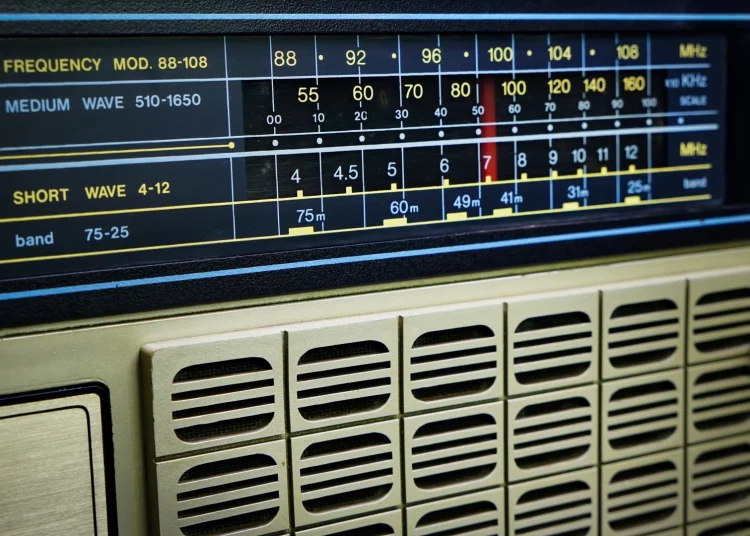
FM radio remains the dominant medium in Kenya, reaching around 98% of households and supporting nearly 300 licensed stations. However, in major urban areas like Nairobi, the FM frequency band (87.5 to 108.0 MHz) is becoming increasingly overcrowded. This congestion leads to signal interference, poor audio quality in some areas, and limited space for new stations. The introduction of DSB technology aims to alleviate these issues and open up new possibilities for radio broadcasting in Kenya.
How Digital Sound Broadcasting (DSB) Works
Digital Sound Broadcasting (DSB) is essentially the radio equivalent of the digital migration that took place in television broadcasting. Unlike traditional FM radio, which dedicates a single frequency to each station, DSB allows multiple radio stations to share a single frequency block. This innovative approach maximizes the available spectrum, reduces signal interference, and allows more stations to be broadcasted without compromising audio quality.
In 2025, the Communications Authority authorized two companies to deploy trial networks for digital radio broadcasting. In January 2026, Mast Rental Services became the first to launch a DAB+ trial network in Nairobi. Currently, this network carries 14 radio programs across the city, showcasing the potential of digital radio.
Benefits of Digital Radio for Kenya
The new digital radio system is expected to bring several benefits to both broadcasters and listeners. For radio stations, the digital platform means lower broadcasting fees, as multiple stations can share the same transmission equipment. This also creates more opportunities for community radio stations, especially smaller ones that previously could not afford the costs associated with FM transmission.
For listeners, the advantages are equally compelling. Digital radio provides clearer sound with less interference, a significant improvement over the sometimes distorted audio quality of FM signals. Additionally, digital radio can display extra information, such as song titles and news headlines, offering a richer listening experience.
One of the biggest draws of digital radio is the ability to carry more stations. The reduction in FM band congestion means that more radio stations can be added, giving listeners more options than ever before.
The Need for DAB+ Radios
While digital radio promises many benefits, there is a catch: listeners will need to have a DAB+ radio to access the new stations. Just as the shift to digital TV required a decoder, the transition to digital radio necessitates new hardware capable of receiving DAB+ signals. Unfortunately, traditional FM radios will not be able to pick up digital broadcasts.
FM Radio’s Continued Role
Despite the push for digital radio, FM radio is not going away anytime soon. The Communications Authority has confirmed that FM stations will continue to operate alongside digital radio, at least for the foreseeable future. There is currently no set date for the “switch-off” of FM stations, ensuring that listeners can continue enjoying their favorite FM broadcasts while the digital system is being tested and rolled out.
What’s Next for Digital Radio in Kenya?
The Nairobi trial is set to last for 12 months, during which the Communications Authority will assess the effectiveness of the new system. Key factors like signal coverage, sound quality, the affordability of DAB+ radios, and overall user adoption will be closely monitored. If the trial proves successful, the digital radio network will be expanded to other major cities, including Mombasa and Kisumu, bringing the benefits of digital radio to a broader audience.
As Kenya moves toward the future of radio broadcasting, the introduction of digital radio holds great promise for the country’s media landscape. With improved sound quality, lower costs for broadcasters, and more stations for listeners, this innovation could change the way Kenyans experience radio for years to come.