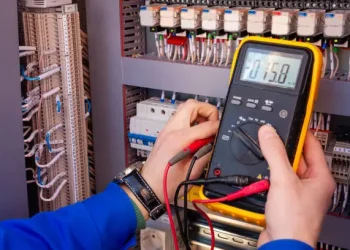
Setting a pool pump timer is one of the easiest ways to save electricity, keep your water clean, and reduce the need for constant manual operation. When programmed correctly, your pump will run only when needed, efficiently circulating and filtering the water. Whether your timer is mechanical or digital, knowing how to set it up properly helps you maintain a healthy pool while lowering energy costs.
1. Identify Your Pool Pump Timer Type
Before you begin, check whether your timer is:
- Mechanical – Uses a dial with hour markings and manual pins or trippers.
- Digital – Features a display screen with programming buttons.
Understanding the type ensures you follow the right setup method. Refer to your user manual for any model-specific features or safety instructions.
2. Turn Off the Pool Pump
For safety, switch off the pump and disconnect it from the power supply before making adjustments. This prevents electrical hazards and ensures you can set the timer without interference from moving parts.
3. Locate the Timer Controls
- Mechanical timers: Look for the circular dial and on/off pins or trippers.
- Digital timers: Locate the screen and programming buttons, such as “Clock,” “Set,” or “Program.”
4. Set the Current Time
- Mechanical: Rotate the dial until the current time aligns with the indicator arrow.
- Digital: Press the “Clock” or “Time” button, then adjust using the “+” and “–” buttons.
Accurate time setting ensures your pump activates at the intended hours.
5. Program the On and Off Times
Decide how long your pool pump should run daily—generally 6–12 hours, depending on pool size, climate, and usage.
- Mechanical: Push down the pins for the start time and lift them for the stop time (or use on/off trippers).
- Digital: Use the programming menu to enter start and stop times.
Pro Tip: For best results, run the pump during off-peak electricity hours if possible.
6. Restore Power and Test the Timer
Reconnect power to the pump and observe its operation. Check that it switches on and off at the programmed times. Adjust if needed to improve efficiency or match your swimming schedule.
7. Maintain and Adjust Seasonally
Inspect your timer regularly to ensure it’s functioning correctly. Seasonal changes may require adjustments:
- Summer: Increase filtration time due to higher usage and warmer temperatures.
- Winter or cooler months: Reduce run time to save energy.
Extra Tip for Pool Owners: Clean your pump’s strainer basket regularly and backwash the filter when needed. Even with a timer, proper maintenance keeps your filtration system running at peak efficiency.