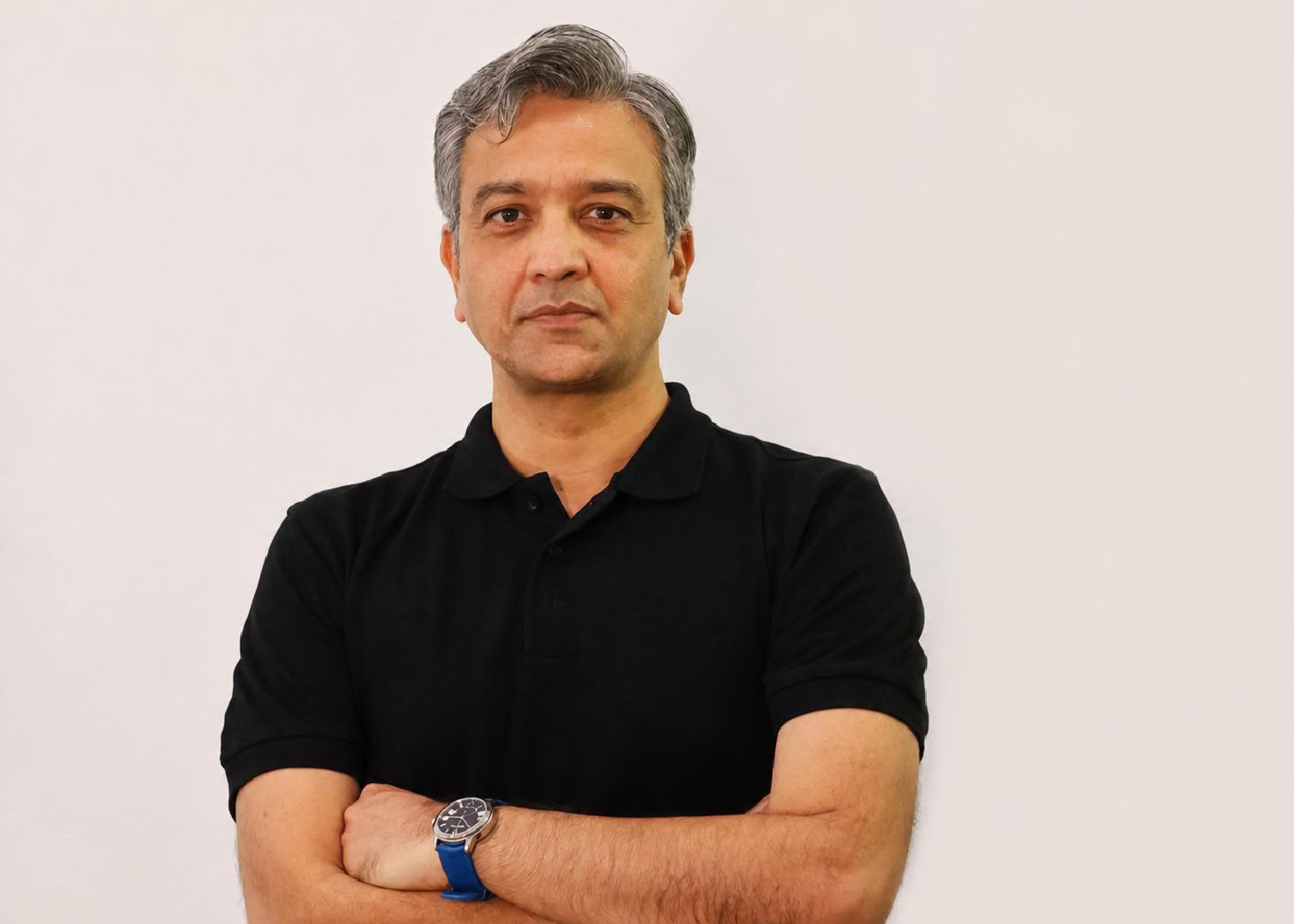
Spiro CEO Anant Badjatya is taking charge of the African electric mobility company at a decisive moment, as the firm shifts from rapid infrastructure build-out to the more difficult task of operating a large battery-swapping network across multiple markets.
Spiro has appointed Badjatya as Group Chief Executive Officer, bringing in an executive with deep experience in battery swapping, fleet operations, and electric mobility infrastructure.
Badjatya joins from Indofast Energy, the IndianOil and SUN Mobility joint venture in India, where he helped scale one of the country’s largest battery-swapping networks. Recent industry reporting says Indofast has supported about 90,000 electric vehicles and built more than 1,600 swapping stations across Indian cities.
That background closely matches what Spiro now needs. The company has already raised large amounts of capital, deployed tens of thousands of electric motorcycles, and built a wide network of battery swap stations. The next challenge is execution: keeping that network reliable, dense, affordable, and scalable as the company expands deeper into Africa.
Spiro CEO Appointment Comes After Major Funding Round
The appointment follows Spiro’s $215 million equity raise, backed by investors including Impact Fund Denmark and Equitane. The round came only months after the company secured $50 million in debt financing from Afreximbank, Nithio, and the Africa Go Green Fund.
Together, the funding rounds show a company moving quickly from early expansion into a more capital-intensive phase.
Spiro is not just selling electric motorcycles. It is trying to build the infrastructure that makes electric motorcycles practical for commercial riders. That means local assembly, battery logistics, mobile payments, software systems, swap stations, energy supply, maintenance, and rider financing all have to work together.
Founder and Chairman Gagan Gupta said Badjatya will help consolidate the group’s strategic initiatives and guide its next phase of growth across mobility, energy, and technology.
That is a broad mandate, but it reflects the complexity of Spiro’s model. The company’s success depends not only on the number of bikes it sells, but also on whether riders can swap batteries quickly and consistently enough to make electric mobility a serious alternative to petrol motorcycles.
Why Anant Badjatya Fits Spiro’s Next Phase
Badjatya’s experience at Indofast Energy is important because battery swapping is an operations-heavy business.
The concept sounds simple: a rider arrives at a station, exchanges a depleted battery for a charged one, and returns to work within minutes. But behind that simple exchange is a complex system involving battery availability, charging schedules, station placement, software tracking, energy costs, vehicle compatibility, maintenance, and rider behavior.
That is where Spiro’s next phase will be won or lost.
The company has already shown that it can raise money and deploy infrastructure. What it must now prove is that its network can perform reliably at scale across different cities, countries, regulations, road conditions, and electricity systems.
Badjatya has run a large battery-swapping network before. Spiro is betting that experience can help it turn fast growth into disciplined execution.
Spiro’s African Footprint Is Expanding Fast
Spiro says it has deployed more than 100,000 electric vehicles and built more than 2,500 smart battery-swapping stations across seven African markets. Its current operations include Kenya, Uganda, Rwanda, Nigeria, Benin, Togo, and Cameroon.
The company is also looking at new markets as it expands its regional footprint. Recent reporting has mentioned countries such as the Democratic Republic of Congo and Ethiopia as part of its next phase of growth.
That scale makes Spiro one of the most closely watched electric mobility companies in Africa.
The business case is straightforward. Motorcycles are central to everyday transport in many African cities. In Kenya, boda bodas move people, parcels, food, farm produce, and small business goods every day. Fuel costs are a major burden for riders, while maintenance and downtime directly affect income.
Electric motorcycles can reduce operating costs, but only if riders have access to reliable charging or battery swapping. Spiro’s model is built around solving that problem.
Kenya Is a Key Market for Spiro
Kenya is one of Spiro’s most important markets because of the size and influence of the boda boda economy.
The company entered Kenya in 2023, launching in Mombasa before expanding into Nairobi and other counties. It has since built a growing network of electric motorcycles and battery swap stations, supported by local assembly and partnerships with fuel station operators.
Battery swaps can take only a few minutes, making the model attractive for commercial riders who cannot afford to wait hours for conventional charging.
That speed matters. A boda boda rider’s income depends on time on the road. If electric motorcycles are to replace petrol bikes at scale, energy access must be nearly as fast and predictable as refueling.
Spiro’s Kenyan strategy is built around that requirement. Its swap stations, mobile app access, leasing model, and local partnerships are designed to reduce the friction of switching from petrol to electric transport.
Battery Swapping Could Decide Africa’s EV Motorcycle Race
Africa’s electric motorcycle market is becoming more competitive, with companies such as Spiro, Ampersand, Roam, ARC Ride, and Gogo Electric all trying to capture commercial riders.
Battery swapping has become one of the most important models because it addresses two major barriers: charging time and battery cost.
Batteries are among the most expensive parts of an electric motorcycle. If riders do not have to buy the battery upfront, the cost of switching can fall. If they can swap batteries quickly, they can keep working without long charging breaks.
That makes battery swapping especially suitable for boda boda riders, delivery riders, and other high-usage commercial operators.
However, the model also creates challenges. Riders need enough stations near their routes. Batteries must be available when demand peaks. Pricing must remain lower than petrol. The network must be reliable outside major city centers. Companies must also address concerns around proprietary systems, because riders can become locked into one provider’s motorcycles and batteries.
These are the kinds of operational questions Badjatya will now have to manage at Spiro.
Spiro’s Next Test Is Execution
Spiro has already achieved what many startups struggle to do: raise significant capital, enter multiple markets, and build visible infrastructure.
The harder test now is whether it can hold that infrastructure together while expanding.
A battery-swapping company must operate with the discipline of a logistics business, the capital planning of an energy company, the customer service standards of a transport platform, and the technical reliability of a software-driven mobility network.
That is why the Spiro CEO appointment is more than a leadership change. It is a signal that the company is entering a more demanding stage.
Badjatya will have to help Spiro standardize operations, improve station uptime, manage batteries efficiently, support local assembly, expand partnerships, and keep riders confident in the network.
The company’s valuation ambitions will depend on those details. Investors may be excited by Africa’s electric mobility opportunity, but the long-term value of Spiro will depend on whether its model works profitably at scale.
A High-Stakes Moment for Africa’s E-Mobility Market
Spiro’s growth comes as governments, investors, and development finance institutions increase their focus on clean transport in Africa.
Rising fuel prices, urban congestion, air pollution, and the need for affordable transport have made electric motorcycles a serious policy and business opportunity. But the sector is still young, and infrastructure remains uneven.
Spiro’s appointment of Anant Badjatya suggests the company understands that the next stage is not only about expansion. It is about operational control.
The company has the capital. It has the market presence. It has a large fleet and thousands of swap stations. What it needs now is consistency across countries and confidence from riders who depend on motorcycles for daily income.
Badjatya’s background suggests Spiro has chosen someone who understands battery-swapping infrastructure at scale.
The question is whether that experience can be translated from India to Africa, where the opportunity is large but the operating environment is more fragmented.
If Spiro succeeds, it could become one of Africa’s defining clean mobility companies. If it struggles, the lesson will be clear: in electric mobility, raising money and deploying bikes is only the beginning. The real test is keeping the network running every day for the riders who depend on it.